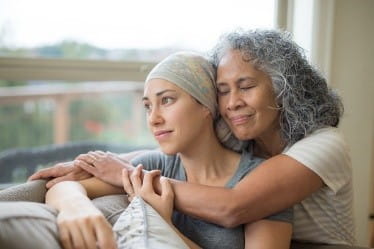
Black Americans have the highest death rates among all racial and ethnic groups for various cancers, with Black American women being twice as likely to receive a stomach cancer diagnosis and 2.3 times more likely to die from it compared to non-Hispanic white women.
By engaging in a clinical trial, Black women will have an opportunity to access potential treatments.
Clinical trials are the primary method for determining the safety and effectiveness of new treatments or preventive measures, such as medications, dietary plans, or medical devices. Frequently, these trials aim to establish whether a new treatment works better than existing ones or offers fewer adverse effects, which could greatly benefit many Black women who may be experiencing challenges in accessing adequate healthcare.
Despite efforts of inclusion, Black women tend to be missing from clinical trials. While there’s a lot of research on the limited involvement of Black women participating in clinical trials, there are many explanations detailing the reasons for the lack of participation of Black Women in clinical trials, but one might surprise you. The factors contributing to their underrepresentation are described as “more complex and multifaceted.”
Historically, Black Americans have faced barriers to participating in medical research, stemming from incidents like the Tuskegee Syphilis Study, which have fueled distrust in the medical system. Commonly, it has been shared that low participation for Black women in clinical trials comes from several factors, including social, economic, and structural factors, and communication and access issues. Although those issues may contribute to the lack of participation in clinical trials, it is not the sole reason.
RELATED: Why Black People Are Underrepresented in Clinical Trials
Contrary to popular belief, according to a recent report from health care communications agency GCI Health, Black women are not avoiding clinical trials solely due to mistrust or social and economic issues. They are simply not being asked to participate in trials.
Kianta Key, Group Senior Vice President and Head of Identity Experience at GCI Health, highlighted in the study, “We frequently encounter the notion that Black women are absent from clinical research due to being ‘hard-to-reach’ or hesitant to participate due to distrust of the medical system. However, our conversations with women revealed a more complex and nuanced perspective that warranted further investigation.”
The report draws on a recent survey of 500 Black women nationwide in the U.S. It reveals that although the majority (80 percent) are “open” to participating in clinical trials, 73 percent have never been approached to do so.

Given the chance, Black women could partake in trials and contribute to advancing diverse research for various diseases like breast cancer, thereby enhancing the broader scope of medical knowledge. As of 2024 data, Black women face a startling reality when it comes to breast cancer and are 42 percent more likely to die of breast cancer compared to their non-Hispanic white counterparts. Yet, they have the lowest participation rates in breast cancer trials primarily due to not being approached to be included.
Breast cancer has become the most prevalent cancer diagnosis among Black women, surpassing even lung cancer as the primary cause of cancer-related fatalities within this demographic, as reported by the American Cancer Society.
The survey also found that most women surveyed were positive to neutral about clinical trials, with 49 percent having positive to somewhat positive perceptions and 41 percent having neither a positive nor negative perception.
Participating in a clinical trial requires trust, effective communication, and being well-informed. Initiatives must be taken to ensure equitable access and representation in clinical trials to address the disparities faced by Black women in healthcare.
RELATED: Clinical Trials: What Black People Need to Know Before Participating
Encouraging Black women to participate in clinical trials will require a multifaceted approach that acknowledges and addresses the various barriers they may face. This involves providing culturally competent education and spreading awareness of clinical trials and various diseases.
Health care providers should invite Black women to participate in clinical studies and ensure accessibility and convenience through transportation assistance and flexible scheduling. Lastly, having a visible presence among research and medical staff may increase the likelihood of participation due to mistrust of the medical system. With these advancements, Black women can take an active role in their healthcare decisions and contribute to advancing medical research.


By subscribing, you consent to receive emails from BlackDoctor.com. You may unsubscribe at any time. Privacy Policy & Terms of Service.