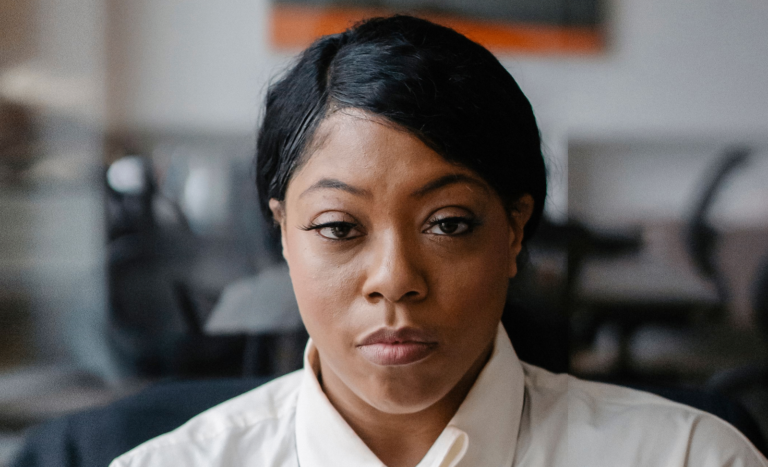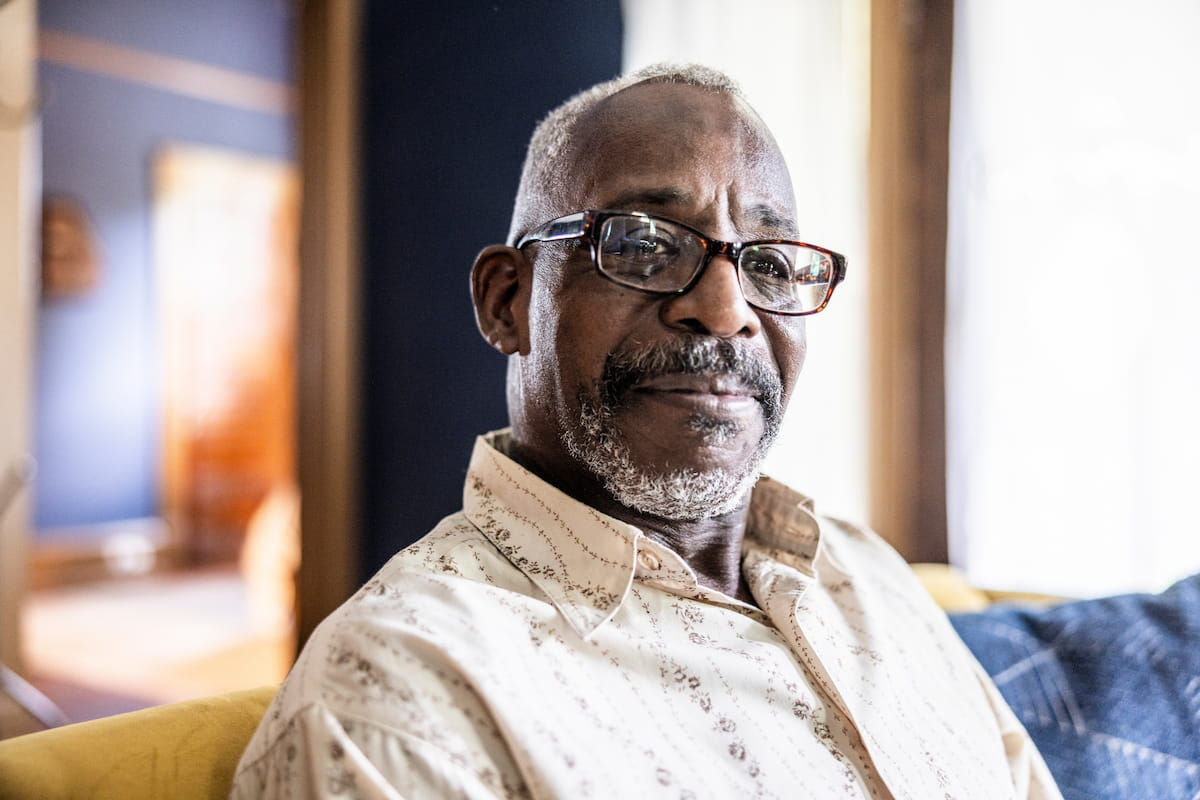
For many Black Americans living with diabetes, protecting your eyesight is just as important as managing your blood sugar. Black adults are disproportionately affected by type 2 diabetes and are more likely to experience serious complications, including diabetic eye disease. Diabetic macular edema is caused by the swelling of the macula (a small area in the back of your eye that helps you see what’s in front of you clearly). DME affects as many as one in 15 people with diabetes, according to the National Eye Institute (NEI). If you have diabetic macular edema (DME), you may notice that reading becomes more difficult, faces appear blurry, or everyday tasks like driving, working, or recognizing loved ones become increasingly challenging.
The sudden loss of one of the most valuable parts of your body can understandably cause depression as you notice that your ability to drive, read, manage your finances, and travel is becoming increasingly limited. But there’s good news: there are ways to slow the progression of diabetic macular edema before it gets worse.
High blood sugar increases your risk of blindness, according to the NEI. This is why it is extremely important to monitor your A1C, which is a measurement of your average blood sugar level over the past three months. You should aim for an A1C number that is under seven percent. However, if your A1C is routinely lower than six percent, you may need to consult with your doctor and be monitored for Blood glucose.
Everyone should see an eye doctor annually, but it is increasingly important for those living with diabetes and diabetic-related eye diseases such as DME.
After a DME diagnosis, you may need to go more frequently. How often you need to see your eye doctor depends on the progression of the disease and the status of your A1C.
If your A1C is too high and you have other lifestyle habits (smoking, for example) that speed up the symptom progression, then you may need to schedule a checkup once every few months, Daniel S. Casper, MD, PhD, an ophthalmologist at Columbia University Irving Medical Center in New York City, tells Everyday Health.
Regular exercise is key to improving your A1C level, lowering your blood sugar, and improving insulin sensitivity. According to research published in October 2021 in the journal Therapeutic Advances in Endocrinology and Metabolism, the best exercise for this is a combination of aerobic and resistance exercise. You should shoot for at least 150 minutes of moderate to vigorous physical activity and two days of weight training per week.
RELATED: 3 Ways Low-Vision Specialists Can Help Save Your Eyesight
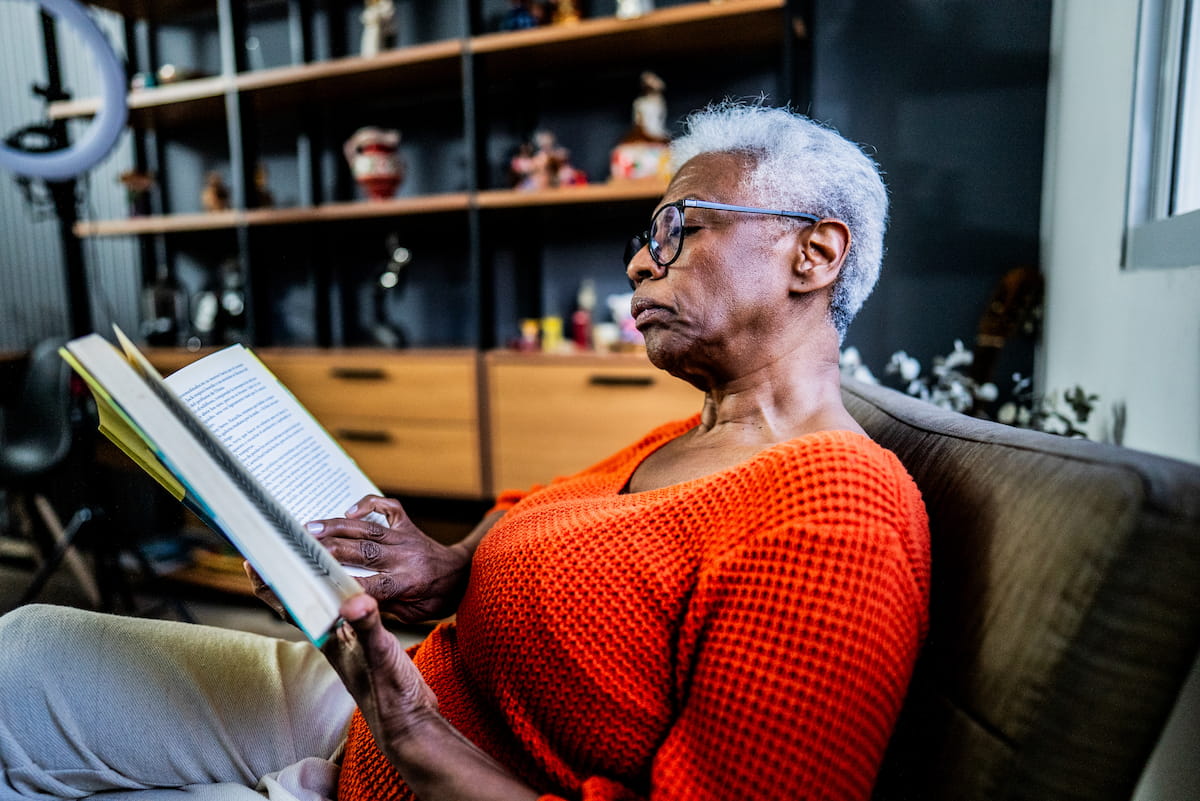
No surprise here. A healthy diet is essential if you are living with diabetes. A diet rich in vegetables, seeds and nuts is ideal for lowering your blood sugar levels, the American Diabetes Association notes.
A study published in December 2019 in the journal BMJ found that smoking increased the risk for DME in people with diabetes. What’s more, smokers who have diabetes are more likely than nonsmokers to have heart disease, kidney disease, retinopathy, and peripheral neuropathy. For help quitting, call 1-800-QUIT-NOW, according to the Centers for Disease Control and Prevention.
According to a study published in October 2019 in the International Journal of Ophthalmology, high blood pressure and cholesterol levels may worsen eye health in people with DME.
You should monitor your blood pressure regularly. The American Heart Association defines healthy blood pressure as less than 120/80.
It is also wise to talk to your doctor about your target cholesterol levels.
You don’t have to suffer alone. There are several tools that can help you manage your symptoms, improve your quality of life, keep you safe, and maintain your independence.
If you have DME, using low-vision aids — magnifying devices, special eyeglasses, telescopes — can help maximize your vision, according to the CDC.
As you can see, there are many things you can do now to take action and save your eyesight. If you have DME, it’s important not to delay treatment. By taking action right away, keeping up with your treatments, and regularly seeing an eye doctor, it’s possible to prevent further vision loss
Far too many Black Americans experience preventable vision loss because diabetes isn’t diagnosed early enough, blood sugar remains uncontrolled, or eye appointments are delayed. But it doesn’t have to be that way.
Your eyesight is more than just your ability to see. It’s your independence. It’s recognizing your grandchildren’s smiles, driving to church, reading your favorite book, succeeding at work, enjoying time with loved ones, and confidently navigating your community. Protecting your vision means protecting your quality of life.
If you’ve been diagnosed with diabetic macular edema—or you’ve been told you have diabetes but haven’t had a recent dilated eye exam—don’t wait until your vision gets worse. Talk with your healthcare provider and eye specialist about a treatment plan that’s right for you. Stay on top of your appointments, take your medications as prescribed, manage your blood sugar, and advocate for the care you deserve.
Remember: vision loss from DME isn’t always inevitable. With early detection, consistent treatment, and healthy lifestyle changes, many people can slow the progression of the disease and preserve the sight they depend on every day. Your future is worth protecting, and the steps you take today can help ensure you continue seeing the people, places, and moments that matter most.


By subscribing, you consent to receive emails from BlackDoctor.com. You may unsubscribe at any time. Privacy Policy & Terms of Service.