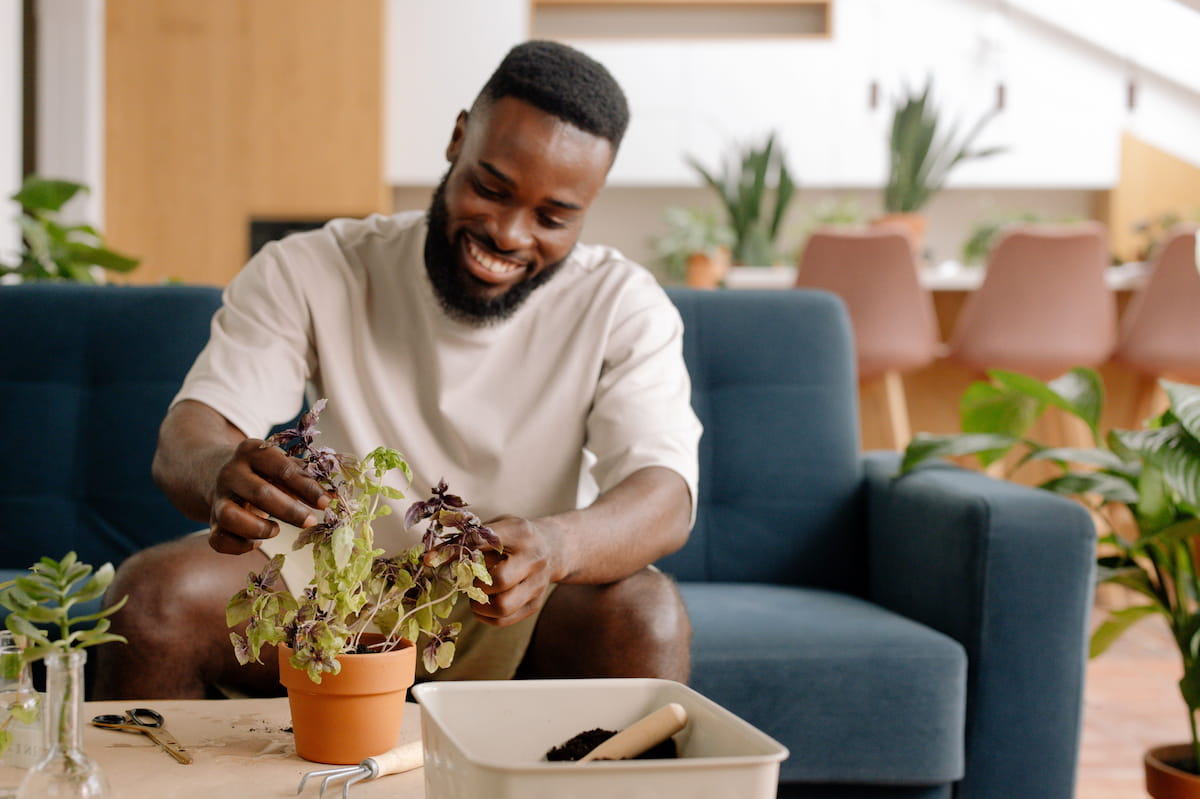
For many people, gardening is much more than a hobby. It’s a way to relieve stress, stay active, connect with nature, and experience the satisfaction of watching something grow. But when chronic back pain enters the picture, even simple tasks like pulling weeds, planting flowers, or watering vegetables can become difficult—or feel impossible.
If you’ve found yourself spending less time in the garden because of back pain, you’re not alone. Conditions such as arthritis, degenerative disc disease, spinal stenosis, sciatica, muscle strain, and chronic low back pain can make repetitive bending, lifting, kneeling, and twisting particularly challenging.
The good news is that you don’t necessarily have to give up gardening. In many cases, making a few adjustments to your tools, body mechanics, and schedule can help reduce strain while allowing you to continue doing something you love.
One of the biggest mistakes people make is trying to garden the same way they always have. Instead of forcing your body to adapt to the garden, consider adapting the garden to your body.
Raised garden beds are one of the most recommended modifications for people with back pain. By elevating plants higher off the ground, raised beds significantly reduce the amount of bending and kneeling required for planting, watering, pruning, and harvesting.
Container gardening is another excellent option because pots, elevated planters, vertical gardens, hanging baskets, and tiered planting systems allow you to work at a more comfortable height while creating beautiful outdoor spaces.
According to Arkansas Spine & Pain Center of Excellence, raised beds and elevated work surfaces are among the most effective ways to reduce spinal strain while gardening. If redesigning your entire garden isn’t practical, even adding a few elevated containers near a patio or deck can make gardening more accessible.
RELATED: 5 Moves To Reduce Back Pain & Build Strength [VIDEO]
The right tools can dramatically reduce the physical demands of gardening. Traditional garden tools often require awkward wrist positions, excessive gripping, or repeated bending. Hence, it helps to look for ergonomic tools designed specifically to reduce stress on your joints and spine. Helpful options include:
Long-handled tools deserve particular attention because they allow you to work while standing instead of repeatedly bending toward the ground.
The Arthritis Foundation also recommends selecting lightweight tools with padded handles to reduce strain on multiple joints, including the back, hands, and shoulders. While quality ergonomic tools may cost a bit more upfront, many gardeners find the investment worthwhile if it allows them to continue enjoying their favorite pastime.
How you move while gardening matters just as much as what you’re doing. Repeated bending from the waist places considerable stress on the lower back, so experts recommend bending at your hips and knees while keeping your back as neutral as possible.
Avoid twisting while lifting bags of soil, pots, or tools. Instead, turn your entire body by moving your feet, and when working close to the ground, alternate between different positions rather than staying in one posture for long periods.
Some helpful options include:
The Rutgers New Jersey Agricultural Experiment Station recommends maintaining a neutral spine and avoiding repetitive twisting movements to help reduce unnecessary stress on spinal structures. Small posture changes repeated throughout the day can significantly decrease discomfort.
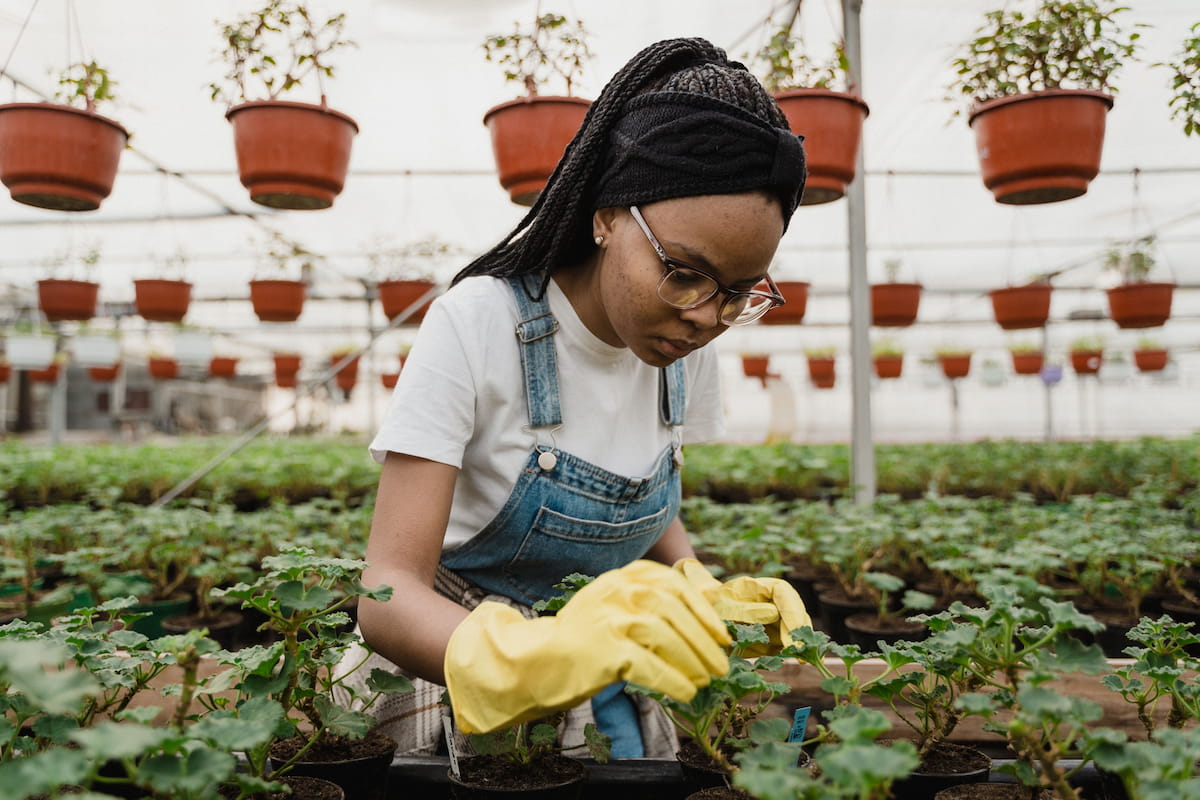
One of the biggest contributors to gardening-related pain flare-ups isn’t a single movement—it’s doing too much all at once. It’s easy to lose track of time while gardening, especially when you’re enjoying yourself, but unfortunately, your back often notices long before you do.
Rather than spending three or four uninterrupted hours outside, divide gardening into shorter sessions. Many physical therapists recommend working for about 20 to 30 minutes before taking a brief break to stretch, hydrate, or walk around.
This approach, sometimes called activity pacing, helps you balance activity and rest, reducing the chance of overdoing it and triggering a pain flare-up.
Remember: stopping before your pain becomes severe often means you’ll be able to return to gardening sooner.
RELATED: 15 Tips For Gardening Without Triggering Your Asthma
Heavy bags of mulch, soil, and fertilizer, as well as potted plants, are common causes of back injuries. Whenever possible, divide large loads into several shorter trips. Instead of carrying a heavy bag across the yard, use:
If you do need to lift something, follow proper lifting mechanics:
The National Institute for Occupational Safety and Health (NIOSH) emphasizes that keeping loads close to your body significantly reduces spinal stress during lifting. Never hesitate to ask for help with especially heavy items. Protecting your back today helps ensure you can continue gardening tomorrow.
Just as athletes warm up before exercise, gardeners benefit from preparing their muscles before getting to work. A brief five- to 10-minute stretching routine can improve flexibility and reduce muscle tension. Focus on stretching:
After gardening, spend a few minutes stretching again to help prevent stiffness later in the day. Walking around the yard for several minutes before sitting down can also reduce muscle tightness, and if your healthcare provider or physical therapist has prescribed specific back exercises, incorporate them into your gardening routine.
RELATED: 6 Benefits of Stretching Every Day
Pain serves a purpose. While mild muscle fatigue is normal after physical activity, sharp pain, numbness, tingling, or increasing weakness should never be ignored. If you notice your back becoming progressively more painful, take a break rather than pushing through.
Many chronic pain specialists recommend using a simple “pain scale,” and if your discomfort rises above your normal baseline, it may be time to stop for the day.
Continuing to work through severe pain often prolongs recovery and increases the likelihood of a flare-up. Learning your body’s limits isn’t giving up—it’s gardening sustainably.
Depending on your specific condition and comfort needs, certain tools and equipment may make gardening easier by reducing bending, lifting, or repetitive strain. Options some gardeners consider include:
Reducing repetitive lifting and carrying can significantly decrease strain over the course of an entire gardening season.
Technology can also help: automatic watering timers, battery-powered pruners, and lightweight cordless garden equipment can reduce repetitive physical effort while allowing you to enjoy gardening longer.
Sometimes the healthiest adjustment isn’t physical—it’s mental. Many lifelong gardeners struggle because they compare what they can do today with what they could do years ago, but gardening doesn’t have to look the same to remain meaningful.
Perhaps you transition from maintaining a one-acre vegetable garden to growing herbs on a patio. Maybe you replace heavy landscaping projects with colorful container gardens, or perhaps you spend more time planning your garden than digging in it.
These changes don’t diminish your passion. They allow your hobby to evolve alongside your body’s needs, because gardening is ultimately about nurturing life—not checking off a certain number of physical tasks.
RELATED: Gardening For Relieving Stress
Rest isn’t failure. In fact, learning when to pause and recover is an important part of managing chronic back pain. If you’re having a pain flare—when symptoms suddenly become worse than usual—consider using that time for lower-impact gardening activities such as:
Remaining connected to your hobby—even on difficult days—can help you stay engaged with something meaningful without pushing your body beyond its limits.
Living with chronic back pain doesn’t mean giving up the joy of gardening. While you may need to approach it differently than you once did, simple adaptations can make a meaningful difference.
Raised beds, ergonomic tools, proper body mechanics, pacing, and smart lifting techniques can all help reduce strain and lower the chance of aggravating existing pain. Just as importantly, listening to your body and permitting yourself to modify your routine can help you continue gardening safely for years to come.
Your garden doesn’t have to be perfect to bring you peace. Whether you’re tending a few pots on a balcony or harvesting vegetables from a backyard raised bed, every flower planted, weed pulled, or tomato picked is a reminder that chronic pain doesn’t have to take away the activities that bring you joy.


By subscribing, you consent to receive emails from BlackDoctor.com. You may unsubscribe at any time. Privacy Policy & Terms of Service.