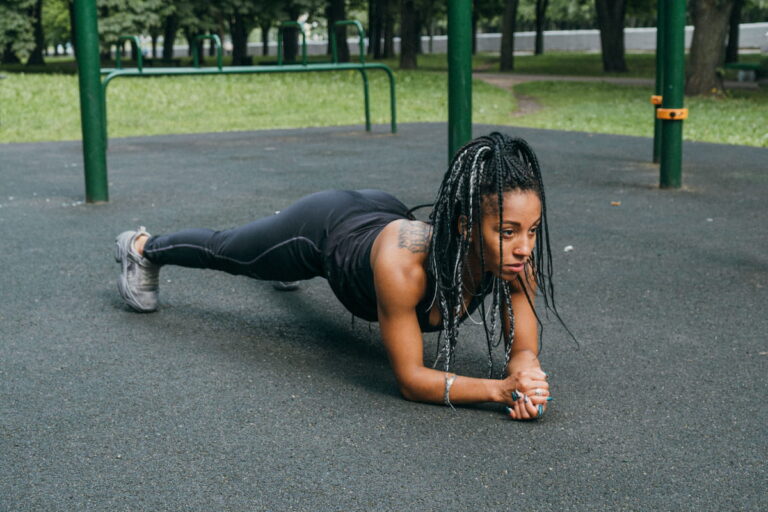
We all know we should stretch, but far too many of us overlook this and choose to get on to the “nitty gritty” instead – the exercise or the sports or the free running. But you may not be doing it because you don’t know how, when, or even why stretching is important.
Stretching is useful for both injury prevention and injury treatment. Additionally, it may increase flexibility of the neck, shoulders and upper back may improve respiratory function.
Here are a few reasons why it’s important to add stretching to your workout.
Why Stretch?
Although many coaches and exercise physiologists formerly recommended stretching before a workout — without regard for the type of stretching — warming up with the type of activity known as static stretches is now considered outdated, ineffective and even dangerous. Most experts now agree that static stretching can cause you to feel weaker and more fatigued; in addition, there is no evidence that pre-workout stretching prevents injuries. To prepare for a workout, the best policy is to perform dynamic stretches: light activity that raises your heart rate while readying your muscles for exercise.
After exercise, cool down and hold a given stretch only until you feel a slight pulling in the muscle, but no pain. As you hold the stretch the muscle will relax. As you feel less tension you can increase the stretch again until you feel the same slight pull. Hold this position until you feel no further increase.
If you do not seem to gain any range of motion using the above technique, you may consider holding the stretch longer (up to 60 seconds).
1. Extended Cone Stretch
Target: shoulders, arms, legs
To begin this stretch, start in the standing position with equal weight on both feet. Take a deep breath in, then exhale as you extend your arms out to the side and up into the air to meet above your head. With your hands over your head and feet planted firmly on the ground, take a deep inhale, and as you exhale, bend your body to the left side. Hold this position for a breath, and then go to center to inhale again, and exhale as you bend your body to the right side and hold for a breath. Repeat four times on each side for maximum benefit.
2. Upper Spinal Floor Twist
Target: Upper body, hips, back
Lie on your side with your knees and hips bent to 90 degree angles and your arms straight out in front of you. With the arm closer to the ceiling, reach up and then behind you, twisting your upper body but still keeping your knees stacked and pressed together. Hold this stretched position and breathe into your mid and lower back. Then, repeat on the opposite side. This helps your shoulders relax back into their proper position and can reduce the development of a hunchback.
1. C-Curve
Target: Lower Back
Sit on floor with knees bent, feet on floor about 12 inches in front of butt.
Interlace fingers behind hamstrings, pointing elbows out to sides.
Round back, tightening pelvic floor and pulling navel in toward spine; focus on…
…your belly button with jaw pulled in. Inhale through your nose.
As you exhale, draw navel in even tighter and lift left leg, pushing left heel toward wall in front of you while pulling back with pinkie toe; at the same time, push down on right foot (not shown).
Return to start and repeat.
Do 5 reps; switch sides and repeat.
2. Hamstring Stretch Series
Target: Hamstrings
Place a small folded towel behind your head and lie faceup on the floor with legs extended and feet flexed.
Bend right knee to chest and interlace fingers behind hamstrings as close to your groin as possible; gaze at your chest and keep your chin down, neck long (not shown).
Tighten the muscles of your pelvic floor and extend leg, pushing through the heel and contracting quads.
Return to start and repeat; do 5 reps.
Repeat, turning thigh outward (heel points in), for 5 reps.
Relax and repeat, turning thigh inward (heel points out, toes point in), for 5 reps.
Switch legs; repeat series for a total of 15 reps on each leg.


By subscribing, you consent to receive emails from BlackDoctor.com. You may unsubscribe at any time. Privacy Policy & Terms of Service.