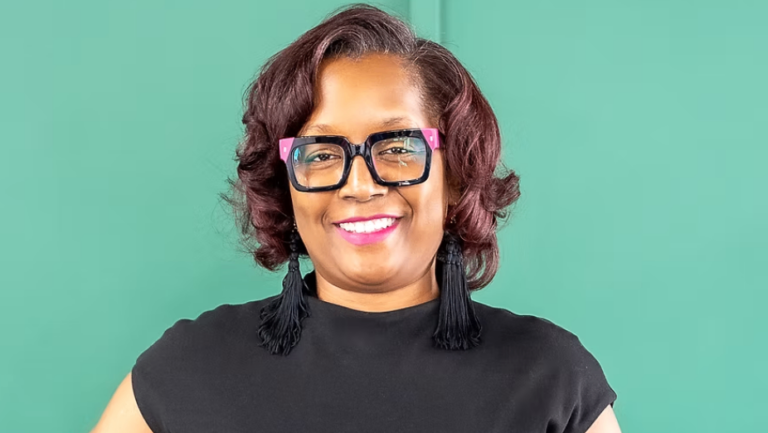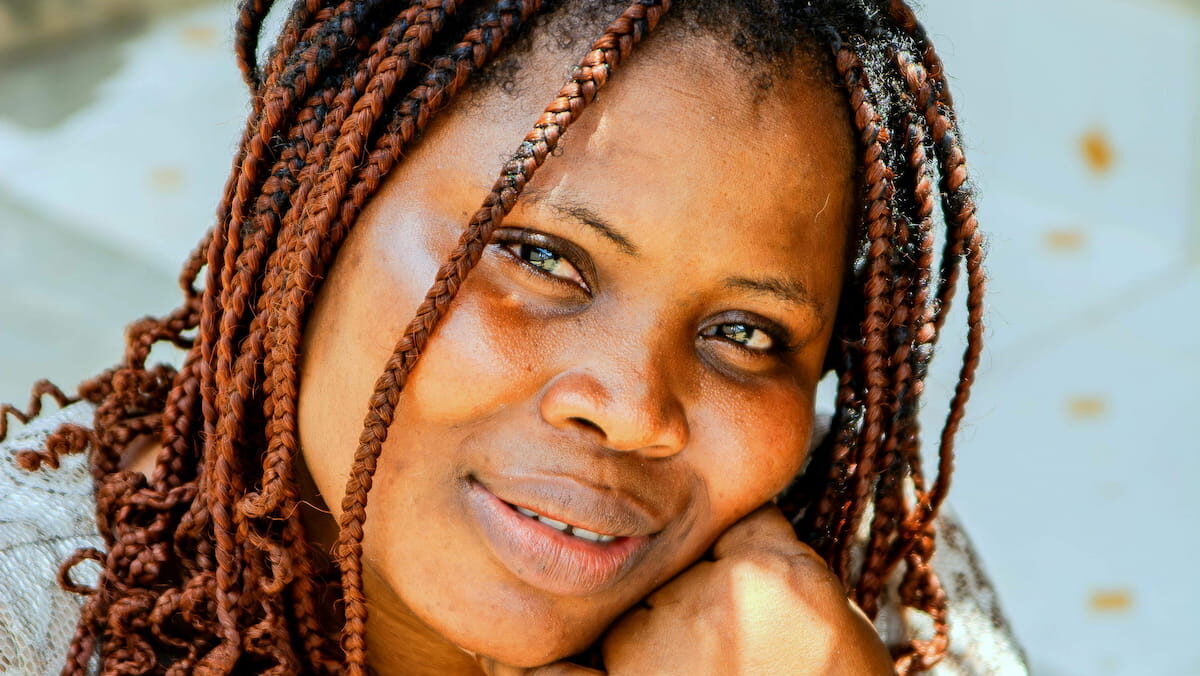
Black women are at a higher risk of stroke at a younger age than white women. High blood pressure, diabetes, and high cholesterol; pregnancy complications; and stress and lifestyle factors, more prevalent in Blacks, demand greater vigilance and crucial recognition. Beyond the standard B.E. F.A.S.T. acronym we all know—tracking (Balance, Eyesight, Face drooping, Arm weakness, and Speech), you have to look deeper. When every second counts, women must also be on high alert for those more subtle, “hidden” symptoms that don’t always make the headlines. These may seem “hidden”, leading to delays in important treatment and permanent health-changing results.
Women need to be aware of whether they have any of these symptoms listed below. This is especially true if one of the above exacerbating health conditions or risks is part of your medical history.
Seven less common symptoms of strokes that can occur in women include:
Black women, therefore, need to be aware of both.
Blacks, in general, could have strokes ten years earlier than whites. Black women in their 50s may have more than triple the risk of stroke compared with white women of the same age, according to the American Heart Association.
Ten years younger and three times as likely: these stroke statistics are hard to swallow. If you are a Black woman of a certain age, you may feel like you are a ticking time bomb. Don’t feel powerless, sis. See this as a wake-up call and a challenge to beat these statistics before it’s too late. There’s better news, however. Up to 80% of strokes, regardless of race, are preventable through healthy lifestyle changes, such as managing high blood pressure, diet, and exercise.
Here are some takeaways to help you become more informed and better equipped to become your best, healthiest self. Visualize yourself doing better and becoming healthier, and take action by eliminating unhealthy habits that no longer serve you. With a few changes, you’ll be able to improve your health outcomes across the health spectrum and lower your risk of stroke.
Is this you? If you are bypassing regular checkups to avoid tracking your blood pressure, cholesterol, and blood sugar levels, you might be living in a state of blissful ignorance—or perhaps denial. It’s easy to act as though remaining in the dark means there’s nothing wrong, but that’s a dangerous game to play with your health.
Did you grow up with one parent who didn’t trust doctors and hospitals, or was it a parent, guardian or family member who went to get checked out by the physician with the smallest chance to see if it was significant? Or was the person raising you a drinker, a smoker or a poor eater? Did you grow up watching one parent pass away far too soon while the other lived as a beacon of vitality, leading you to believe you can simply split the difference in their lifespans without making a single adjustment to your own habits? Logical or reasonable? No. More commonplace than many would admit? Yes.
Confronting your numbers often means facing a harsh medical reality: those digits might mean facing a diagnosis you’re not ready to hear. You may lack sufficient resources to address any adverse health outcomes your healthcare providers might identify. You may be unable to work with a healthcare provider to formulate a plan.
Five to ten minutes of face-to-face time with a healthcare provider might not foster a collaborative response or wellness-partnering relationship that you would like with whoever you have access to. This may also seem like it’s not what you can afford, but how can you afford not to?
Historically, your story with your healthcare provider may not have been ideal. They may have explained away (or minimized) the seriousness of your symptoms or even told you to wait and see if your less common symptoms go away.
They may have sent you away with a diagnosis of a new medical condition with little information to help you understand it, but with all the fear of the unknown that accompanies it. Perhaps you left the office with prescriptions for costly medications that your limited insurance barely touches—all to treat a condition they haven’t even fully confirmed. It feels like being handed a mounting financial burden for a “maybe” diagnosis, leaving you with a looming health crisis and no clear path to a resolution. They order labs (at a higher cost) and ask you to follow up with specialty appointments at distant offices to see specialists, since no one close to where you live treats what you have. Even if they did, you are without paid time off or sufficient sick leave to make it to an appointment.

You have limited coverage because it was the cheapest plan your employer offered, and you thought you were too young to get seriously sick when you chose it anyway. Even with basic, not comprehensive, healthcare, it still takes a big bite out of your paycheck. Your out-of-pocket costs may strain or break your budget. What you do have barely provides enough coverage to heal you when you most need this benefit, which is intended to care for your health.
It doesn’t excuse the unfortunateness or eliminate feelings of overwhelm when you are confronting circumstances where your numbers put you at risk for stroke. It does explain how your lived experience and limited health-care choices may have led to a mutually created medical mistrust that drives you to build expertise in finding more affordable over-the-counter products. This is how regular people’s problems (including if you are Black, female, and in your fifties) result in giving up before investing in being sick as a gateway experience before getting well.
RELATED: Surprising Early Signs of Stroke in Women
Are you a foodie with a sweet tooth? Or maybe you have a passion for all things salty, doughy, and fried? If either describes you, it doesn’t matter whether you are an excellent cook and eat well; you always leave space on your plate for unhealthy items. Try using less salt on your food and passing on fried foods that tempt you. Unhealthy food choices can be less intentional and more a default at mealtimes. Unhealthy or not, you put what you’re used to on your plate first.
Revamping your meals can make a difference, however. You still have a choice. You can adopt and stick with a responsible lifestyle change for better health in the long term, which helps with lowering the likelihood of a stroke as a result. Alternatively, you can maintain the comfortable status quo and continue eating your way to an early grave. Bon appétit!
Build in more movement if you have a sedentary lifestyle. This applies to you if the most movement you get is moving between rooms at home or playing the adult workplace version of musical chairs. It also applies if you finally arrive home after mostly sitting all day and then collapse on your living room couch in front of the TV. Lastly, the day is done when you get up, slide into bed, and repeat the same sloth cycle the next day.
If you are usually either sitting, sleeping, riding, or reclining, you need to move more! Dance in your living room. Mute the TV and walk in place during the commercials. Park farther away from the entrance of the places you go when you go out. Take the stairs when you have the option and the stamina. Stand doing chores when you can and pace while taking calls. Get a dog and walk it. Consider these options as you take one meaningful step at a time closer to stroke risk prevention.
Everyone could do better in this area. Whether it is through exercise, speaking with a therapist, or a hobby you enjoy that takes your mind off your stressors, these can all help relieve stress. If drinking and smoking are your stress relief, try to stop both and replace them with healthier activities.
Be the resident expert on your health status and advocate for yourself while you can. Plan how to notify providers and loved ones when things change so you can get timely, necessary treatment.
Stroke is serious. Black women may present differently and earlier, but still need to be taken seriously, not misdiagnosed or not seen as a priority. If those entrusted with your care fail to act F.A.S.T. in the face of classic warning signs, early-onset symptoms, or those subtle, gender-specific “hidden” indicators, the resulting delay in treatment could be detrimental.
Hopefully, you’ll never have a stroke. Be vigilant in stroke risk prevention. Be aware of all of the warning signs of stroke that apply to you. Know what lifestyle changes you can make to lower your risk of stroke. Make the necessary changes and keep making them, especially if you are a Black woman in your 50s. These preventive actions can save your life.
By subscribing, you consent to receive emails from BlackDoctor.com. You may unsubscribe at any time. Privacy Policy & Terms of Service.