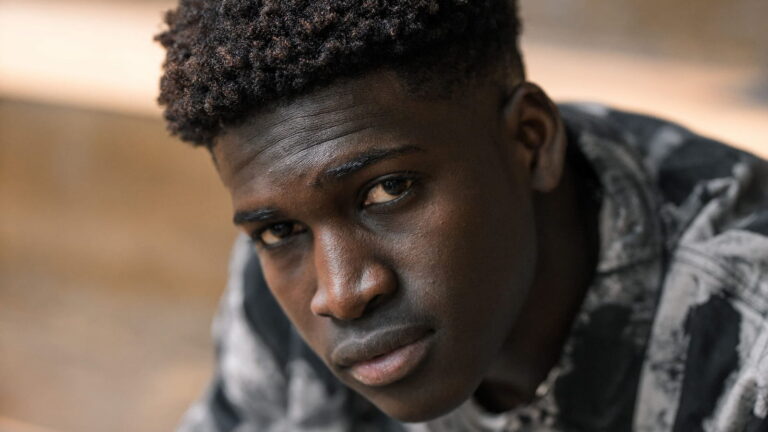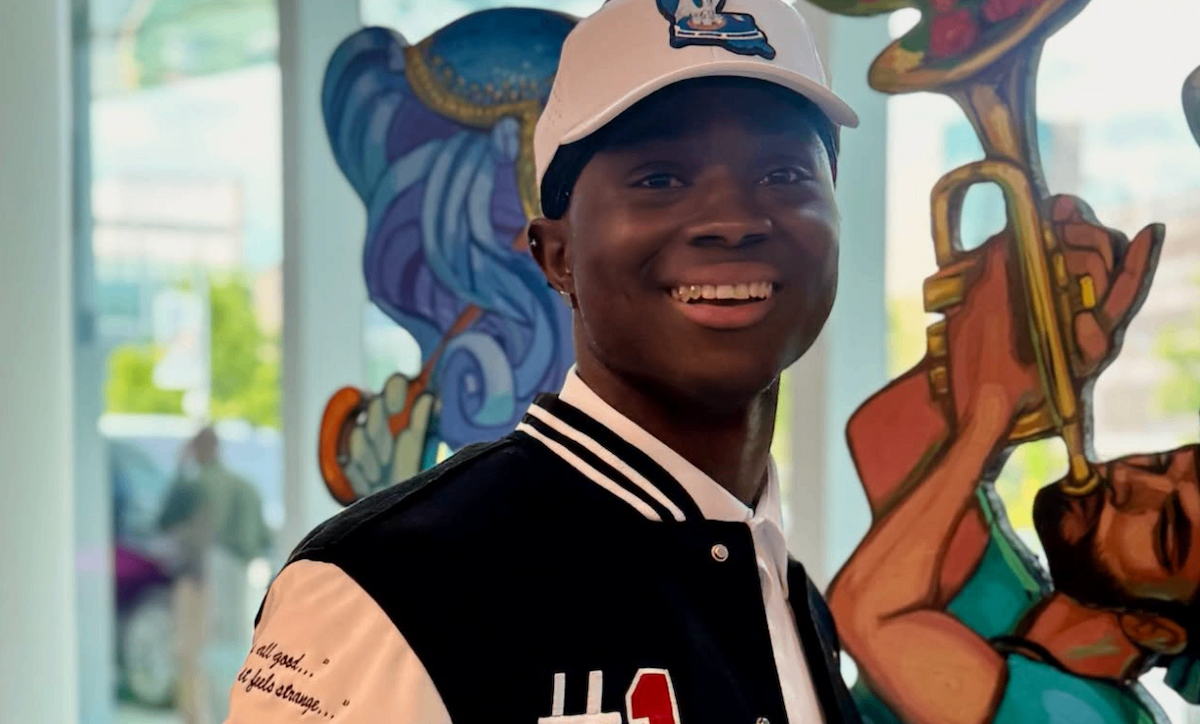
Daniel Cressy just became Louisiana’s first gene therapy patient for sickle cell — and his next stop is the cockpit.
Imagine spending your whole life chasing a dream that a disease keeps trying to take from you.
That’s the story Daniel Cressy has been living. The 23-year-old from Metairie, Louisiana, was diagnosed with sickle cell disease as a baby. He grew up managing pain episodes, hospital stays, and all the things the disease quietly steals — the ordinary days, the plans you make, the version of yourself you’re trying to become.
There were emergency room visits that came out of nowhere. Days that started normal and ended in a hospital bed. Milestones missed. Time that belonged to him, rerouted. For a lot of young people living with sickle cell, that becomes the whole story — a life lived around the disease instead of through it.
But Daniel never stopped becoming.
He decided early that sickle cell disease would not be the loudest thing about him. He took care of himself. He stayed focused. And he held onto a dream that, from the outside, might have looked a little out of reach: he wanted to fly commercial planes.
Then came the news that the FAA wouldn’t clear him because of his diagnosis.
Most people would have let the dream go. Daniel appealed.
RELATED: Sickle Cell Disease and Blood Transfusion: What You Should Know
When Daniel went back to the FAA to ask if there was any path forward, they gave him one: cure the disease. Come back when you do.
So he began a unique patient journey and started paying close attention to the science. Gene editing had just been approved for clinical trials, and Daniel was tracking every development. When Manning Family Children’s Hospital in New Orleans received approval to offer gene therapy for sickle cell disease, Daniel was already at the door — already in conversation with his doctors about what was possible.
What followed was more than two years of preparation, patience, and pure belief. In late 2025, his cells were collected from his body and sent to Scotland — yes, Scotland — where they were genetically modified in a lab. They came back to New Orleans in March 2026. Daniel was admitted to the hospital’s Center for Cancer and Blood Disorders, where he received chemotherapy to wipe out his sickled cells. On March 18, his newly modified cells were infused back into his body.
Then he waited.
After about a month of careful inpatient monitoring, he was discharged in mid-April to continue his recovery as an outpatient. Three months later, his hemoglobin levels are the highest they have ever been in his entire life.
On June 22, 2026, surrounded by his care team, his family, Louisiana’s governor, the city’s mayor, and a second-line band that filled the hallways, Daniel Cressy rang the bell.
He is the first sickle cell gene therapy patient in Louisiana. The first in the entire Gulf South.
RELATED: “I Have Sickle Cell. Sickle Cell Doesn’t Have Me”
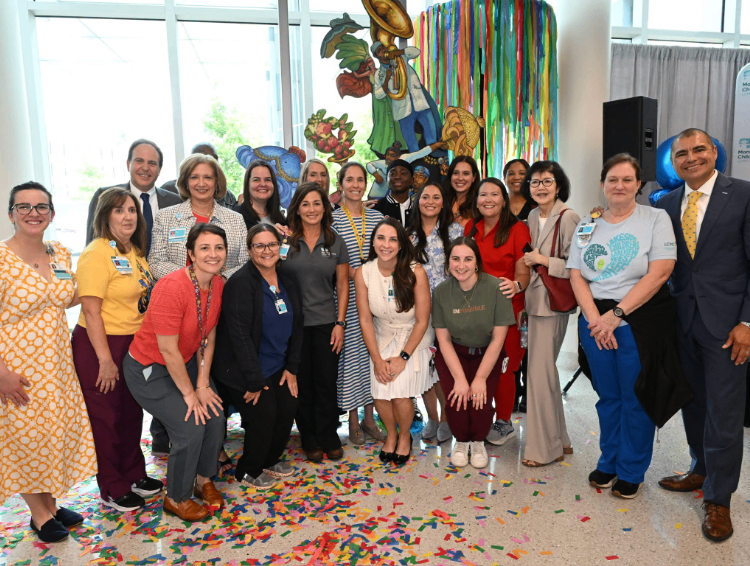
If you’ve ever seen a bell-ringing at a hospital — when a patient finishes cancer treatment, or crosses a major milestone — you know what that room feels like. It’s equal parts joy and release. Relief and triumph. The kind of moment where everyone in the building stops what they’re doing because something sacred just happened.
That’s the energy Daniel brought to June 22.
He called this next chapter “Life 2” — and he meant it. His hemoglobin levels are now the highest they’ve ever been. He’s working toward his first-class medical certification. The cockpit is no longer a dream deferred…it’s a plan.
“I feel like God chose me to be the first one in the state because my story, once I do finally become a commercial pilot, is going to be inspirational for a lot of people,” Daniel said. “Overcoming what seemed impossible became my greatest blessing. While many spend their lives searching for purpose, mine found me. Now, instead of looking for meaning, I can spend my life fulfilling it.”
RELATED: 8 Ways to Live Your Best Life With Sickle Cell
Sickle cell disease is the most common genetic blood disorder in the world — and it hits Black Americans hardest, according to the U.S. Centers for Disease Control and Prevention (CDC). Louisiana has more cases per capita than any other state in the country, according to the Louisiana Department of Health. For generations, families have managed this diagnosis with limited treatment options, frequent hospitalizations, and the quiet grief of watching someone you love plan their life around a disease.
The treatment Daniel received uses CRISPR technology to modify a patient’s stem cells so they produce more fetal hemoglobin, which prevents red blood cells from taking on that damaging sickle shape. The result, for qualifying patients, is what doctors are calling a functional cure.
Manning Family Children’s is one of only a handful of programs in the entire country offering both FDA-approved gene-editing technologies for sickle cell — in partnership with LSU Health New Orleans and Tulane University School of Medicine.
That means families in Louisiana and across the Gulf South no longer have to travel across the country for access to this level of care.
Daniel’s bell-ringing isn’t just a personal victory — it’s a signal to every family sitting in a hematology waiting room right now. The science has moved. The outcomes are real. And one young man from Louisiana just proved that a functional cure isn’t just possible — it’s happening.
He’s not just going to fly. He’s already soaring.
Originally reported by Manning Family Children’s Hospital. Read the original story at manningchildrens.org.
For more information on sickle cell disease and treatment options, visit the Sickle Cell Disease Association of America at sicklecelldisease.org.
By subscribing, you consent to receive emails from BlackDoctor.com. You may unsubscribe at any time. Privacy Policy & Terms of Service.