After surviving cancer, health becomes more than a goal—it becomes a mission. Many survivors are eager to reclaim their strength, rebuild their stamina, and take steps to prevent recurrence. But getting back in shape after chemotherapy isn’t just about hitting the gym or eating a salad. It’s about making smart, consistent choices around movement, nutrition, and mental resilience.
Physical activity is one of the most powerful tools a cancer survivor has. According to Kerry Courneya, PhD, professor and Canada Research Chair in Physical Activity and Cancer at the University of Alberta, “Several recent studies suggest that higher levels of physical activity are associated with a reduced risk of the cancer coming back, and a longer survival after a cancer diagnosis.”
But what does exercise for chemotherapy patients actually look like?
It doesn’t mean jumping straight into high-intensity workouts. In fact, the best approach is gentle, progressive movement. Walking, yoga, stretching, and light resistance training are all great ways to reintroduce activity without overwhelming the body.
Chemotherapy can leave patients with side effects such as fatigue, muscle loss, and neuropathy. Starting slow is key. If you were active before treatment, you might be eager to return to your old routine, but patience is crucial.
Top beginner-friendly exercises post-chemo:
Walking (start with 10–15 minutes per day)
Seated strength training with resistance bands
Yoga or tai chi for balance and flexibility
Swimming or aquatic aerobics for low-impact conditioning
Even five minutes a day can make a difference. Over time, small gains add up, leading to better energy levels, improved mood, and increased physical function.

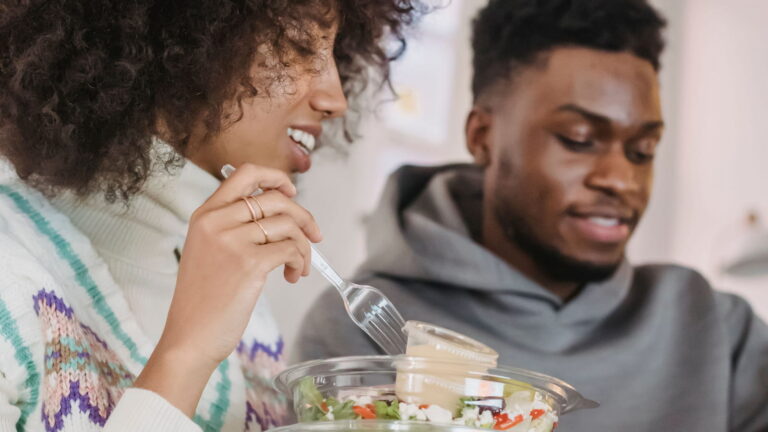
Just as important as movement is the food you put in your body. After chemo, your immune system is still in recovery mode. That’s why nutrition needs to be both supportive and strategic.
Let’s start with the basics: foods to avoid while on chemo or right after treatment.
RELATED: 10 Actions Every Chemotherapy Patient Should Take
Raw or undercooked meats and seafood
Unpasteurized dairy products
Raw sprouts (e.g., alfalfa)
Soft cheeses that may harbor bacteria
Sugary or highly processed snacks
Alcohol and energy drinks
These items can increase the risk of infection or interfere with healing. Even after treatment ends, your immune system may be vulnerable, so caution is still warranted.
Leafy greens like spinach and kale
Bright-colored fruits such as berries and oranges (vitamin C-rich)
Garlic, turmeric, and ginger (anti-inflammatory)
Probiotic-rich foods like yogurt (yes, is Chobani good for cancer patients?—it often is, if it’s pasteurized and low in sugar)
Lean proteins such as chicken, tofu, or eggs
Whole grains like oats and brown rice
High-calorie, high-protein foods are also important, especially if you’ve lost weight during treatment. Think nut butters, smoothies, avocado, and full-fat Greek yogurt. Many patients ask: can I eat pizza during chemo? The answer depends—homemade or carefully prepared pizza can be fine, especially if it includes clean ingredients and is fully cooked.
Supplemental drinks like Ensure can also help. You may wonder: is Ensure good for cancer patients? In many cases, yes. It’s often used to fill nutritional gaps and maintain weight, but check with your care provider to confirm it’s right for your needs.

Not all post-treatment challenges are the same. Some cancer patients undergo immunotherapy, which has its own set of side effects. People often search for immunotherapy side effects for cancer patients, and for good reason—these treatments can lead to fatigue, inflammation, hormone issues, and more.
Whether you’ve had chemo, radiation, or immunotherapy, your recovery path is unique. Work closely with your oncologist or survivorship team to monitor symptoms and adapt your plan.
RELATED: Chemotherapy Side Effects & Management
Getting healthy again doesn’t just mean eating and exercising—it also means navigating life logistics. One question many survivors face is: can you work while on chemotherapy or just after?
The Cancer Disability Act (referring broadly to protections like the ADA in the U.S.) helps cancer patients and survivors retain their jobs, request accommodations, and avoid discrimination. If you’re planning a return to work, know your rights. Depending on your condition, you may be entitled to:
Flexible work hours
Remote work options
Reduced workloads during recovery
Additional leave under FMLA or similar laws
Fatigue, body image changes, and fear of recurrence are real. You’re not alone, and you don’t have to go through recovery solo. Look for organizations that help cancer patients with:
Free counseling
Financial assistance
Wellness programs
Nutrition education
Peer support groups
There’s also a growing awareness of how positive messaging can help. Many survivors find comfort in wearing shirts or accessories with affirmations, like “stand up for cancer” shirts, which help foster a sense of identity and resilience.
Recovering from chemotherapy isn’t a straight line. Some days will be harder than others, but each small step—each nutritious meal, each short walk, each moment of rest—builds momentum.
Whether you’re figuring out what foods to avoid during radiation, how to boost your immune system during chemo, or simply deciding how to move your body again, the most important thing is this: show up for yourself daily.
You’ve survived cancer. Now it’s time to thrive.


By subscribing, you consent to receive emails from BlackDoctor.com. You may unsubscribe at any time. Privacy Policy & Terms of Service.