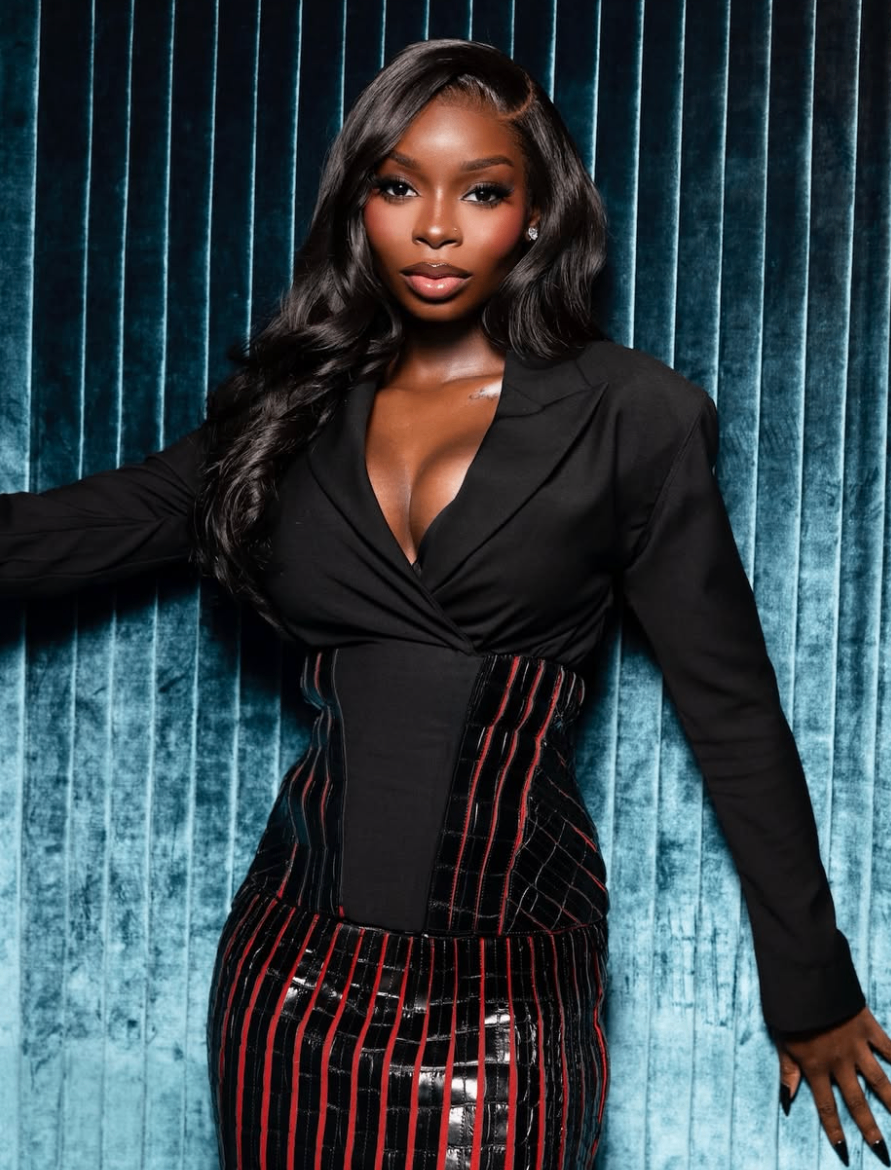
When Olandria Carthen walked out of the Love Island USA villa, she didn’t just come home to millions of new followers; she came home to millions of people who thought they knew her.
And not all of them liked what they thought they knew.
Speaking at the Create & Cultivate Festival in Los Angeles over the weekend, Carthen opened up about how difficult that transition was, revealing that the online hate she received after the show took a serious toll on her mental health.
“Transparently, I fell into a mini depression,” Carthen told the audience.
For Carthen, the shift from being a young woman from Decatur, Alabama, to a reality TV star was especially jarring because the life she’d known before Love Island looked nothing like the one waiting for her when she got her phone back.
“Coming up, I was always sheltered,” she explained. “I was always sheltered by my mom, and I always had kind of like a soft life, but it was very private.”
Suddenly, private was no longer an option.
“Being torn apart in every way you can imagine on the internet, and everyone is knowing—well, thinking they know—so much about you, and all these different narratives are flying around, it’s like, ‘Oh my gosh, how can I fix this chaotic mess? How can I change the narrative here?’”
It’s a very real description of something that has followed Carthen since she became one of the breakout stars of Love Island USA Season 7, which began airing in June 2025.
What happens when millions of strangers gain access to your life at once, and their version of you begins competing with your own?
RELATED: 10 Ways Social Media Boundaries Can Protect Your Mental Health
Carthen has been talking about the darker side of her newfound fame almost since she left the villa.
During the show and afterward, Carthen and fellow contestant Chelley Bissainthe were repeatedly called “mean girls” online. Both women pushed back against that characterization and questioned whether their behavior was being interpreted through stereotypes frequently applied to Black women.
“The world always tries to label us as ‘angry Black women,’” Carthen told Cosmopolitan in 2025. “They use a moment of weakness and make that one specific time our whole character.”
Carthen also told Keke Palmer that she sometimes felt she and Bissainthe had to “tone down” their reactions because showing the same emotions as other contestants could be interpreted differently coming from them.
“It’s very exhausting to say the least,” she said.
Some of the attacks went much further than criticism of what happened on a reality show.
During the Love Island USA Season 7 reunion, Carthen became emotional while describing racist harassment she had received online, including an image that placed her face on George Floyd’s body.
“It was that bad,” she said of the harassment. “That shit hurts.”
Her comments at Create & Cultivate put those earlier moments into sharper context.
“When I came back, when I got my phone back, I was depressed,” Carthen said.
RELATED: What Depression Looks Like in High-Functioning Black Women
There’s a revealing little correction in Carthen’s latest comments.
She starts to say that everyone online was “knowing” so much about her…and then catches herself.
“Well, thinking they know.”
Social media can create an unusual kind of intimacy. We watch someone’s relationship unfold, hear about their family, see what they’re wearing and where they’re traveling, and eventually it can feel as though we know them.
But watching someone’s life isn’t the same as knowing them.
For Carthen, the pressure didn’t come only from people criticizing her. She also felt strongly about correcting what they believed about her.
“How can I change the narrative here?” she remembered thinking.
In a June 2026 Cosmopolitan interview, Carthen described leaving the Love Island villa and encountering what she called one of the biggest “hate trains” she could have imagined. She also connected some of the treatment she received to the way dark-skinned Black women are treated online.
“Dark-skinned Black women are dragged in the media all the time, and no one comes to the rescue,” she said. “They always have to advocate for themselves because no one feels like they’re important enough to do that for them.”
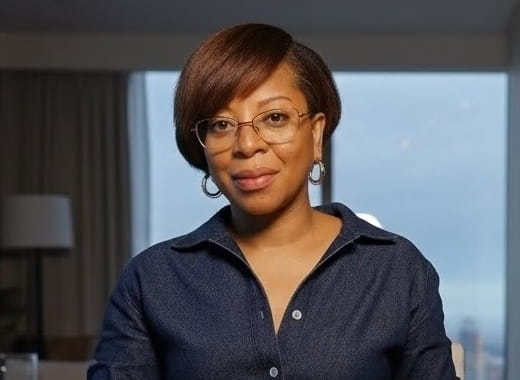
Olandria Carthen
That context makes Carthen’s experience about more than the familiar warning that fame comes with criticism.
She has repeatedly described navigating not only sudden celebrity, but racialized assumptions about who she is—whether she was being characterized as angry or a bully or targeted with explicitly racist imagery.
Behind all of those opinions was a 27-year-old woman trying to adjust to millions of people suddenly having something to say about her.
RELATED: “I Kept Getting Dismissed”: How Black Women Can Push for Answers
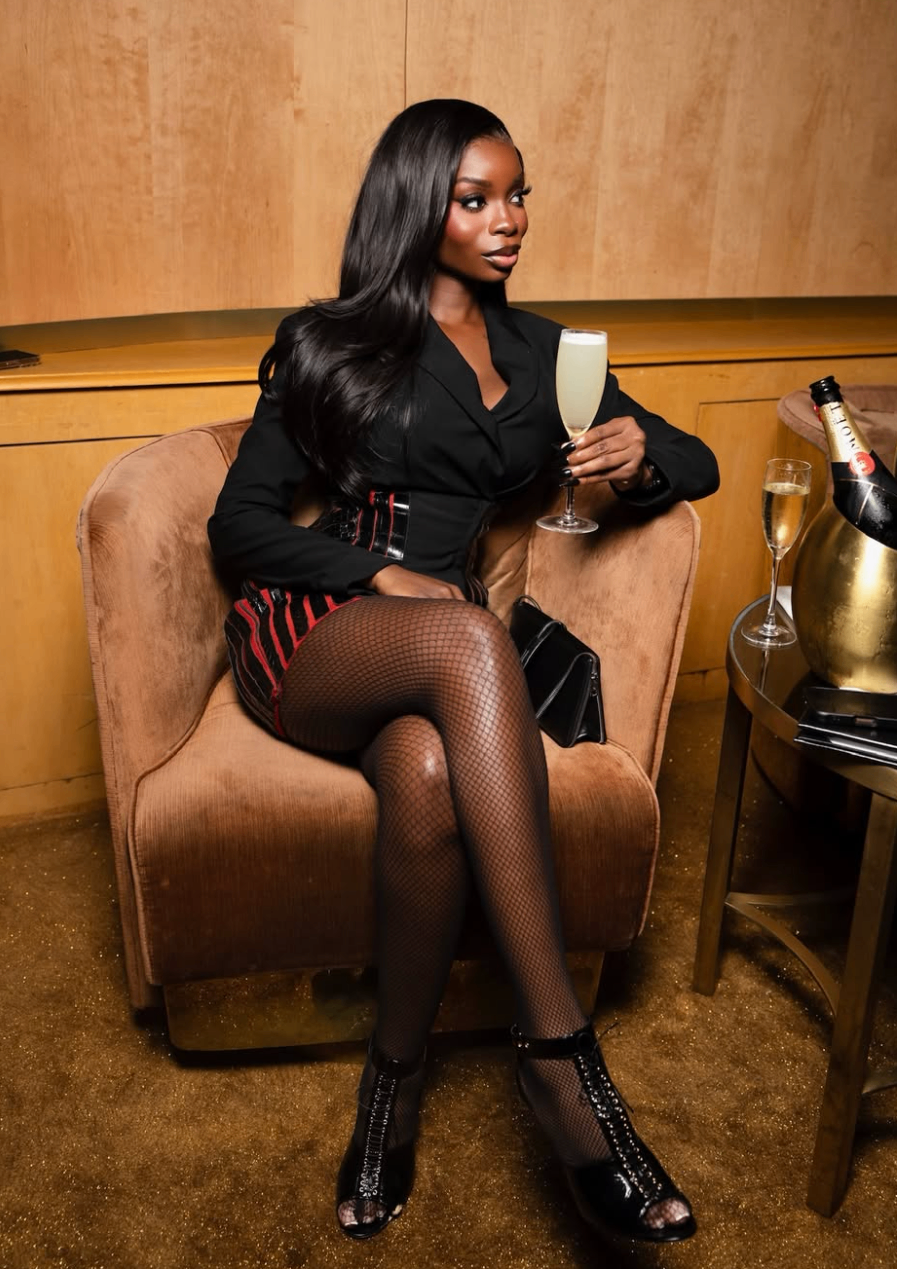
Carthen’s story doesn’t end with getting her phone back. (The cast was not allowed to have their cell phones while taping the show.)
At the Create & Cultivate festival, she also talked about what she did next.
“I just knew that I had to be intentional from day one,” she said.
That included leaving the security of her previous job, a decision she admitted scared her.
“The minute I quit my job, I was devastated,” she said. “That was a guaranteed check every two weeks. I’m like, ‘What am I gonna do now?’”
Carthen said she lived off her savings while figuring out what came next, and she eventually decided the platform she’d been given needed a purpose beyond fame.
“You have a platform, something that you shouldn’t take lightly,” she recalled telling herself.
For Carthen, that purpose includes building generational wealth, growing her brand, and encouraging education, an issue she told the audience will “always be a part of my brand.”
She’s also been deliberately changing the story being told about her.
“Those ones that was raising their voices to say the most nasty things are now supporting me,” Carthen said. “It’s like I’m changing the narrative day by day, panel by panel.”
RELATED: 6 Habits of the Happy Black Woman
There is something worth sitting with in Carthen’s story, even if you’ve never been on television and don’t have millions of people dissecting your life.
Most of us know what it feels like to be misunderstood.
And social media gives us endless opportunities to see what other people think about us, and just as many chances to try to correct them.
But protecting your mental health can sometimes mean resisting that impulse.
You don’t have to answer every comment, correct every assumption, defend yourself in every conversation, or give people more access to you simply because they’re curious.
Carthen previously talked about becoming more protective of her relationship and recognizing that the people who first met her on television may want more access than she’s willing to give them.
She’s also spoken about returning to the things that grounded her before Love Island: family and friends, working out, journaling, and taking walks.
And if being online is affecting your wellness — your mood, sleep, self-esteem, relationships, or ability to function in your everyday life — stepping away from the screen may not be enough. Talking with a mental health professional can help you sort through what you’re experiencing and determine what support you need.
Carthen can’t control every story strangers tell about her, but she seems determined to control the one she tells about herself.
“I can honestly say that I have been [intentional],” she told the Create & Cultivate audience. “And I really do appreciate you guys for always supporting me and standing 10 toes behind me through thick and thin.”
Then she gave a shout-out to the fans who’ve stayed with her through all of it:
“Shout-out to my Ola Dolls. I love you guys.”

By subscribing, you consent to receive emails from BlackDoctor.com. You may unsubscribe at any time. Privacy Policy & Terms of Service.