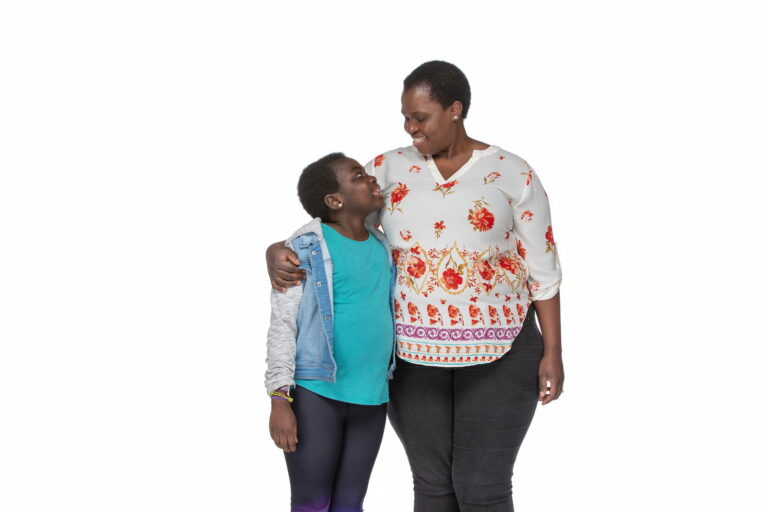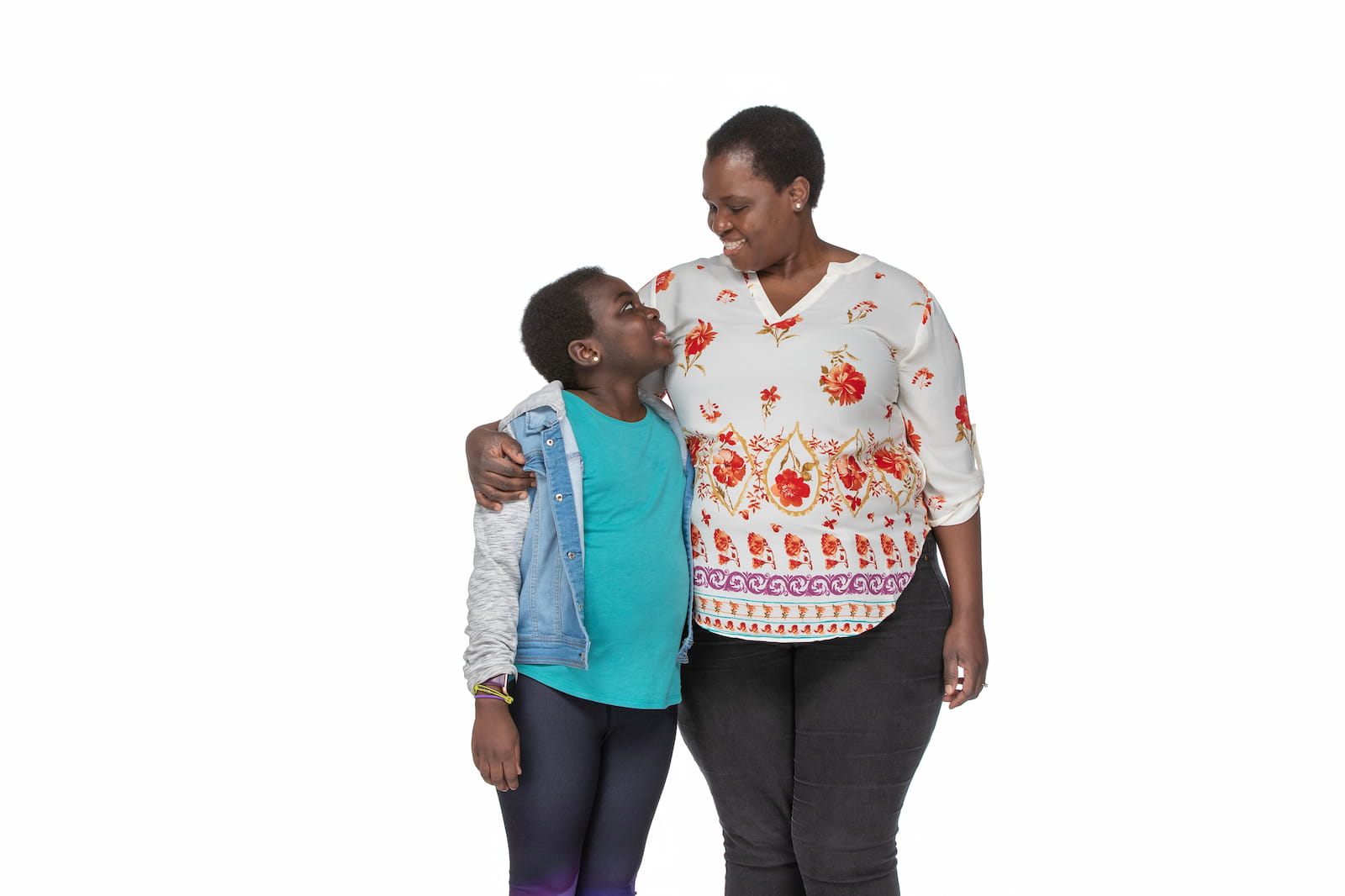
A few years ago, Avery’s parents had the same fears any parent with a child living with sickle cell disease has felt: How will my child feel? Will she be in pain?
Diagnosed as an infant shortly after birth, Avery experienced many painful crises during her early years. As she grew older, the crises continued to affect her daily life, often keeping her from everyday experiences like school trips.
In fact, Avery’s mom, Valentine, remembers the day of her daughter’s kindergarten field trip to the zoo. Avery woke up early and excited for the adventure with her friends. A few hours later, everything changed.
Her teacher called and said Avery was in severe pain. Valentine picked her up and took her home.
“She cried all the way home, and it broke my heart,” Valentine recalled.
Valentine gave her pain medication at home, but painful episodes were a recurring part of Avery’s childhood. Long hospital stays eventually meant spending several holidays, including Christmas and New Year’s, in the hospital.
Throughout her life, Avery received IV fluids, blood transfusions and strong pain medications like morphine to manage the symptoms of sickle cell disease, a group of blood disorders that affect hemoglobin in red blood cells and can prevent blood from flowing normally through the body.
According to Texas Children’s, bone marrow is a sponge-like tissue found inside the bones. It functions like a factory for the body, producing blood cells from stem cells, including red blood cells, platelets and white blood cells.
For people with sickle cell disease, bone marrow stem cells produce abnormal red blood cells containing defective sickle hemoglobin. A bone marrow transplant, also called a stem cell transplant, replaces the blood-forming stem cells that produce those abnormal cells with healthy stem cells from a closely matched donor.
For a child with sickle cell disease, the transplant process typically begins with chemotherapy to make space in the bone marrow for the healthy stem cells. The donated cells are then given through a vein, similar to a blood transfusion. Unlike some other procedures, a bone marrow transplant generally does not involve surgery for the child receiving the transplant.
RELATED: ‘I Have Sickle Cell. Sickle Cell Doesn’t Have Me’: How Two Sisters Are Learning to Live with SCD

Avery’s journey took a turn for the better in 2023 when she was referred to St. Jude Children’s Research Hospital® in Memphis, Tennessee, for a bone marrow transplant through a St. Jude clinical trial called SCDHCT.
Avery received her transplant using healthy bone marrow cells from one of her older sisters. For a sibling donor, Texas Children’s notes that healthy stem cells can be collected from the bloodstream through a process called a stem cell harvest. The donor receives medication to encourage stem cells to move into the blood, which is then drawn through a vein. A machine separates the stem cells from the blood before returning the remaining blood to the donor.
In some cases, stem cells can also be collected directly from the pelvic bone while the donor is under anesthesia. Stored stem cells from a sibling’s umbilical cord may also be an option when they are available.
Following her transplant, Avery received blood and platelet transfusions to support her body until her new bone marrow could begin making blood cells.
The clinical trial was testing a different approach to preparing patients for transplant, with the hope of finding an approach that would be effective while causing fewer side effects.
A bone marrow transplant can offer children with sickle cell disease a chance at a life without the disease, but it is not without risks.
After healthy stem cells are infused into the bloodstream, it can take several weeks for them to grow and begin producing new blood cells. During this period, children may need to remain in the hospital and are at risk for complications such as infection and bleeding.
In some cases, a transplant may fail, which can lead to sickle cell disease returning. There are also other potential risks, which families should discuss in detail with their child’s medical team.
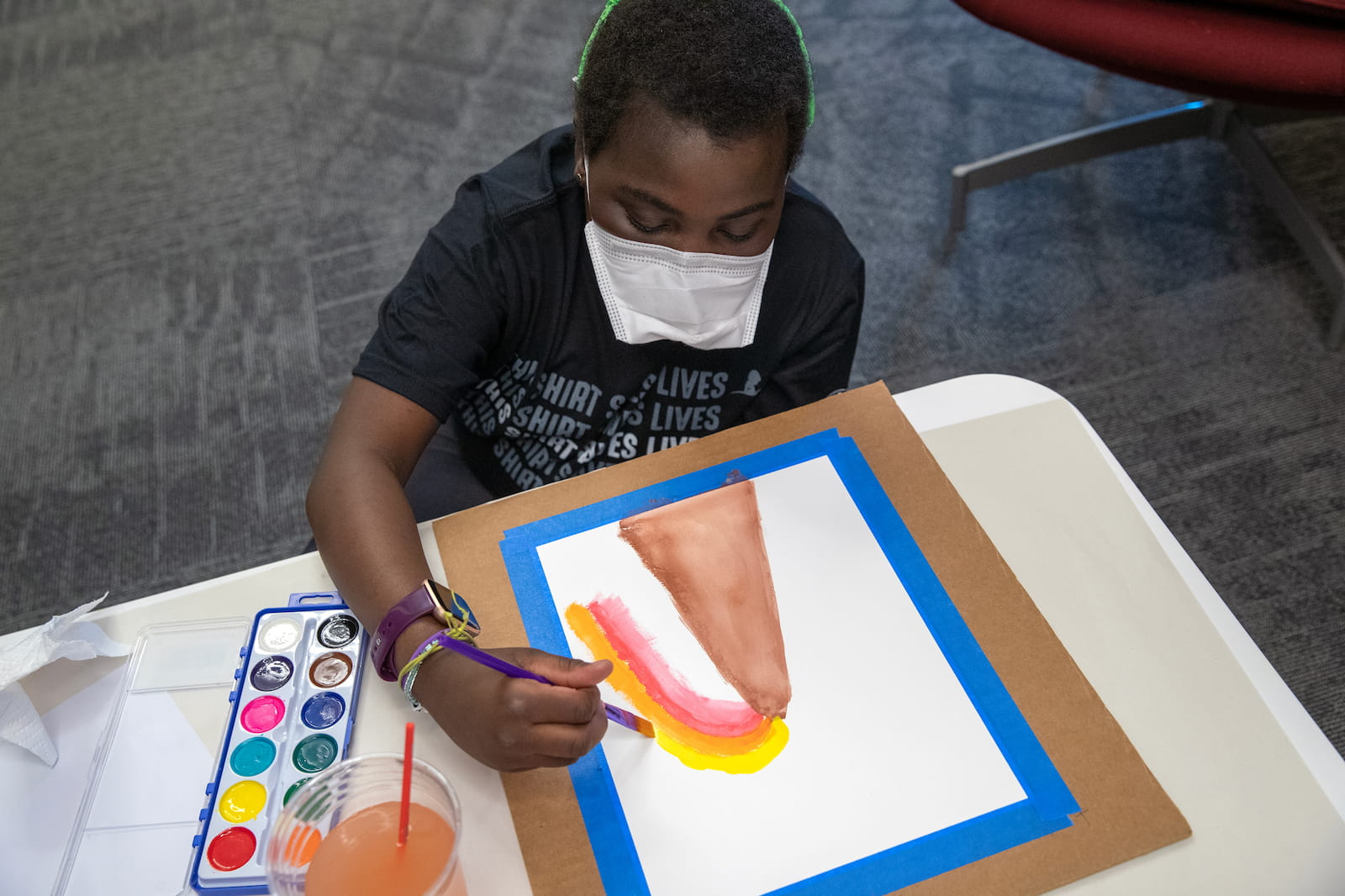
For Avery, the transplant brought a dramatic change.
Since receiving her bone marrow transplant, Avery has not experienced the effects of sickle cell disease or needed any transfusions. She returned home to Oklahoma in 2023, and the transplant has cured her of her sickle cell disease, making a huge impact on her quality of life.
“How St. Jude treated her, and how they related to her besides just the treatment they gave her, that culture is how a hospital is supposed to be,” her dad, Eliud, said. “St. Jude is unique.”
Now back in Oklahoma, Avery’s mom is looking forward to watching her daughter grow and experience the childhood she once worried sickle cell disease might take away from her.
“St. Jude has given us the hope that she can be a child and enjoy life like any other 7-year-old,” Valentine said. “With St. Jude we can hope, and we can dream.”



By subscribing, you consent to receive emails from BlackDoctor.com. You may unsubscribe at any time. Privacy Policy & Terms of Service.