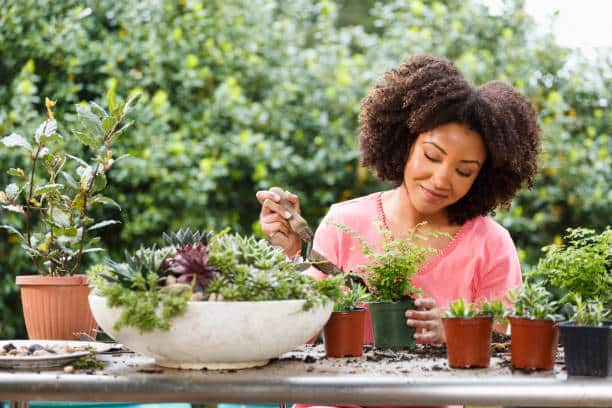
It used to be true that asthmatics were better off avoiding gardens completely. Fortunately, you don’t have to throw out your pruning shears yet. If you’re living with asthma but still want to reap the rewards of a backyard or community garden, there are a few ways you can do it.
Health experts advise keeping grass no higher than two inches. Believe it or not, grass is the primary culprit for spreading pollen. If you like having grass, three asthma-friendly options are St. Augustine, female cultivars of buffalo grass, and male-sterile hybrid Bermuda grasses.
Highly fragrant plants like pine, maple, lilies, and sweet peas can trigger your asthma. Better options include apple, dogwood, and pear.
The good thing about female trees is that they don’t spread pollen. Another option is to plant sterile male trees.
Though hedges can look nice, they’re also known for collecting debris that can trigger your asthma. It’s best to cut them down. If you like shrubs, consider azalea, hibiscus, or hydrangea.
If it’s possible, you can replace the grass in your garden with gravel so you don’t have to deal with it at all. Other options include oyster shells or plant groundcovers, like vinca or pachysandra.
RELATED: 10 Easy-to-grow Plants to Start Your Garden
The experts recommend wearing a NIOSH-approved face mask, hat, glasses, gloves, and a long-sleeve shirt when you’re gardening. Doing this should significantly reduce your exposure to pollen.

The pollen from bee-pollinated plants is usually heavier so it won’t easily bother your asthma. You can spot these plants from their large, bright flowers that are meant to attract bees.
It’s a good idea to choose inorganic mulch over organic ones. That’s because the organic mulch can encourage mold growth which is an asthma trigger.
If you don’t have the space to plant trees that will invite birds into the garden, a small bird feeder works too. Birds can reduce your exposure to insect dander while you’re outside.
Your odds of being exposed to triggers in the atmosphere will increase on windy days so try not to garden on those days.
While it’s your garden, that doesn’t mean you have to do everything yourself. People with severe asthma triggers might find that it’s a good idea to get help with tasks like weeding and mowing the lawn.
Generally, doctors encourage you to start taking allergy medicine at least two weeks before pollen season. You should also ask your doctor if you need to change anything about your asthma medication during that time.
Weeds like pigweed, ragweed, and sagebrush can produce a lot of pollen. That’s why you need to keep your garden free of weeds.
The not-so-great thing about pollen is that you can’t control how much of it gets into your backyard from other places. One preventive step you can take is to check pollen monitoring apps to see what’s happening in your area.
RELATED: Your 3-Step Asthma Attack Action Plan
Things can still go wrong even if you’ve done everything you can to avoid asthma triggers. That’s why it’s essential to get an asthma action plan from your doctor. This plan will detail what steps to take if your condition is under control, if you’re having a flare, and if you’re having severe symptoms.
RELATED: Got Asthma? Ask Your Doctor These Questions
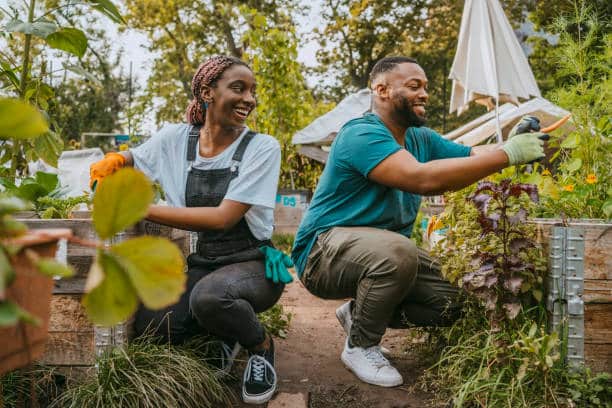
Though many Black people have had backyard gardens in the past, there has been a more concerted effort to build the practice as a community in recent years. This can either take the form of an individual backyard garden or a shared community garden. Having these gardens can improve Black American’s access to healthy food, build rapport, and relieve stress. If these gardens grow enough to become businesses, they can also increase your odds of building generational wealth.
Learning how to garden while dealing with asthma may seem unrelated but the facts about the disease say otherwise. According to several studies, Black people’s higher risk of developing asthma can be directly linked to their financial status. Without good living options, they’re more likely to live in densely populated buildings that also have issues with poor outdoor and indoor air quality. Interestingly, having the right plants has been shown to improve indoor air quality so even if you’re not growing food, gardening can help you.
As you might expect, an external garden can go a long way to improve outdoor air quality as well. If you don’t have a lot of space outside, a community garden can improve your overall health.
Backyard and community gardening have become viable options for Black Americans to improve their health while opening up opportunities for financial growth. Given how many Black people get diagnosed with asthma, however, it might be difficult for them to take part in this movement. The good news is that there are a few steps you can take to avoid asthma triggers if you want to enjoy the benefits of a good garden.


By subscribing, you consent to receive emails from BlackDoctor.com. You may unsubscribe at any time. Privacy Policy & Terms of Service.