When your teenager tells you they want to change something about their face or body permanently, what should you do?
Tell them they’re beautiful the way they are? Tell them absolutely not? Or, if they’re determined to eventually do it anyway, help them make the safest decision possible?
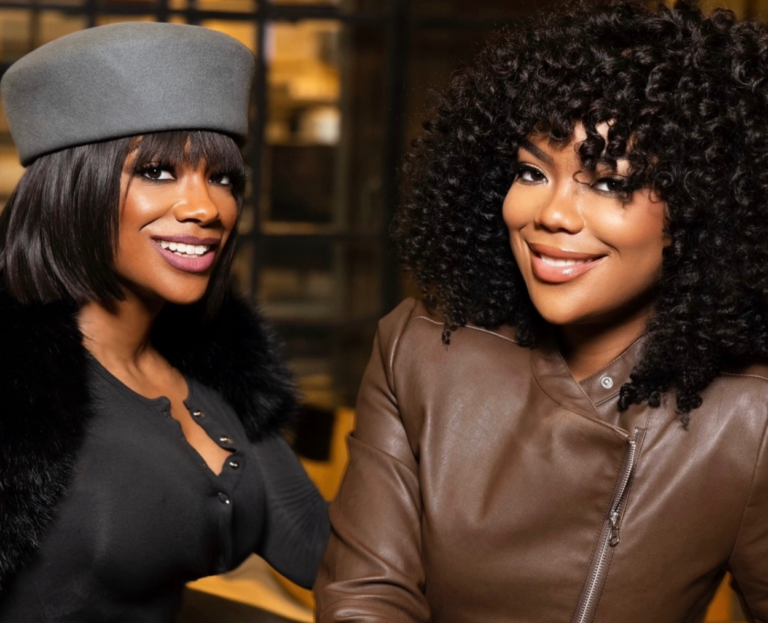
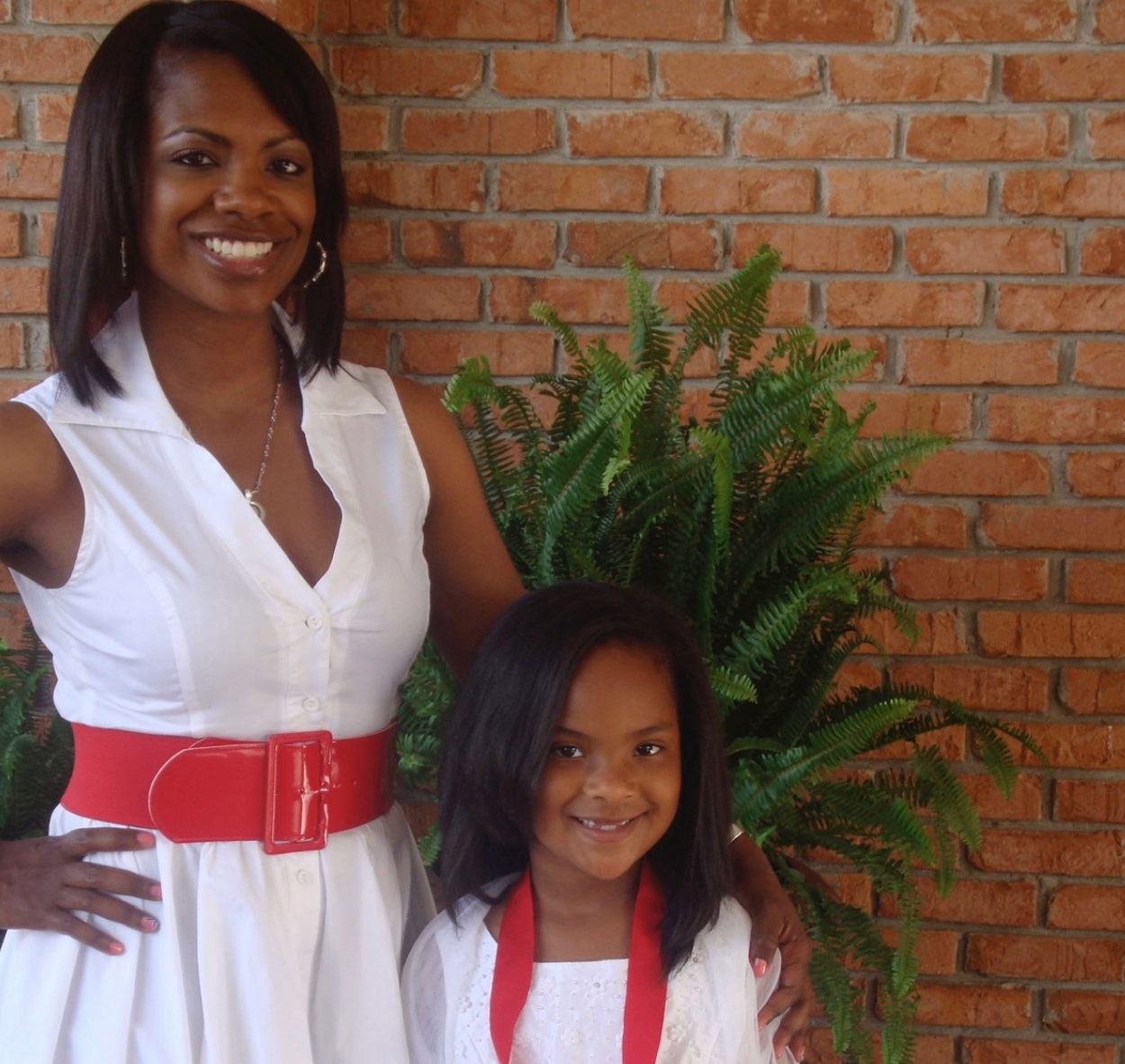
Kandi Burruss faced that dilemma when her daughter Riley Burruss wanted a nose job as a teenager.
Riley, now 24, recently looked back at the cosmetic procedure she had when she was younger and admitted there is one thing she might change: the timing.
In a recent conversation reported by Essence, Riley acknowledged that sometimes you have to grow into your features and said she “probably shouldn’t have done it that young.”
Riley also pushed back against the assumption that criticism from viewers prompted her decision. Although she grew up in front of The Real Housewives of Atlanta cameras, she said she doesn’t remember hearing negative comments about her nose before the surgery.
Instead, Riley said her nose felt too big for her face, and she’d grown tired of contouring it.
Kandi wasn’t convinced. She told Riley she thought she was beautiful and initially advised her against having the procedure. But she also believed Riley would eventually have the surgery whether her mother approved or not.
So Kandi made a different choice: If Riley was serious about doing it, she wanted to be involved in making sure her daughter went somewhere safe.
It’s a decision plenty of parents may understand, even if they aren’t sure they would make the same one. Because when a teenager wants cosmetic surgery, the question isn’t always whether a parent should say yes or no.
It’s: how do you know whether your child is actually ready?
RELATED: Plastic Surgery: Are Selfies Driving the Trend in Young People?
Cosmetic surgery isn’t automatically inappropriate for teenagers.
The American Academy of Pediatrics (AAP) says cosmetic surgery can be appropriate for carefully selected teens. But being old enough to ask for surgery doesn’t necessarily mean a teen is ready to have it.
The American Society of Plastic Surgeons (ASPS) recommends evaluating both physical and emotional maturity before a teenager moves forward with plastic surgery.
For rhinoplasty specifically, the nose should have reached its adult size. According to ASPS, that generally happens around age 15 or 16 for girls and about a year later for boys, although development varies.
That means it’s not just about age. A teenager may be physically developed enough for a procedure and still not be emotionally prepared for everything that comes with it.
RELATED: 6 Questions Black Parents Should Ask Their Pediatrician
One of the most important questions isn’t what your teenager wants changed.
It’s why they want the change.
The AAP recommends that the desire for cosmetic surgery come from the teenager, not a parent who thinks changing something about their child’s appearance would make life easier.
There’s also a difference between a teen who has been bothered by the same feature for years and one who suddenly wants a different nose because of a filter, a celebrity, or comments online.
Riley’s experience is exactly why parents need to listen before assuming they know where the desire is coming from. People have assumed public criticism led her to change her nose because she grew up on television. Riley says it didn’t. The feature bothered her.
Parents can start by asking:
And don’t expect one conversation to settle it. Sometimes waiting gives more clarity.
RELATED: Body Goals or Body Pressure: A Real Talk About Plastic Surgery
Wanting a smaller nose is one thing.
Believing a smaller nose will make you popular, fix your relationships, or completely change how you feel about yourself is something else.
Both the AAP and ASPS agree that it’s important that teenagers who want plastic surgery have realistic expectations.
Surgery can change a physical feature. It can’t guarantee confidence, acceptance, or happiness.
Young people are growing up with filters, edited images, and constantly changing beauty trends. These highly curated social media images can affect how young people feel about their bodies because they’re often comparing their real appearance with “perfect” images online.
That doesn’t mean every teenager interested in cosmetic surgery has an unhealthy body image. But parents should consider what’s shaping the way their child sees themselves.
Riley’s comment about needing time to grow into your features points to another reason waiting can make sense.
Teenagers’ bodies are still developing, and depending on the procedure, surgeons may recommend waiting until a particular area has reached sufficient physical maturity. ASPS guidance on younger rhinoplasty patients says waiting may be the better choice if a young person’s facial features are still changing.
But the way young people see themselves is developing, too. A feature that feels overwhelming at 15 may not feel the same at 18 or 21. Faces mature. Beauty standards shift. Confidence can change.
If something genuinely bothers your child, of course you should listen, but listening doesn’t require rushing into a procedure.
A good surgeon should also be interested in why a young person wants the procedure.
A responsible consultation with a surgeon about plastic surgery should also prioritize your teen understanding the procedure and its limitations. According to ASPS guidance, they should have realistic goals and be mature enough to handle the discomfort and recovery that can accompany surgery.
They also need to understand that surgery involves healing, complications are possible, and the result may not match the exact image they have in their head.
This may be the most interesting part of Kandi and Riley’s story.
Kandi didn’t decide Riley needed a different nose. She disagreed with her. But she also believed that if the concern continued bothering Riley, her daughter would eventually have the procedure once she could make the decision herself.
Kandi chose to stay involved rather than remove herself from the process. That doesn’t mean every parent should make the same choice. But parental involvement can help slow the process down enough to ask better questions.
Here are some suggested steps to take:
And pay attention to how the surgeon responds to you, the parent, if you bring up the word wait.
A consultation shouldn’t feel like someone’s selling you a car. Current ASPS guidance calls high-pressure sales tactics a red flag and notes that an ethical surgeon should be willing to recommend waiting when surgery isn’t yet in a young patient’s best interest.
Riley isn’t saying nobody should get a nose job. What has changed is her perspective on when she had hers.
That’s what makes her story useful for parents.
Your teenager may be certain about wanting cosmetic surgery. You can take that certainty seriously without treating it as an emergency.
Find out where the desire is coming from. Get qualified medical guidance. Ask what they expect to change afterward. And give the decision enough time to survive changing trends, changing feelings, and another birthday or two.
You don’t necessarily have to choose between dismissing your child’s feelings and booking the surgery.
Sometimes the answer isn’t “never.” It’s “let’s give it some time.”

By subscribing, you consent to receive emails from BlackDoctor.com. You may unsubscribe at any time. Privacy Policy & Terms of Service.