According to the National Council on Disability, approximately 61 million U.S. adults — or about one in four Americans — live with a disability. Despite representing a significant portion of the population, people with disabilities have historically been underrepresented in clinical trials.
The lack of representation can limit researchers’ understanding of how new treatments, therapies, and medical devices perform across diverse patient populations. Although researchers and healthcare organizations have made progress toward creating more inclusive studies, barriers to participation remain.
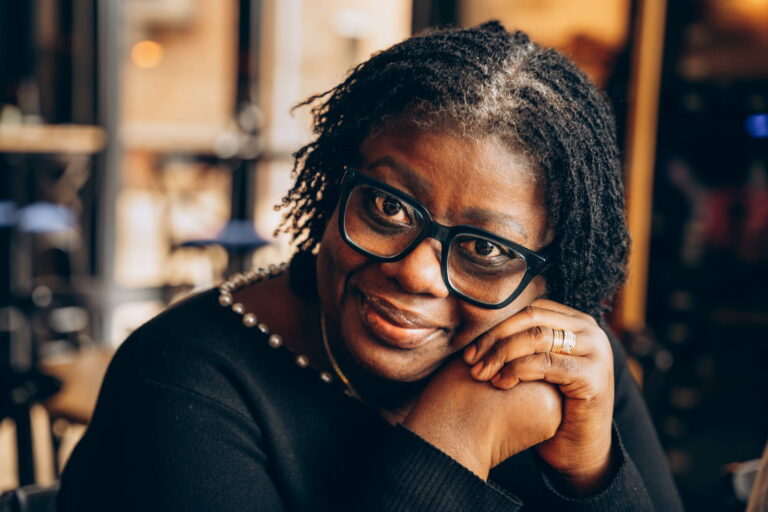
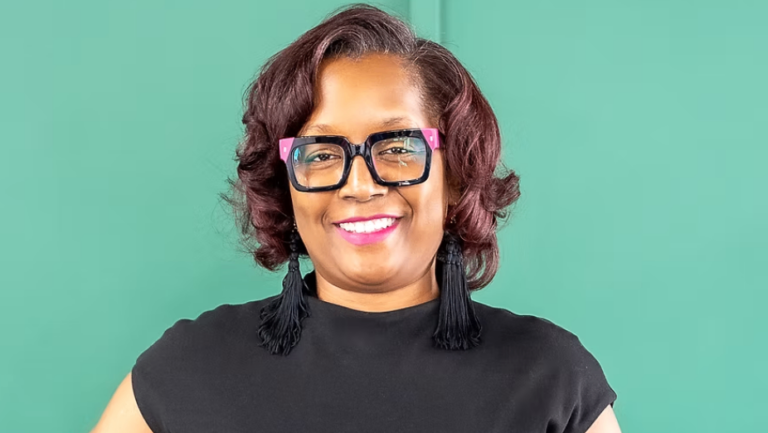
BlackDoctor spoke with Joyce H.N Nortey, MPH, MSBH, Sr. Director of Clinical Research & Operations at Evidation Health and Research Advisor for the Fibroid Foundation, about why disability inclusion matters and what researchers can do to make clinical trials more accessible.
Clinical trials are designed to evaluate the safety and effectiveness of new medications, medical devices, and treatment approaches before they become widely available. To generate meaningful findings, study participants should reflect the diversity of the people who may eventually use those treatments.
When people with disabilities are excluded from clinical trials, researchers may have limited information about how treatments, medications, and medical devices perform across different
physical, sensory, intellectual, or developmental disabilities. As a result, this can leave healthcare providers with less data to guide treatment decisions and may lead them to overlook differences in treatment effectiveness, side effects, accessibility, and long-term outcomes.
“Representation isn’t just about equity,” Nortey says. “It’s about generating stronger evidence.” She explains that while a treatment may be effective in a narrowly selected study population, researchers also need to understand how it performs in real-world settings where people have different health conditions, communication needs, and lived experiences. Including people with disabilities also broadens the outcomes researchers measure, such as quality of life, independence, treatment burden, and the overall participant experience.
RELATED: Understanding Multiple Sclerosis Clinical Trials: What Black Patients Should Know
Accessibility extends beyond physician access to a research site. Participants may also encounter barriers related to transportation, communication, technology, scheduling, or the informed consent process. For some individuals, these challenges can make it difficult to participate in a clinical trial, even when they are interested and eligible to enroll.
Recruiting people with disabilities into clinical trials is only the first step. Researchers must also design studies that allow participants to fully engage throughout the research process.
Addressing these barriers requires researchers to consider accessibility throughout every stage of the study, from recruitment and enrollment to follow-up visits. By anticipating participants’ needs early in the study design process, researchers can create a more inclusive experience that enables people with disabilities to participate fully and improve the overall quality of the research.
Nortey says accessibility isn’t a one-size-fits-all checklist. Instead, researchers should take a flexible approach that considers each participant’s individual needs. That may include accessible facilities, telehealth or home visits, flexible scheduling, alternative document formats, interpreters, captioning, or additional time during the informed consent process.
“When we design studies with flexibility in mind, accessibility improves for everyone,” she says.

People with disabilities often experience health disparities, including delayed diagnoses, reduced access to preventive care, and barriers to specialty healthcare services.
Researchers say clinical trials can help identify these disparities while generating evidence that leads to more equitable care. When disability communities are represented in research, scientists gain a better understanding of patients’ experiences and can use those findings to inform future treatments and health care recommendations.
Nortey notes that broad exclusions intended to protect participants can unintentionally limit opportunities for people with disabilities to contribute to research that may ultimately benefit them and others.
When people with disabilities are consistently included in clinical research, researchers gain a better understanding of the unique health challenges, treatment responses, and barriers to care they may experience. Those insights can help inform more equitable treatment recommendations, improve clinical decision-making, and ensure future healthcare innovations are developed with a broader range of patient experiences in mind.
RELATED: “Roll by Faith, Not By Sight”: Why Disability Doesn’t Define Me
While increasing disability representation can improve care for people living with disabilities, experts say the benefits extend far beyond a single population. Research that includes diverse participants produces findings that better reflect real-world patient populations, helping researchers develop treatments that are safer, more effective, and applicable to a broader range of patients.
“Accessibility should not be framed as a favor to individual participants. It is part of ethical, scientifically sound research,” she emphasizes.
As medicine continues to evolve, ensuring people with disabilities have meaningful opportunities to participate in clinical research remains an important step toward building a more equitable healthcare system.
Nortey believes that shift benefits everyone. “That shift in mindset doesn’t just improve the participant experience — it leads to research that is more inclusive, more representative, and ultimately more impactful for the patients it is designed to serve.”

By subscribing, you consent to receive emails from BlackDoctor.com. You may unsubscribe at any time. Privacy Policy & Terms of Service.