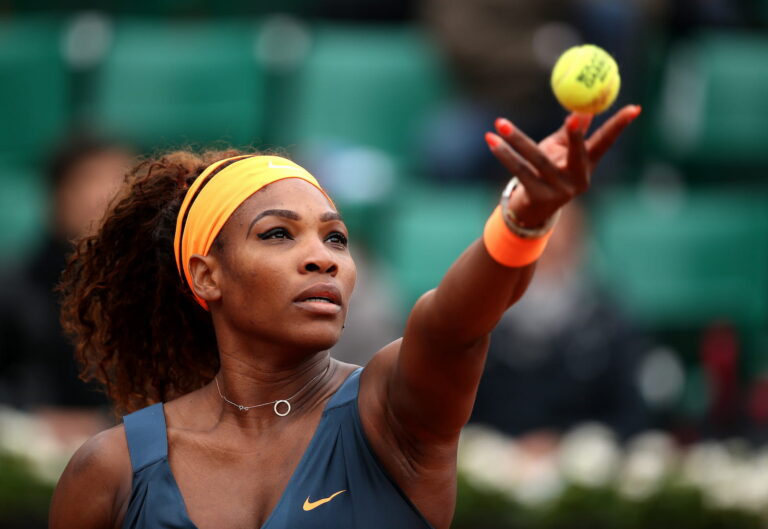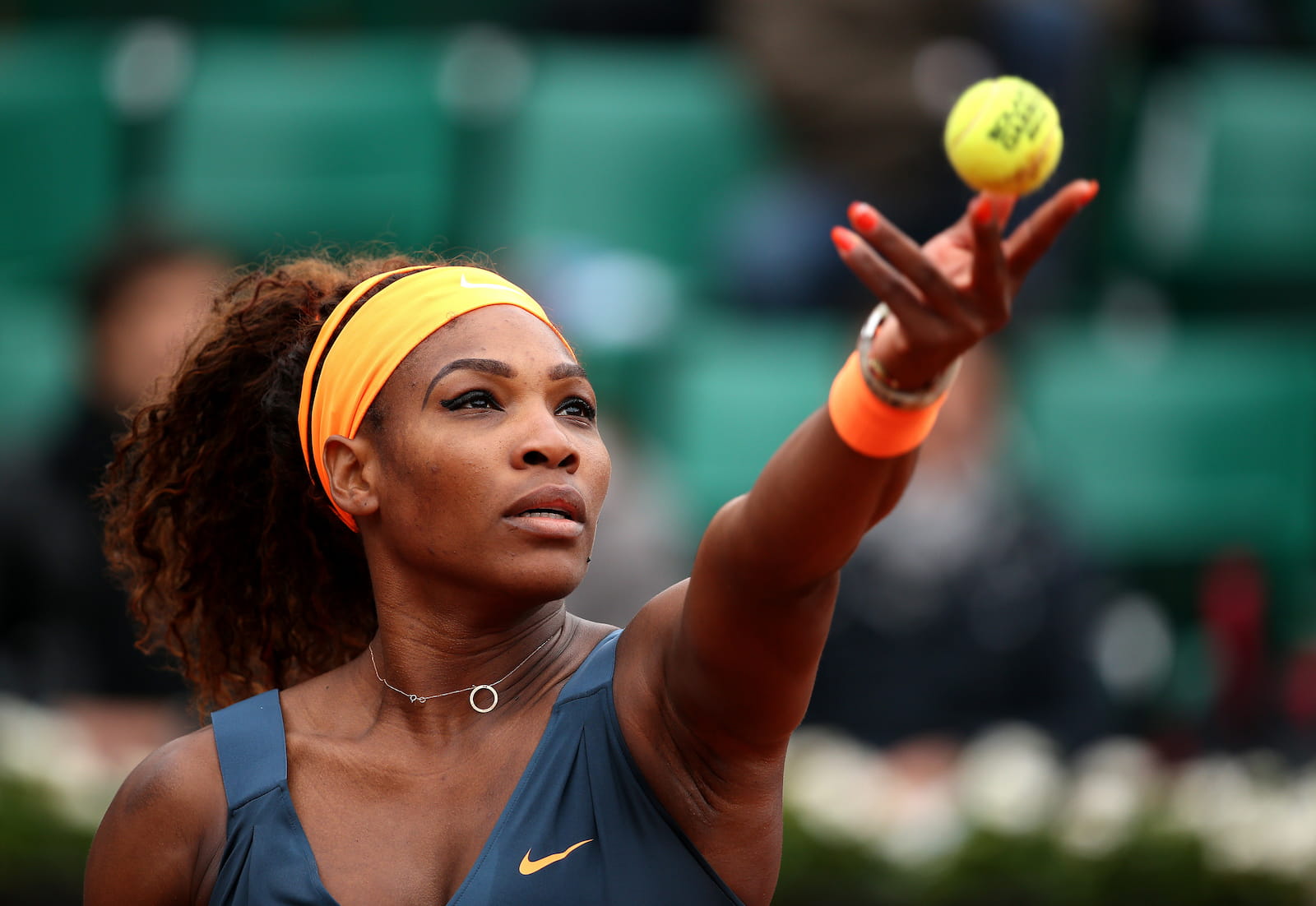
Maybe it was watching Coco Gauff, Naomi Osaka, Madison Keys and Taylor Townsend at this year’s U.S. Open. Or seeing 46-year-old Venus Williams step onto the court at Flushing Meadows once again, reminding us that tennis doesn’t come with an expiration date. And even though Serena Williams ultimately withdrew from doubles, just seeing both Williams sisters back in the U.S. Open conversation reminds us of how much they changed who we see—and who sees themselves—in this sport.
From Sloane Stephens and Hailey Baptiste to Alycia Parks and Robin Montgomery, there was no shortage of Black women to root for.
And there’s something about watching all that Black-girl magic on a tennis court that can make you want to pick up a racquet yourself.
Then reality kicks in.
I haven’t played a sport in years.
What about these knees?
Do I really want to chase a little yellow ball around a court at 47?
Actually, you might.
You don’t need Serena’s serve, Coco’s speed, or an expensive country club membership to add tennis into your physical fitness routine. Recreational tennis can get you moving, challenge your body in ways your usual workout may not, and most importantly, give you a reason to actually look forward to exercising.
If you’ve been thinking about trying tennis, here are 10 reasons to get on the court.
Tennis isn’t just standing around hitting a ball back and forth. You’re walking, running, changing direction, and recovering between points, giving your cardiovascular system a workout along the way.
USTA sports cardiologist Dr. Jonathan Friedman says recreational singles or doubles with friends can provide moderate-intensity exercise, while competitive matches may reach vigorous intensity.
That’s important because the CDC recommends that adults get at least 150 minutes of moderate-intensity aerobic activity or 75 minutes of vigorous activity each week, along with muscle-strengthening activity at least two days a week.
You don’t have to get all of that exercise from tennis, of course. But a regular game can help you put a dent in those weekly minutes without staring at the timer on a treadmill.
RELATED: 10 Easy Exercises to Improve Your Heart Health
Yes, your legs are doing plenty of work. But tennis also requires you to rotate your torso, stabilize your core, reach, swing and control the racquet with your upper body.
A review of research on the health benefits of tennis found that regular players generally had better aerobic fitness than less-active people and examined benefits involving cardiovascular and bone health.
Tennis shouldn’t replace your strength-training routine—Friedman specifically recommends resistance training alongside tennis—but it can add a different kind of full-body movement to your week.
RELATED: Black History of Health: Arthur Ashe
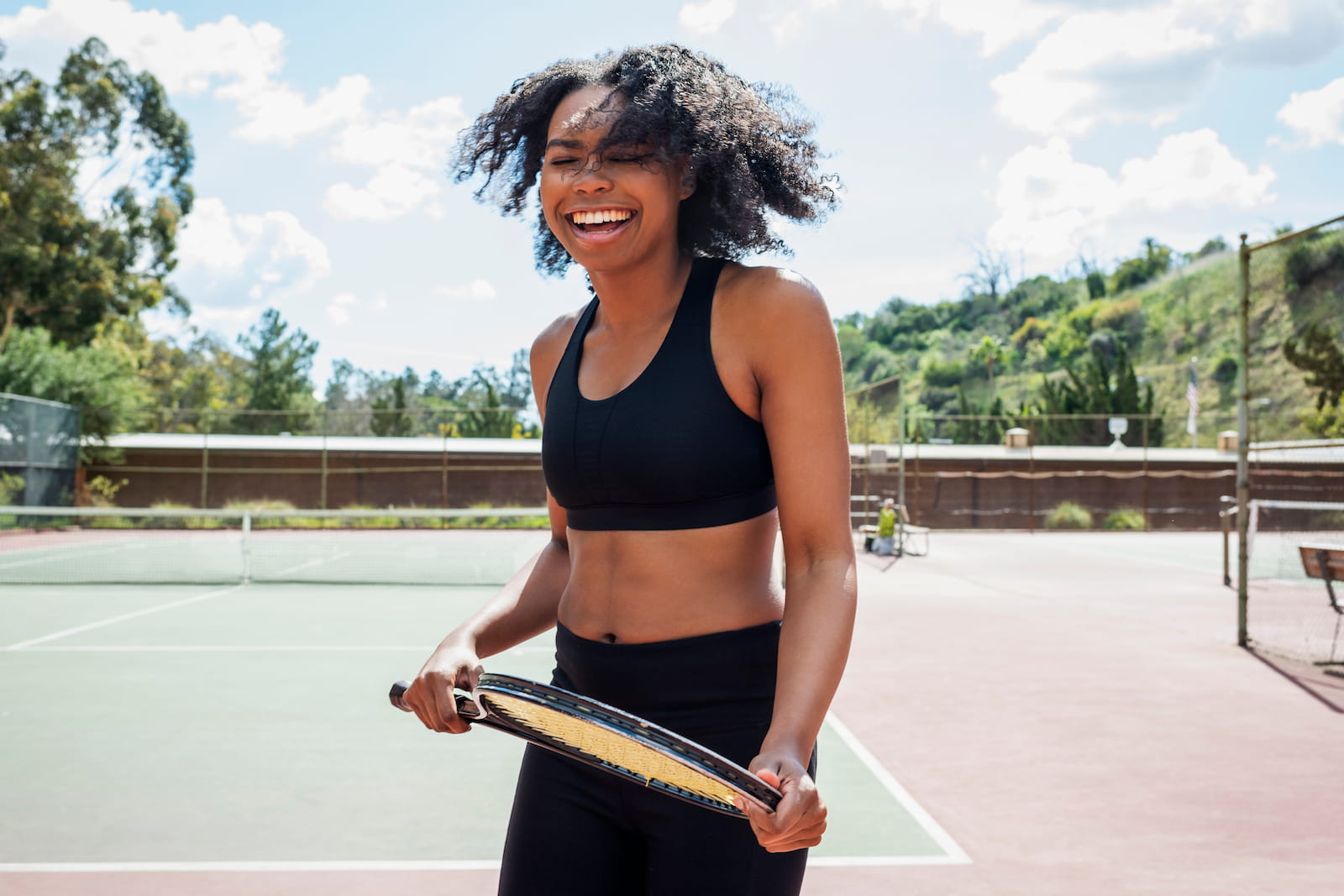
Bone health becomes increasingly important as women get older, especially during and after menopause.
Tennis is a weight-bearing activity, meaning you’re supporting your body weight while moving rather than having it supported by something like a bicycle or the water in a swimming pool. The running, stopping, and changing direction involved in tennis also place mechanical demands on the skeleton.
Research reviewed in the British Journal of Sports Medicine has associated regular tennis participation with bone-health benefits.
That doesn’t mean tennis alone prevents osteoporosis. But staying physically active and including activities that challenge your bones is an important part of maintaining health as you age.
The ball isn’t coming directly to you every time.
You have to judge where it’s going, move your feet, position your body, and get the racquet there at the right moment.
According to the USTA, that combination can improve coordination, agility, and balance in ways that walking the same neighborhood route every day may not.
And don’t worry if you spend your first lesson swinging at air. Coordination comes with practice!
Where is she going to hit the ball? Where should you hit it back? Should you come closer to the net or stay put?
Even recreational tennis requires you to make decisions while you’re moving.
The USTA notes that strategic thinking and problem-solving are benefits of playing tennis. And there’s something refreshing about an activity that demands enough attention that you can’t spend the entire workout thinking about your inbox, your errands, or what you’re making for dinner.
Sometimes your brain needs a break from your usual day-to-day grind.
Somewhere along the way, exercise can become very serious.
Get your 10,000 steps. Lift the weights. Do the cardio. Close the rings on that smart watch.
All useful, but sometimes you just want to play.
Tennis gives you an objective besides burning calories: get the ball over the net. Return the serve. Keep the rally going. Maybe eventually win a game.
That can make movement feel less like another health chore and more like something you’re learning.
Tennis can be the one you enjoy enough to keep doing.
Nobody expects you to walk onto the court looking like you’re headed to Wimbledon.
Beginner tennis can involve learning basic strokes, practicing serves, hitting balls fed directly to you, and playing shorter rallies before you ever attempt a full match.
Many recreation centers and tennis facilities have modified courts and equipment designed to make tennis easier to learn. They also have beginner clinics or group lessons.
Your first goal can simply be making contact with the ball more often than you miss it.
Hey, that’s progress!
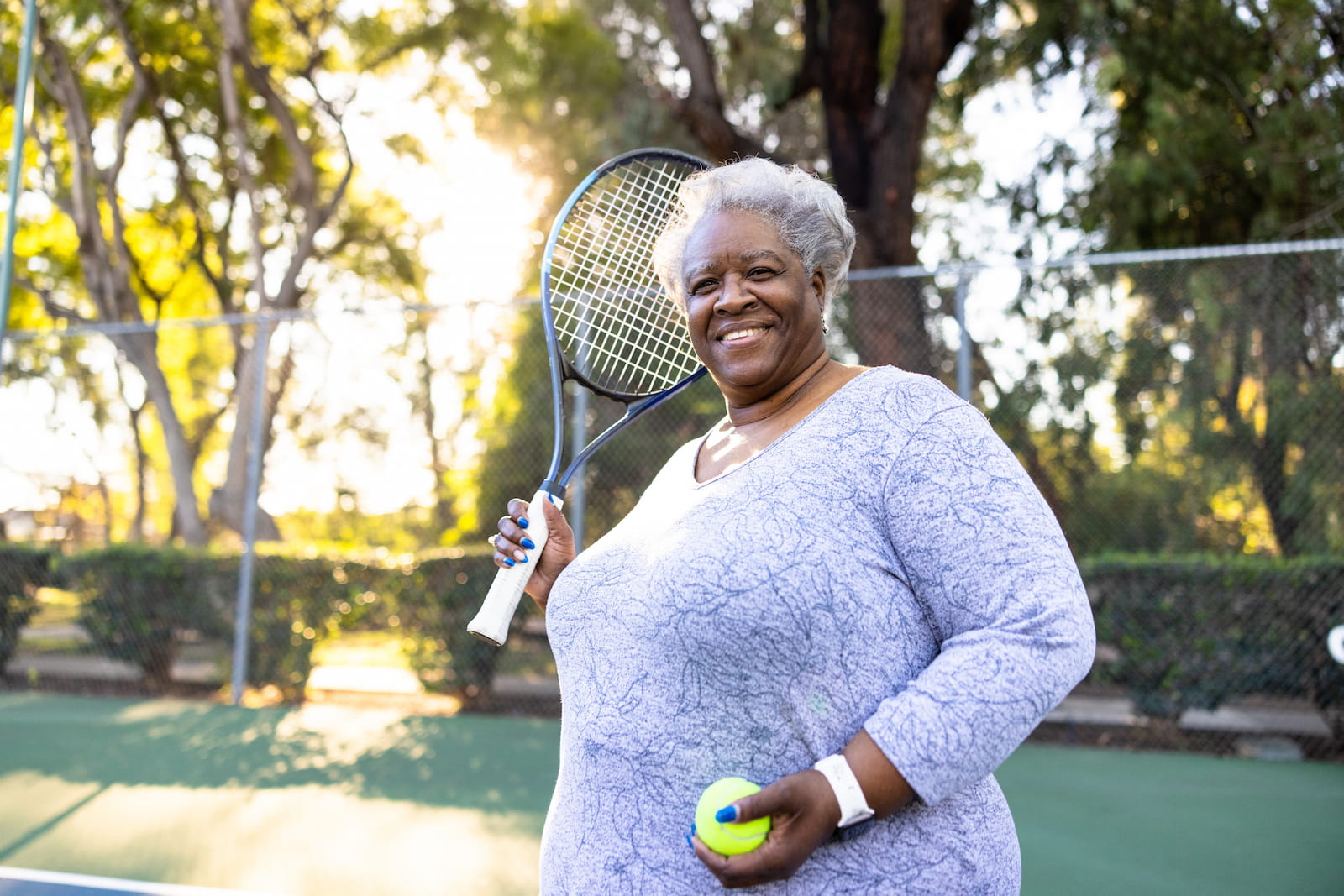
If the thought of covering an entire singles court has your knees filing a formal complaint, try doubles.
Playing with a partner means you have less court to cover than you would in singles, while still getting movement, skill practice and the fun of competition.
It also adds another benefit that gets overlooked when we talk about exercise: people.
The USTA says new relationships and community connection are among the benefits of playing tennis as an adult.
A weekly doubles game can become exercise and a standing date with your girls.
RELATED: 6 Friends Everyone Needs After 40
Being over 40 doesn’t automatically make tennis dangerous.
But please don’t go from being mostly sedentary to playing two hours of competitive singles because you watched a U.S. Open match and got inspired.
Start gradually.
A beginner lesson, hitting session or short doubles game gives your body time to adjust to the stopping, starting and directional changes involved in tennis.
If you have arthritis, chronic joint problems, cardiovascular disease or another medical condition that affects your ability to exercise, talk with your healthcare provider about the type and amount of activity that’s appropriate for you. The CDC notes that adults with chronic conditions can still benefit from physical activity and should be as active as they can be.
And pay attention to what your body tells you. Chest pain, dizziness, fainting, unusual shortness of breath or other concerning symptoms aren’t signs that you need to “push through.” Stop and get medical guidance.
RELATED: Chronic Joint Pain in Black Adults: When It’s More Than “Just Aging”
Perhaps the best argument for learning tennis after 40 is that you’re not necessarily picking up something you’ll have to give up five years from now.
“Tennis is really a lifelong game,” Friedman told the USTA, noting that people can begin as children and continue playing recreationally well into later life.
That changes the way you can think about starting. You’re not late.
You’re learning something now that could still be part of your life at 50, 60, 70 and beyond. All you have to do is make adjustments to how and how intensely you play along the way.
Not so fast.
Before you invest in the cute tennis dress, three racquets, a giant tennis bag and enough equipment to suggest you’re joining the tour, go try it.
Here are a few things you can do today:
Look for a beginner clinic at a community tennis center, parks department, recreation program or local tennis club
Borrow or rent a racquet if that’s available
Take a lesson
Grab a friend and learn together.
The USTA’s tennis locator can also help you find courts, coaches and opportunities to play in your area.
You can also Google “tennis lessons near me” to find lessons close to home.
You may discover tennis isn’t your thing.
Or you may discover that the sport you’ve spent years watching from your couch is a whole lot more fun when you’re the one holding the racquet.

By subscribing, you consent to receive emails from BlackDoctor.com. You may unsubscribe at any time. Privacy Policy & Terms of Service.