Menu

Bone Loss Can Start Before Menopause: 10 Things to Do About It Now

Table of Contents
bone loss, menopause

While you may think that bone loss only happens in your late 40s and beyond, that’s not always quite the case. Health experts say you may start losing bone density earlier than you think. The trick is that it’s not likely that you’ll notice any symptoms that tell you to be careful. That’s why you need to be informed and proactive when it comes to caring for your bones. 

When Your Bone Density May Start to Fall

Your bones are living tissue that grow and reshape over time. There’s a natural process in which bones are regularly reabsorbed and regenerated. This process helps to keep your bones strong and healthy. It’s estimated that most women reach peak bone density at age 25. After that, your body slowly starts to break down bones faster than it rebuilds them. In most cases, this decline doesn’t cause any issues, so you won’t notice it. 

However, it can lead to what’s known as osteopenia if you lose too much bone density. You’re at a greater risk of developing this condition if you smoke, use tobacco products, have more than two alcoholic drinks per day, have gone through menopause, or are over the age of 50. 

Featured on BlackDoctor

Certain health conditions can also put you at risk for developing osteopenia. These include diabetes, hyperthyroidism, chronic kidney disease, eating disorders like anorexia, autoimmune diseases, malnutrition, and hormonal imbalances. Additionally, taking medications like corticosteroids, diuretics, anti-seizure drugs, anticoagulants, and hormone therapy for treating some types of cancer can lead to osteopenia. 

On top of a decline in the rate of bone regeneration, your bone density can be affected by the hormonal fluctuation that comes with entering menopause. Estrogen plays an essential role in the balance between bone resorption and rebuilding. When your levels start to drop, you’re even more likely to have low bone density. This means your bones can start to weaken well before you have your last menstrual cycle. 

Fortunately, there are a few things you can do to help your bones. While you can’t necessarily stop the changes in your bone density, you can compensate for them. These tips can be particularly important for Black Americans. According to theBone Health and Osteoporosis Foundation (BHOF), five percent of Black women over 50 have already been diagnosed with osteoporosis, while another 35 percent have low bone mass that could eventually lead to osteoporosis. 

RELATED: 10 Excellent Exercises to Fight Muscle Loss in Menopause

10 Things That May Help You Maintain Bone Density

1. Do the Right Exercises

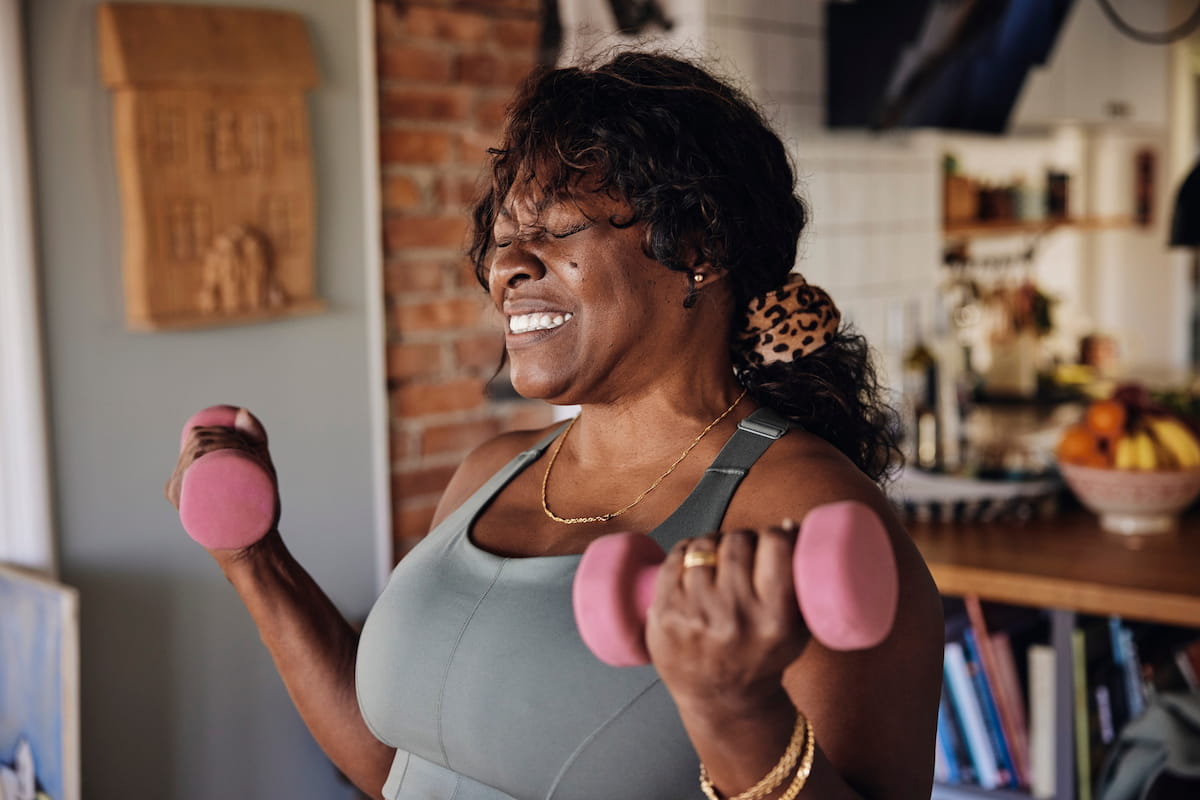
Being physically active has a variety of benefits, but for maintaining bone health, the experts recommend strength and resistance training. Whether you’re using dumbbells, heavier weights, resistance bands, or your body weight, you can put helpful stress on your bones. This stress can stimulate the production of osteocytes that signal your body to form more bone. 

2. Work on Your Balance

Another form of exercise that you should incorporate into your routine is balance training. Apart from building your strength, balance exercises can help to protect your bones. Even if you don’t have osteoporosis yet, your bones may already be more susceptible to fractures. If you do exercises like squats and lunges, you’re less prone to falls that can plague older adults. 

3. Consider Using Weighted Vests

Some people use weighted vests or clothing to boost the results of their exercise routine. According to a small trial, women who wore weighted vests during their routine were able to maintain or slightly increase their hip bone density. The participants who didn’t use weighted vests or do the same type of exercise saw a loss in bone density instead. While this trial was small and combined weighted vests with jumping exercises, it suggests that using a vest may help maintain much-needed hip bone density. 

4. Get Enough Protein

Eating lean protein regularly can help your body to build muscle and bone. The right sources of protein provide your body with the building blocks it needs to support bone growth. When choosing your protein, opt for plant-based foods like beans, tofu, and nuts. You can also incorporate lean cuts of skinless poultry and fish, such as salmon or sardines. 

5. Switch Up Your Diet

Depending on what you currently eat, you may see the most benefit from switching to healthy programs like the DASH and Mediterranean diets. While these are slightly different in terms of the foods they focus on, you’re most likely to see an emphasis on eating whole foods, fresh vegetables, fruits, healthy fats, nuts, legumes, and omega-3 fats. 

6. Get Your Calcium

If you’re not getting enough calcium in your diet, your bones will take a hit because your body will use them as a source of the mineral. To avoid this, you should incorporate calcium-rich foods in your diet. Although dairy products are a high source of calcium, they’re not the only ones. You can find calcium in sardines, seeds, almonds, yogurt, cottage cheese, figs, edamame, and tofu. Considering that BHOF states up to 70% of Black people can be lactose intolerant, this is excellent news. 

7. Add More Vitamin D

Vitamin D is essential to calcium absorption in the body. Unfortunately, many Black women don’t get enough of it. You can find Vitamin D in fatty fish like wild-caught mackerel, salmon, tuna, and cod liver oil, as well as fortified cereal, dairy products, orange juice, and plant-based milks. 

8. Aim For More Vitamin K

Vitamin K may play a role in stronger bones and a lower risk of fractures. According to a recent report, adding Vitamin K to your diet may block the inflammation that’s associated with bone loss and damage. The good news is that you can get Vitamin K easily through adding fruits, eggs, soybeans, spinach, broccoli, and lettuce, and soybean and canola oil to your diet.

9. Make Breakfast a Priority

Sometimes it’s easier to skip breakfast to get moving quickly in your day. A cohort study in the Journal of Endocrine Society suggests that this is a bad idea for your bones, though. Regularly skipping breakfast was found to increase their risk of fracture by up to 18%. While the reason isn’t definitive, researchers suggest that skipping breakfast may interfere with the part of your circadian rhythm that deals with bone turnover. 

10. Stick to Your Alcohol Limits

There may be a link between consistently having more than two alcoholic drinks per day and an increased risk of fractures. To keep your bones healthy, it’s best to limit alcohol consumption. 
bone loss, menopause

The Best Exercises for Bone Health in Women Over 40

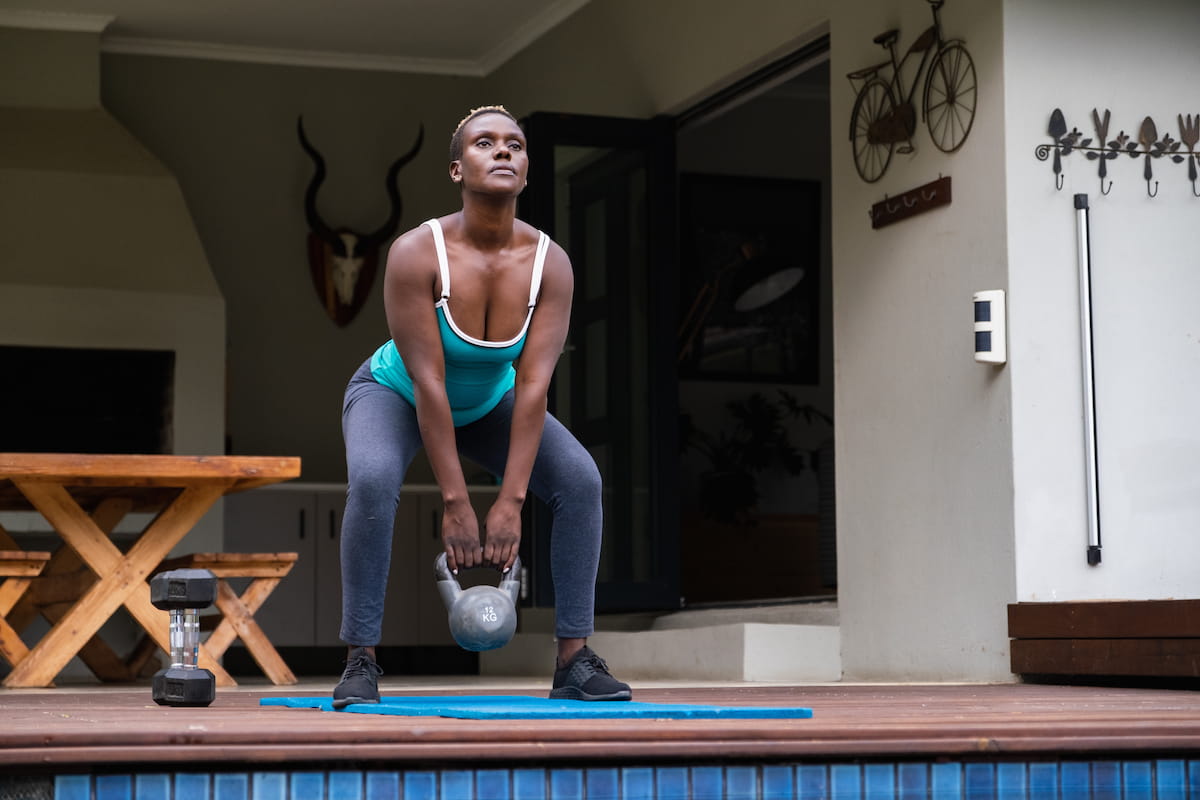
Of course, it’s a good idea to remain physically active as you age. A regular exercise routine is essential to your overall well-being. However, it helps to be specific when dealing with bone health. These exercises are likely to help strengthen your bones over time and may reduce your risk of bone loss. If you have any concerns about switching up your routine, make sure to talk to your doctor first. 

Additionally, you should start slowly when incorporating strength training into your routine. The aim is to be consistent, not to become a master of the routine in record time. That can also mean taking breaks and mixing things up so your body can recuperate from certain exercises. While you can build a routine on your own, it may be helpful to engage a trainer when you’re starting or find an online program. 

1. Bodyweight Squats

  • Adopt your squat stance by finding a foot positioning that feels comfortable for you. Some people find a wider stance (around shoulder width) works better for their anatomy, while others prefer a narrower stance (around hip width). Try a few stances to work out which feels best. Once you’ve found the most comfortable position, externally rotate your feet so that your toes are slightly pointing outwards.
  • Begin by pushing your hips back while bending your knees, as if you were about to sit down. As you lower down, push your knees out to prevent them from caving inwards.
  • You can hold your arms by your sides, in front of your chest, or extended out in front of you for balance.
  • Squat down until your thighs are at least parallel with the floor, or below if you can.
  • Return to standing by pushing the ground away through your feet, making sure to push through the whole foot, not just the heels.
  • Keep a soft bend in your knee to avoid locking out your legs as you stand tall. Slightly squeeze the glutes, but avoid pushing your hips too far forward as this can place pressure on the lower back.

2. Dumbbell Shoulder Presses

  • Holding a dumbbell in each hand, stand with your feet shoulder-width apart and your hips and spine in a neutral position.
  • Lift the dumbbells so they are positioned between your shoulders and ears, with your palms facing forward.
  • Engage your core and glutes, and extend your arms to press the dumbbells above your head. Keep your feet flat on the floor throughout the movement.
  • Slowly lower the dumbbells back to the starting position, keeping the torso stable throughout.

3. Dumbbell Step Ups

  • Stand in front of the step or plyo box with your feet hip-width apart and hands by your sides. Brace your core by tightening the abdominal muscles – it can be helpful to imagine you are about to be punched.
  • If using dumbbells or kettlebells, you can hold a dumbbell in each hand with arms extended by your side, or hold a dumbbell or kettlebell between both hands in front of your chest.
  • Place your left foot on the box and drive through it to push your body up, then bring your right foot onto the platform.
  • As you push up, focus on squeezing your glutes and maintaining a tall spine.
  • You can alternate between legs or switch after you’ve finished reps.

4. Dumbbell Deadlifts

  • Hold a dumbbell in each hand, palms facing inward.
  • If you’re performing a conventional deadlift, hold the dumbbells by your side and adopt a shoulder-width stance, toes pointed straight ahead.
  • For a sumo dumbbell deadlift, hold the dumbbells in front of your body and place your feet just wider than hip width, toes externally rotated.
  • Once you’ve found your stance position, you’ll need to adopt a neutral spine and tight core to create tension between your body, the floor, and the dumbbells. This will help you to maintain good technique throughout the lift, minimize injury, and ensure the right muscles are being worked.
  • To do this, straighten your spine and pin your shoulder blades back while keeping your feet planted on the floor and a tight grip on the dumbbells.
  • Your setup is now complete, and you’re ready to deadlift! Keeping the dumbbells as close to your center of gravity as possible throughout the lift, take a deep breath in and brace your core by allowing your stomach to push outwards and your core to become rigid.
  • To start the movement, push your hips back and allow the dumbbells to lower towards the floor.
  • For a conventional dumbbell, the dumbbells should travel close to your thighs. Once the dumbbells have reached just below the knee, allow the knees to bend slightly so that the dumbbells lower closer to the floor. The dumbbells don’t need to contact the floor, as this may cause back flexion  – only lower to a comfortable position where you are still maintaining a neutral spine.
  • For a sumo deadlift, the dumbbells should travel close to your center of gravity. You may find that you can reach the floor easier with the sumo as opposed to the conventional due to the wide stance of the sumo.
  • From the bottom position, drive up through both feet. Imagine you are pushing the ground away from you, as you would on a leg press machine. Be patient as you lift the dumbbells – you want to ensure your hips and knees extend at the same time.
  • As the dumbbells rise, you’ll need to push your hips forward, squeezing the glutes and hamstrings as you reach full lockout of the hips. Extend the legs until you’re standing tall.
  • Before starting your next rep, you might want to reset your positioning and revise step 2 to maintain your neutral spine with the shoulder blades pinned back. You’ll also need to brace your core again.

5. Dumbbell Bent Over Row

  • Choose your dumbbells and grip. A neutral grip (palms facing each other) can be easier on the shoulders; a supinated (underhand) grip works the biceps more, and a pronated (overhand) grip engages the lats more.
  • Maintaining a neutral spine, hinge forward by pushing your hips back until your torso is at a 45-degree angle. Your arms should be extended with the dumbbells to the front of your shins.
  • Take a deep breath in, brace your core, and row the dumbbells towards your hips by pulling your elbows back in an arc direction until your elbows are bent and your triceps are parallel with the floor.
  • Return the dumbbells to the starting position by slowly allowing your arms to extend in front of you.
  • Once the set is complete, push your hips forward to stand tall before deadlifting the dumbbells back onto the floor.

It may be normal for your bone density to decline, but that doesn’t mean you have to give in to osteopenia and osteoporosis. If you modify your diet and add strength training to your exercise routine, you may be more likely to keep your bones strong. Before you start, though, talk to your doctor about what’s best for you. 

SHARE
Related Stories
Answer the question below

Gout Survey

People with gout often have sudden, painful flares of joint swelling and redness. How many gout flares have you experienced in the last 12 months?
Have you ever received intravenous medicine for your gout?

Get our Weekly Newsletter

Stay informed on the latest breakthroughs in family health and wellness. Sign up today!

By subscribing, you consent to receive emails from BlackDoctor.com. You may unsubscribe at any time. Privacy Policy & Terms of Service.

More from BlackDoctor

Where Culture Meets Care

BlackDoctor is the world’s largest and most comprehensive online health resource specifically for the Black community. BlackDoctor understands that the uniqueness of Black culture - our heritage and our traditions - plays a role in our health. BlackDoctor gives you access to innovative new approaches to the health information you need in everyday language so you can break through the disparities, gain control and live your life to its fullest.
✦ AI Search Disclaimer
This AI-powered search tool helps you find relevant health articles from the BlackDoctor.org archive. Please keep the following in mind:
✦ For Informational Purposes Only
The information provided through this AI search is for general educational and informational purposes only. It is not intended as a substitute for professional medical advice, diagnosis, or treatment.
✦ Always Consult a Healthcare Provider
Never disregard professional medical advice or delay seeking it because of something you have read through this search tool. If you have a medical emergency, call your doctor or 911 immediately.
✦ AI Limitations
This search tool uses artificial intelligence to help match your queries with articles in our archive. While we strive for accuracy, AI-generated results may occasionally be incomplete, outdated, or not fully relevant to your specific situation.
✦ No Doctor-Patient Relationship
Using this search tool does not create a doctor-patient relationship between you and BlackDoctor.org or any healthcare provider.
Explore over 35,000 articles and videos across black health, wellness, lifestyle and culture
Full AI Search Experience >
×

Download PDF

Enter your name and email to receive the download link.

BlackDoctor AI Search