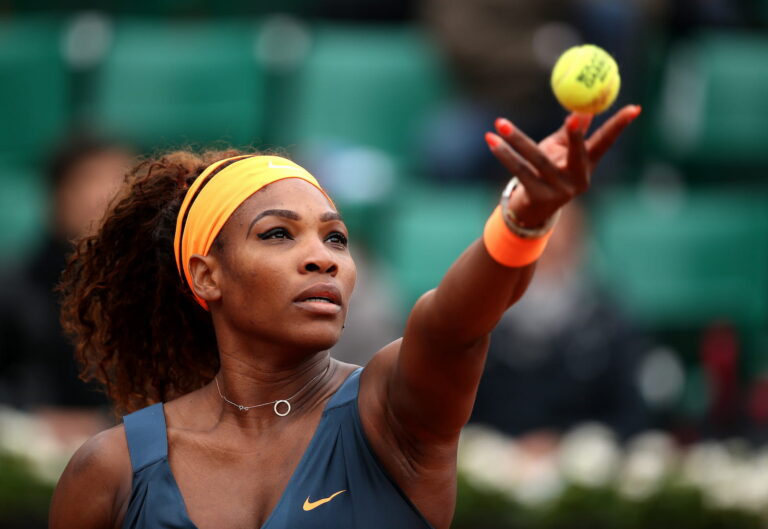
Your body can go through a lot of changes when dealing with menopause. Apart from night sweats, hot flashes, and brain fog, many people experience muscle loss and a decrease in their metabolism. Fortunately, you don’t have to simply sit there and lose much-needed muscle because your body is changing. With the right approach, you can build and keep the muscles you need to stay healthy.
Though you can start to lose muscle mass as early as your 30s, it’s more significant when menopause occurs. Studies show that you can lose five to 10 percent of lean muscle each decade. This can harm your health because maintaining lean muscle contributes to a healthier heart, stronger bones, fewer hot flashes, and a healthier metabolism. You’re also more likely to maintain proper balance and have less trouble carrying out your daily tasks.
The reason you lose muscle during menopause is directly linked to the major drop in your levels of estrogen. This hormone is important for building muscles and keeping them healthy. Studies also show that women’s muscles have special estrogen receptors that are essential in the process of regenerating muscle during exercise and after an injury.
Without the pre-menopause levels of estrogen in the body, you’re more likely to lose muscle mass and have trouble building it unless you take specific measures.
RELATED: From Symptoms To Solutions: What To Expect During Your First Year Of Menopause
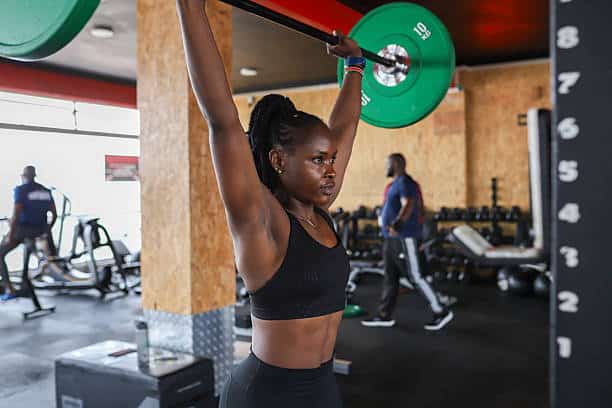
It’s important to note that exercise works best when you start gradually–especially if you’ve been relatively sedentary. If the exercise calls for weights, you should use the smallest ones and work your way up to larger weights. When working out, focus on maintaining the right form instead of trying to get a large number of reps. You should also include warming-up and cooling-down sessions so you don’t hurt yourself. Finally, you should always listen to your body. If you’re tired or feeling pain, it’s best to stop and rest.




RELATED: Menopause Symptoms: What To Expect





Exercise isn’t the only way you can fight the muscle loss that can come with menopause. According to health experts, changing your diet can help you, too. The key to maintaining muscle is eating the right amount of protein. Studies show that eating 25–30 grams of protein at each meal may protect against this loss of lean muscle mass.
As an older adult, you should also aim for one to 1.2 grams of protein per kilogram of your weight. If you’re really trying to build muscle, some experts even advise eating 1.6 grams per kilogram. Since this amount of protein might not be advisable for everyone, you should talk to your doctor before significantly elevating your protein intake.
Protein is great for muscle-building because it contains branched-chain amino acids (BCAAs) that help to build and maintain muscle. One of these BCAAs is leucine, and studies show you should aim to get leucine in your diet if you’re trying to build muscle. You can get a good dose of leucine by eating Swiss cheese, yellowtail fish, black beans, ham, dark meat chicken, roasted turkey, pumpkin seeds, roasted peanuts, firm tofu that’s prepared with calcium sulfate, and nonfat cottage cheese.
Generally, some great sources to add to your diet include dairy products, beef, eggs, seafood, chicken, and turkey. Some plant-based protein sources allow you to mix things up. These include legumes, beans, nuts, tempeh, quinoa, and tofu.
You may also consider including supplements in your routine that have been shown to help with building muscle. These can include creatine, protein powder, calcium, collagen, vitamin D3, and omega-3 fatty acids.
Although some muscle loss is expected during menopause, that doesn’t mean you can’t do anything about it. By combining the right diet changes and exercises, you can help your body retain muscle. However, it’s important to talk to your doctor before making any significant changes to your diet or routine. They’ll be able to pinpoint any potential issues that might affect your health or current medical regimen.


By subscribing, you consent to receive emails from BlackDoctor.com. You may unsubscribe at any time. Privacy Policy & Terms of Service.