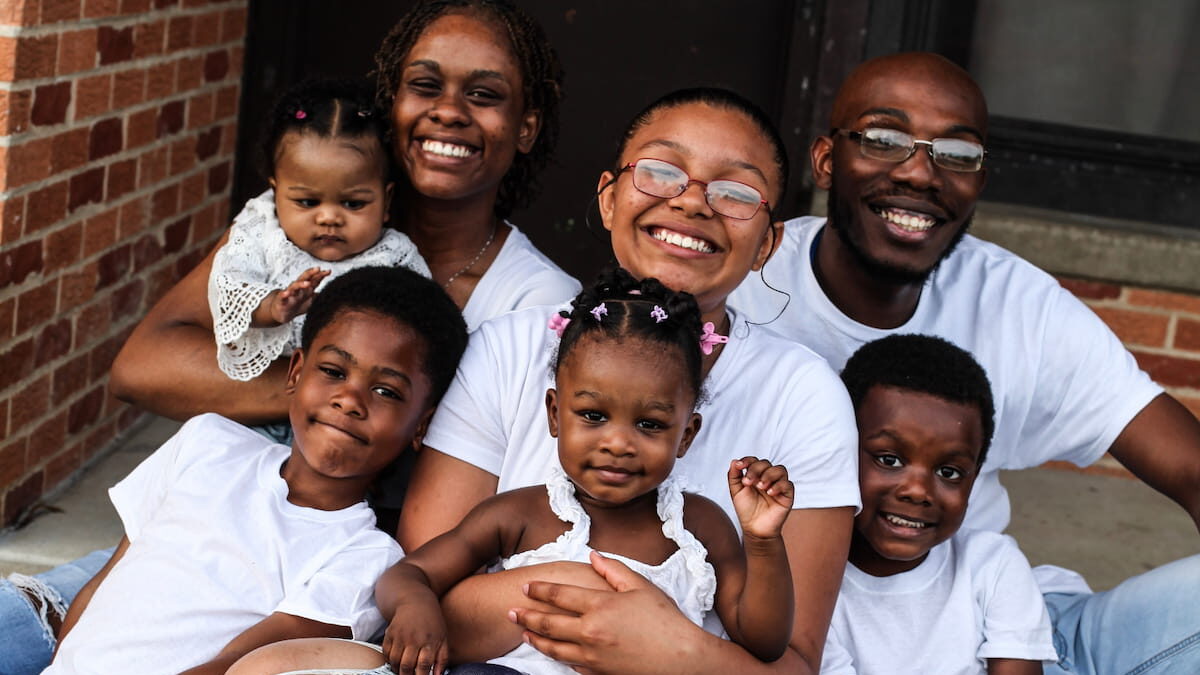
Imagine this: You go through the beautiful, life-changing experience of bringing a child into the world. But once your baby is here, you’re met with persistent sadness, feelings of inadequacy, and severe sleep difficulties that stop you in your tracks and leave you questioning your abilities as a mother.
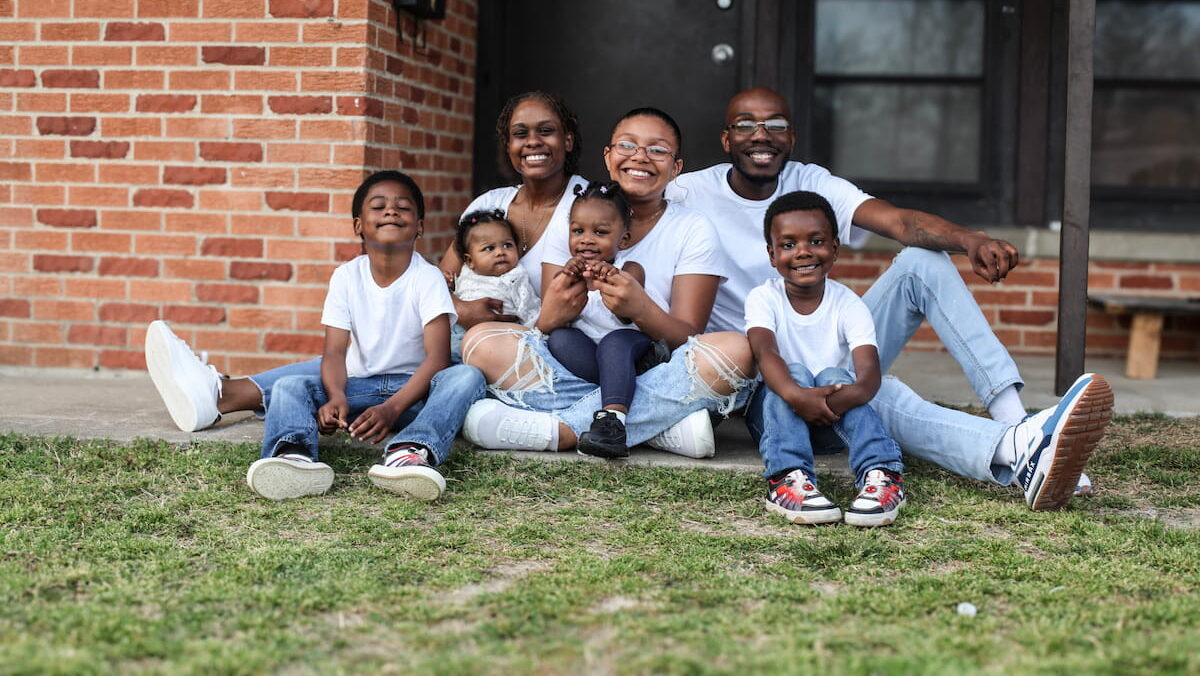
That was the reality for Saledda, a 27-year-old mother who welcomed her fourth child in 2025. Now, she’s sharing her story in hopes that other mothers will recognize the signs of postpartum depression (PPD) and understand that they are not alone.
“I really didn’t realize it was postpartum depression until after I had my second child and started comparing how I was feeling with him. It made me realize, ‘Oh, that’s what you were going through,’” Saledda tells BlackDoctor.
RELATED: “I Had to Find My Power Again”: What Helped Me Heal After a Traumatic Birth
Saledda recalls April 2019 as one of the most difficult times in her life. She was overwhelmed with sadness, lost her appetite, and struggled to care for herself while adjusting to life as a new mother.
“I ended up quitting my job because, being a single mom at the time, trying to find a reliable babysitter—someone I trusted without putting him in daycare—was really tough,” she says.
She felt helpless. The life she once knew suddenly looked completely different.
“It felt like everything was crashing down around me. Life was really tough back then,” she adds.
Fortunately, when her son was seven months old, she met her now-husband, whose support helped lift some of the weight she had been carrying.
“He was there to help me with my son. He helped me through the depression and through feeling helpless, like I had failed him. He showed me a different way of looking at things,” Saledda shares.
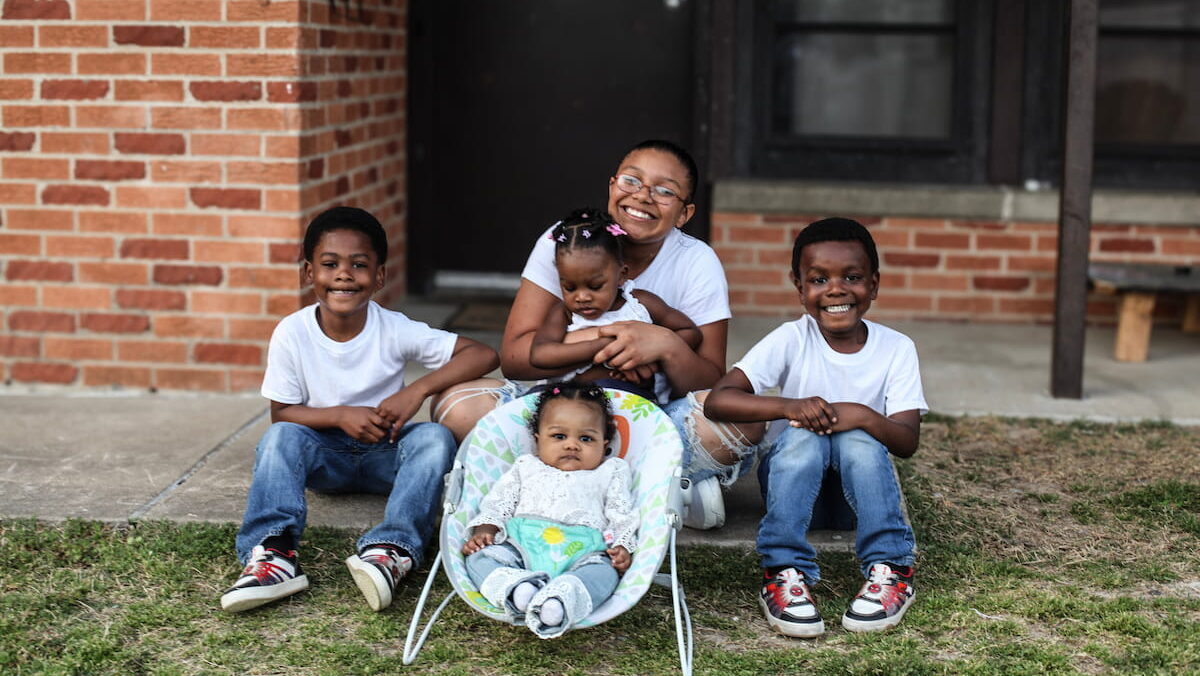
When her second son was born in 2021, Saledda decided to start therapy. Then, after the birth of her youngest child, she was prescribed ZURZUVAE, an FDA-approved oral treatment for postpartum depression.
At the time, she found herself trapped in a cycle of overthinking that made it difficult to function.
“[It] gave me a clear head because I overthink a lot, and that makes everything worse because my mind is constantly going. It never stops… My head became clearer, and I was finally able to sleep,” she explains.
She also noticed herself becoming increasingly angry and irritable but didn’t understand why. Therapy helped her process those emotions and learn healthier ways to cope.
“Just being able to talk to somebody outside of my household. Someone who legally couldn’t repeat what I told them unless I gave permission. Having someone who didn’t know me from a can of paint and being able to get everything out without being judged—that helped a lot,” she says.
When Saledda was finally diagnosed with postpartum depression, she describes the experience as liberating.
She felt heard. She felt validated. Most importantly, she didn’t feel like her concerns were being dismissed.
RELATED: “I Was in Labor for Two Days—and Didn’t Know It”: Why Speaking Up Can Save Black Mothers
Like many Black women, Saledda admits she initially gave in to the stigma surrounding mental health by lying on the anxiety and depression questionnaires during her doctor’s appointments.
“I used to lie on them and say I was okay when I wasn’t because I was scared. You see people on Facebook saying, ‘Don’t tell them that—they’ll take your baby because you’re crazy,’ and things like that,” she shares.
But that wasn’t her experience.
“My former OB knew I was struggling. She basically told me, ‘We’re not going to take your baby. If you’re struggling, you need to tell us so we can get you the help you need,’” Saledda recalls.
That’s when she finally admitted what she had been holding in:
“I’m not okay. I’m struggling.”
She believes the stigma surrounding mental health remains a major barrier in the Black community.
“I feel like, in the Black community, it gets swept under the rug a lot because we’re taught to be strong. Even Black men are taught to hide their feelings, not cry about it, put on a smile, and just keep pushing until the next day,” she says.
“People tell you to pray about it and read the Bible, and there’s absolutely nothing wrong with praying or reading the Bible. But a lot of times, that’s all you hear in the Black community. They tell you to turn to God, and they make therapy seem like it’s a bad thing, like therapists aren’t really helping you, and that’s just not true.”
RELATED: ‘My Daughter Saved My Life’: How I Turned My Darkest Moment Into Hope for Thousands
Moving forward, Saledda hopes more people—especially in the Black community—will embrace therapy as part of their healing journey.
“It’s good to have somebody to talk to who doesn’t know you personally. They’re not there to judge you, and they can’t go around telling your business. Unless they believe you’re in danger or need a higher level of care, they’re going to keep what you share confidential. And even then, they’ll tell you, ‘I think you need more help,’” she explains.
She also hopes people will respond to struggling mothers with compassion instead of judgment.
“They should meet you with a hug, with compassion, sincerity, love, and patience. That’s what we really need,” Saledda says.
“You have a whole new life depending on you. It’s not just about taking care of yourself anymore. You have someone else to feed, bathe, and care for. You barely sleep because you’re constantly checking to make sure your baby is okay, making sure they’re still breathing. I just feel like, in the Black community, we need to build a stronger community rooted in love, patience, and compassion.”
Saledda’s advice for other mothers struggling with postpartum depression is simple: let go of the pressure to be “Super Mom” and ask for help.
“I always want to do everything because I feel like I can. I feel like I’m Super Mom and I can take on everything. Then, in the end, I’m overstimulated and breaking down crying in the shower because it’s hard—all because I didn’t want to ask for help,” she says.
While asking for help can feel like a sign of weakness, she says it’s actually one of the strongest things a mother can do.
“You’re not weak. There’s nothing weak about asking for help when you need it,” Saledda adds. “It doesn’t make you less of a mom. It doesn’t make you less of a woman. It doesn’t make you less of anything. That’s where we go wrong—not asking for help.”
Throughout her healing journey, Saledda has also found comfort in creating content and simply making the effort to get up and get dressed each day.
“I didn’t ignore what I was feeling, but I was able to pick myself up, turn on the camera, clean my house, fold laundry, and make those little ‘watch me make my kids breakfast’ videos. Sometimes I even talked about what I was going through,” she says.
“Even if I wasn’t going anywhere, I’d still get up, get dressed, do my hair. I don’t really wear makeup anymore, but I made myself feel good. If I looked good, I felt better.”
Although this most recent experience with postpartum depression has been the hardest to overcome, she’s taking it one day at a time.
“I really believe that when you look better, you feel better,” Saledda shares. “There was a point where I’d look in the mirror and didn’t recognize myself anymore. That was my biggest issue. I used to smile all the time. I always had a smile on my face. Then it got to the point where I wasn’t smiling at all. I just looked angry at the world.”
Not wanting her daughters to grow up believing that was normal, she decided it was time to make a change.
“I didn’t want that, especially for my daughters. I don’t want them growing up thinking that’s how they’re supposed to feel. I want them to grow up feeling beautiful and confident, and I don’t want them to have to go through what I’ve experienced with postpartum depression,” she adds.
There was a time when Saledda believed her children would be better off without her. Today, she knows that couldn’t be further from the truth.
“I know the pain of growing up without your mom, and I would never want my children to experience that,” she says.
Now, she’s focused on becoming someone both she and her children can be proud of.
“I want to look back and say, ‘I was strong. I got through it. I asked for help when I needed it, and I made it,’” she concludes.

By subscribing, you consent to receive emails from BlackDoctor.com. You may unsubscribe at any time. Privacy Policy & Terms of Service.