For many Black mothers, the journey of bringing new life into the world comes with a heavy, unspoken burden: higher rates of traumatic births, severe postpartum depression and anxiety, and systemic barriers to culturally competent care.
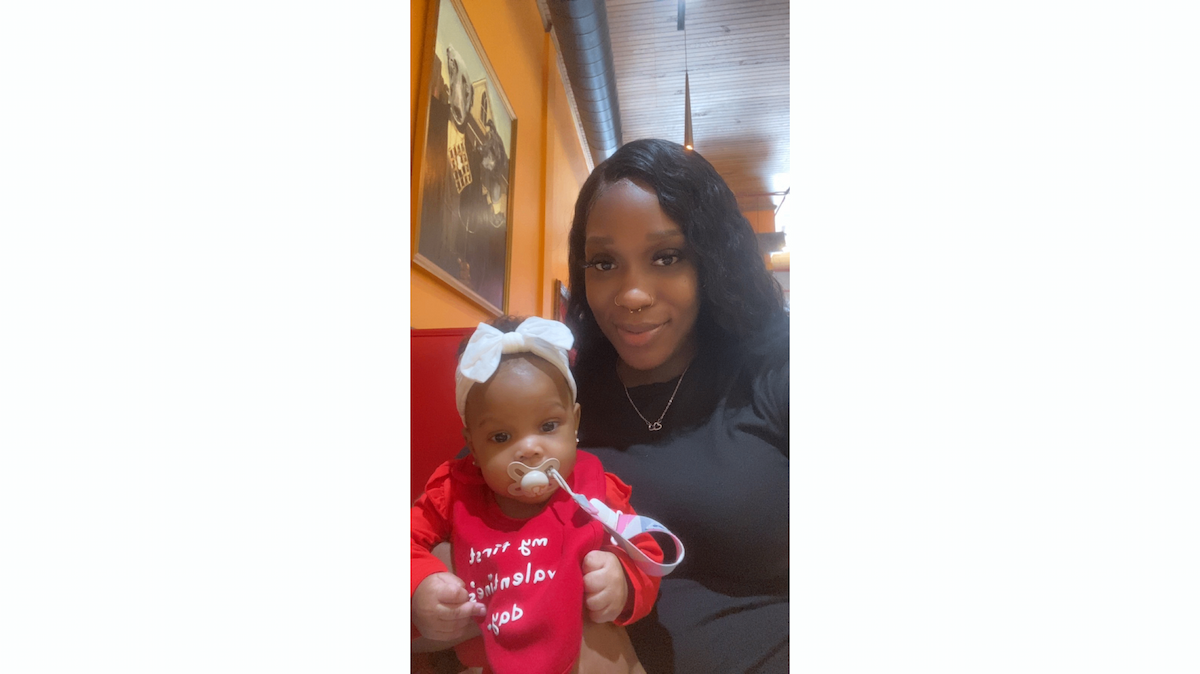
For Cscesly Roberts, a 35-year-old mother of three from Chicago, the vulnerability set in when she noticed the stark difference in her body compared to her last pregnancy, 15 years prior.
“My body changed, my mind changed, and obviously my experiences and priorities compared to my last pregnancy were totally different,” Roberts tells BlackDoctor. “For me, it was very hard. It was beautiful, and it was very traumatic.”
RELATED: ‘My Daughter Saved My Life’: How I Turned My Darkest Moment Into Hope for Thousands
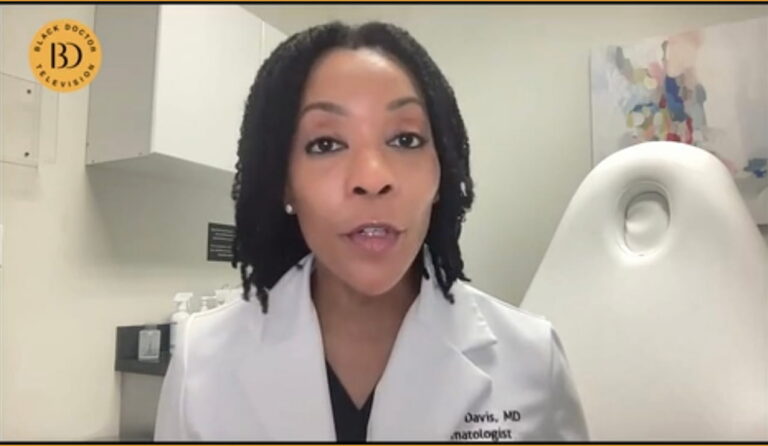
Addressing these disparities requires a close look at the root causes impacting Black mothers. Dr. Glen Davis, Chief Medical Officer at Aetna Better Health of Illinois, notes that many of these challenges are structural.
“When you look at the numbers, look at the data certainly… some of that is really structural,” Dr. Davis explains. “It’s within society, it’s structural drivers of health—so social and structural drivers of health. And that’s what we look to help our members manage, whether it be finding behavioral health resources in the community, or diagnosing gestational diabetes or pre-eclampsia earlier and providing blood pressure cuffs, continuous glucose monitors, [and] food for members during pregnancy. All the things that we can do to help remove some of those barriers to have a healthy, successful pregnancy.\
RELATED: “I Was in Labor for Two Days—and Didn’t Know It”: Why Speaking Up Can Save Black Mothers
The hardest part for Roberts was navigating the early stages of her pregnancy largely on her own. After giving birth, the physical toll left her temporarily unable to manage daily care for herself and her newborn daughter.
“Not having support and knowing that I was alone put a lot of pressure on me. I was already suffering from depression and anxiety before my pregnancy, but it became worse,” Roberts adds.
When she found herself crying constantly, she recognized the critical need to seek help.
“I didn’t want to put so much of that on the child I was carrying because, as women and as mothers, our children feel everything that we feel. I wanted to be better for her. I wanted to experience my pregnancy in the most positive way that I possibly could,” Roberts says.
To combat these challenges, Dr. Davis emphasizes the importance of prioritizing maternal mental health well beyond the delivery room.
“One thing that we want to do is make sure that every one of our pregnant enrollees has a care manager engaging with them, ideally every trimester, at least to make sure that things are going well,” Dr. Davis shares. “During those assessments, that can be a touchpoint for us to help detect any mental health conditions that may arise… It is being with that member throughout the journey; that’s really key for us to minimize the effects of mental illness, which can arise.”

Roberts found foundational support through Aetna Better Health of Illinois, which she credits for helping her stabilize her life before her daughter was born.
Because she had been working part-time and her job did not offer adequate maternity leave, she had to step away from work.
“The benefits… were amazing for me because I wasn’t working. It was a struggle… Not having any income coming in, those benefits helped tremendously. They helped me afford diapers and groceries. They also gave gift cards for my other two children. I was able to get uniforms for school through the school program. The CVS gift cards, which were $25 each month, helped me buy household essentials that I needed for me and my children,” she notes.
These resources did more than bridge a financial gap—they became an outlet as she navigated the mental hurdles of postpartum depression. By engaging with the program’s community initiatives, Roberts stepped into a leadership role.
“By participating with them, I ended up leading parenting groups. I was recognized for my leadership. I was able to share my personal experience with other moms. I was able to teach and educate other moms about communicating with their children before they start school,” Roberts shares.
That experience ignited a new professional spark. “I wanted to continue pushing myself as a single mother and as a Black mom. It empowered me to want to do more,” she says. “Aetna really helped me put all the pieces together with the benefits, the support, and the resources.”
Today, Roberts is CPR certified and works as a teacher-in-training at the same childcare center her daughter attends. She is currently working toward her CDA (Child Development Associate) credential, with plans to open her own daycare in the future.
“I’m very excited about that. My goal over the next five years is to open a small in-home daycare for myself so I can build something for my children,” she shares.
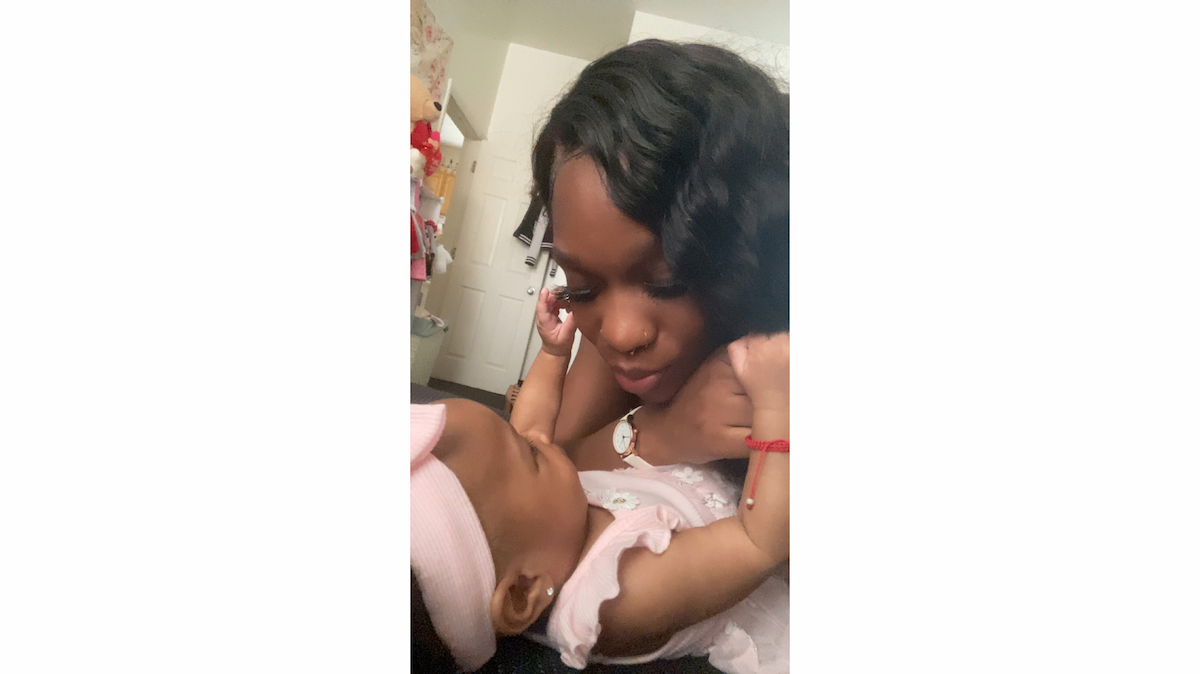
Roberts also highlights the life-changing impact of doula care, which proved essential throughout her pregnancy and postpartum journey.
“As a mother, a pregnancy doula walks with you and listens to all of your concerns. They make it all about you, and that was really important for me because I wasn’t getting that support elsewhere,” she adds. “The doula helped me explain how I wanted my delivery to go because, sometimes, when you go to the hospital to give birth, the doctors and nurses tell you how things are going to happen. The doula is your voice.”
Working alongside her doula helped Roberts build a birth plan, advocate for herself in clinical settings, and navigate the complexities of a high-risk pregnancy.
“She became like part of my family,” Roberts explains. “She was there before the birth, while I was having problems, and she was there after the birth, too. We built a great connection… A lot of times when we’re pregnant, we have so many different emotions, and we don’t know where to put them all. She helped me balance everything.”
Dr. Davis points out that more healthcare systems now support non-traditional care teams like doulas and lactation consultants to make sure mothers get the help they need. He also stresses how important it is for mothers to speak up for themselves and mentions the Hear Her campaign as a good resource for mothers.
“We still want to coach them on how to make sure that the concerns, the complaints that they have are actually heard by their provider—really teaching them to advocate for themselves when they’re in these healthcare settings to make sure they get the care that they need,” Dr. Davis explains.
Offering advice for patients in the exam room, Dr. Davis adds, “Sometimes you need to say it more than you have back pain, or you’re having lightheadedness, whatever it may be. You can’t just say it once; you just say it again and again… Say it over and over until they finally address it. I think that’s very important.”
Roberts encourages expectant mothers to get a doula, not just for labor, but for full support and advocacy throughout their journey.
“Even after I had my daughter, she was still around. She was still able to provide me with materials that I needed for my daughter as well,” Roberts notes. “When I was at my lowest point and trying to heal, she was there…. A lot of times when women have babies, everyone always asks how the baby is doing, and no one asks how mom is doing. My doula was most concerned about me—what I needed and how I was doing physically and mentally. She played a very important part in my life, and I’m very grateful.”
Roberts’ message to other mothers is rooted in resilience: Don’t give up on yourself.
“Continue to keep pushing yourself. Continue to strive for greatness, no matter how small you think your progress is,” she concludes. “Have that confidence. Know that you can do it no matter what obstacles come your way, no matter what other people say. Always believe in yourself. Believe that you can do it, and just never give up. Keep going. And reach out. Be willing to ask for help because it’s life-changing. It changes your confidence, and it changes the way you look at everything.”
Looking ahead, Dr. Davis advises members to utilize all available value-added benefits—such as transportation support, meal services, over-the-counter allowances, and pregnancy reward programs—by visiting the Aetna Better Health of Illinois website.
Meanwhile, Roberts is continuing to build a stable, empowered future for her family. Beyond launching her own daycare, she ultimately hopes to become a pediatric behavioral health specialist within the next 10 years.


By subscribing, you consent to receive emails from BlackDoctor.com. You may unsubscribe at any time. Privacy Policy & Terms of Service.