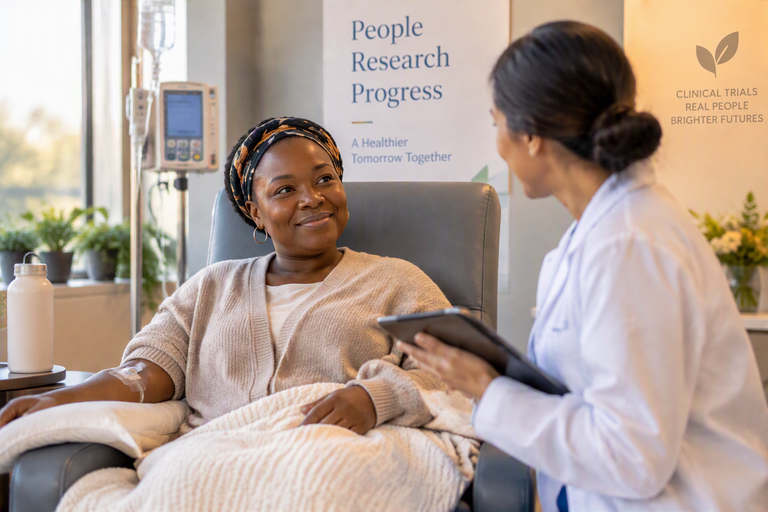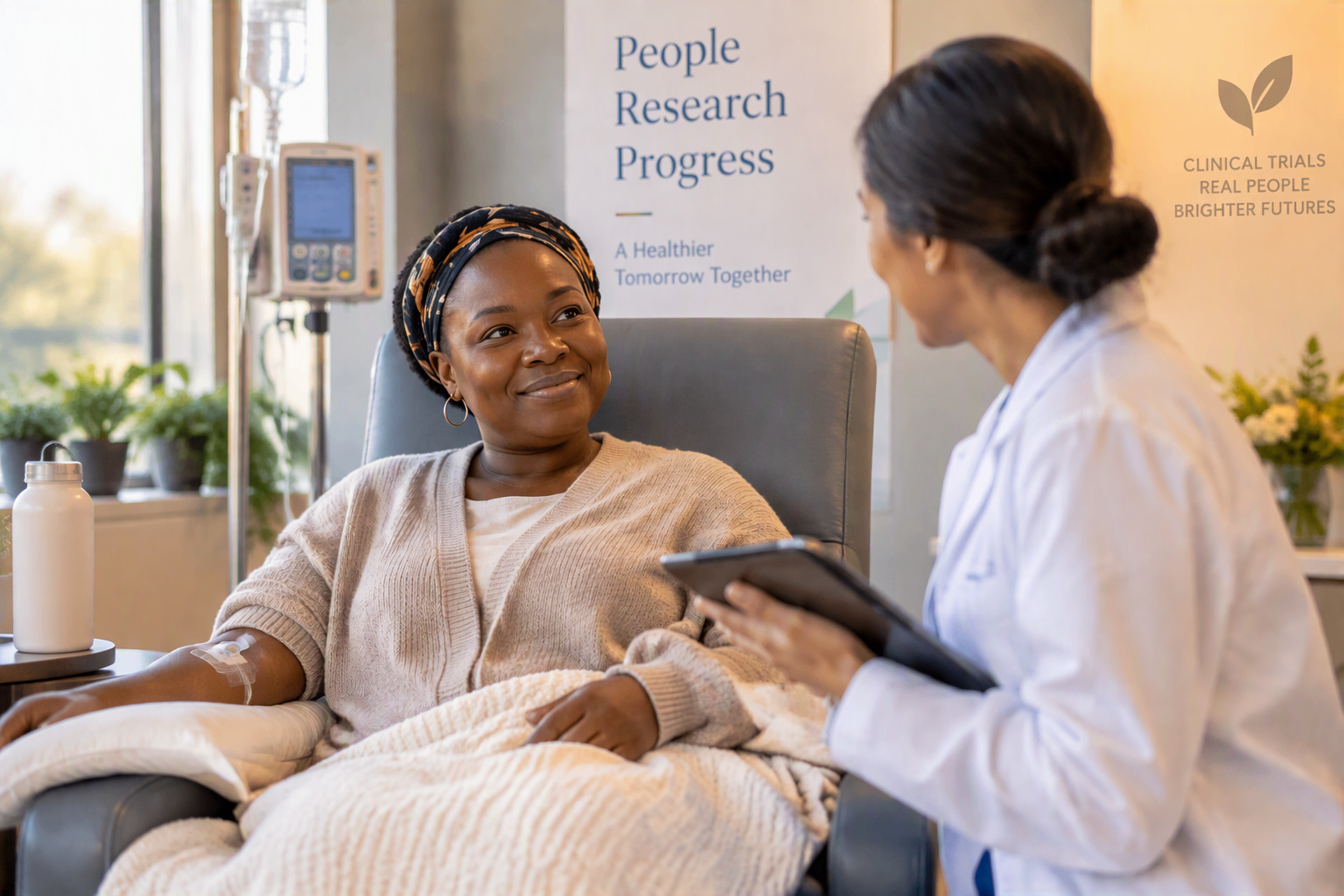
When you pick up a new medication at the pharmacy, you can trust its safety and effectiveness because thousands of people participated in clinical trials for it.
To ensure a drug or treatment is safe for everyone, medical research requires a diverse group of participants and volunteers. For Black communities, participating in a clinical trial can benefit not only one’s own health but also the health of those around them.
There are seven main types of clinical trials: treatment, prevention, diagnostic, screening, quality-of-life (supportive and palliative care), behavioral, and observational studies. Keep reading to learn what these trials involve and how you can participate.
To determine the efficacy and safety of a new medication or treatment, medical researchers conduct clinical trials with human volunteers. Participant safety is paramount, and clinical trials must be approved by both the U.S. Food and Drug Administration (FDA) and an Institutional Review Board (IRB). Some trials offer access to new medical treatments and care, while others may offer financial compensation.
Requirements for who can join a clinical trial vary by trial and its specific eligibility criteria, and a diverse group is vital to ensure representation across all types of individuals.
Selda Samakoglu, MD, PhD, is an oncologist, researcher, and the Chief Medical Officer at Aveta Biomics. She notes that participation requirements will “depend on the study.”
“Some are for people with a particular illness, while others welcome healthy volunteers or people at higher risk of developing a disease,” Dr. Samakoglu tells BlackDoctor. “The research team considers a person’s diagnosis, previous treatments, and overall health to see whether the study is appropriate for them.”
RELATED: Why Black People Are Underrepresented in Clinical Trials
The seven main types of clinical trials cover a wide range of research, from early disease detection to testing experimental medical devices or surgical methods. Most are interventional; some are observational. If you are interested in participating in a clinical trial, thoroughly research the specific type and, with your doctor’s guidance, make sure it is the right choice for you.
Treatment clinical trials are the most common type of clinical trial. These interventional research studies typically test experimental surgical or radiation therapy, medical treatments, or medication in patients who already have a condition. Common conditions tested in treatment clinical trials include cancers, cardiovascular diseases, neurological disorders, infectious diseases, and more.
Benefits can include receiving personal medical care and access to new treatments.
Prevention clinical trials are designed to prevent disease before it develops. These can include action studies, which test whether a behavioral change can alter disease risk, or secondary prevention, which prioritizes stopping a disease from progressing or recurring. Common tested conditions include cancer, cardiovascular disease, dementia, and infectious diseases.
Participants may experience reduced risk and access to healthcare experts.
In a diagnostic clinical trial, medical researchers evaluate new tests, tools, or procedures for identifying diseases. This includes imaging techniques like CT scans or MRIs, clinical assessment tools, genetic testing, biomarkers, and lab tests. The primary goal is to confirm or rule out a diagnosis.
Potential benefits of participation include early detection, expert health monitoring, and lowered financial burdens for treatment.
Like diagnostic clinical trials, screening clinical trials test ways to detect disease early, before symptoms appear. This can include diagnostic test trials, comparative screening trials, or cost-benefit trials. However, screening trials detect disease in patients without symptoms, while diagnostic trials test participants who already have symptoms. Common diseases tested in this trial include cancer, cardiovascular diseases, metabolic diseases, and infections.
Participants may benefit from early detection and disease prevention through rigorous health evaluations.
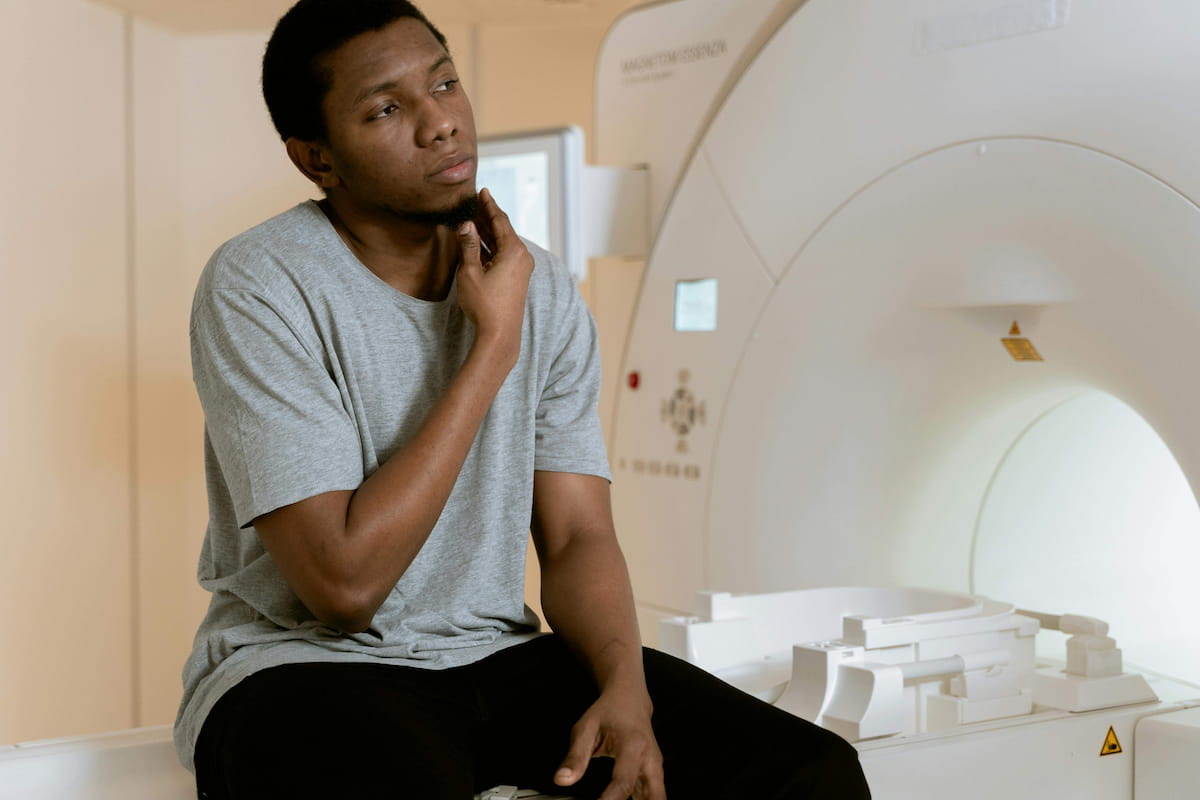
Quality-of-life (or supportive care) clinical trials are intended to improve a patient’s comfort and day-to-day functioning. This includes factors like symptom management, emotional support, and even digital health support. These clinical trials often focus on side effects related to cancer, end-stage renal disease, and cognitive dysfunction caused by neurological disorders.
Participating in these trials can provide consistent medical assessment, support, and symptom relief.
Unlike the clinical trial types above, behavioral clinical trials focus on non-pharmaceutical interventions. They study actions and behaviors that impact health, such as physical activity, sleep health, substance use, social support, and diet. This can include testing interventions like therapy, lifestyle changes, or digital tools.
Participating in a behavioral clinical trial may open doors for new interventions and health monitoring, and some could offer financial compensation.
Unlike the studies above, observational studies involve researchers observing participants without assigning treatments. No medications or interventions are involved; researchers record the subjects in their natural environment. Observational studies can track exposure to environmental factors such as smoke, diet, or pollution, and measure how a condition may change over time.
Unlike other study types that involve medication or treatment interventions, observational studies are less invasive and won’t affect the participant’s routine. The main benefit of an observational study is its low risk.
Clinical trials are comprised of different phases. If you join a clinical trial, you typically participate in only one phase. Some phases may take a few months, while others may take only a few weeks.
In the initial phase of a clinical trial, researchers are focused on safety, dosing, and side effects. They will test a small group of participants, usually fewer than 100.
In Phase 2, researchers expand the group to about 100 to 300 individuals and continue testing safety, efficacy, and side effects.
In this phase, the drug or treatment is now administered to a much larger group of people, around 1,000 to 3,000. In this phase, researchers compare the treatment with other standards of care, monitor for side effects, and continue to track participants.
The FDA has approved the drug, and it can now be sold to the public. This phase can last for decades as researchers continue to monitor the treatment’s efficacy and long-term safety.

Medications and treatments can affect individuals differently. If medical research relies on, or recruits only, a specific subset of people, it cannot accurately generalize results to the broader population. Clinical trials need broad participant representation to best serve their communities.
Joseph Mikhael, MD, Medical Advisor for the International Myeloma Foundation, an IMF Scientific Advisory Board member, and a member of the IMF’s International Myeloma Working Group, further explained the importance of diversity.
“When certain populations are underrepresented in clinical trials, they have less access to potentially lifesaving treatments,” Dr. Mikhael says. “Researchers also have less information about how these therapies work in different patient populations, making it difficult to determine whether the results apply to everyone — both for efficacy and for safety.”
Dr. Samakoglu spoke about her experience working with underrepresented patients.
“When I talk with a patient about a treatment, I want to be able to draw on research that included people like them,” she says. “Black patients and other communities have too often been underrepresented, leaving gaps in what we know about how treatments work and the side effects people may experience. As researchers, we need to listen to patients, earn their trust through honest conversations, and make participation easier by addressing challenges such as transportation, language, and time away from work.”
RELATED: The Hidden Costs of Missing Diversity from Clinical Trials
If you or a loved one is interested in participating in a clinical trial, here are a few resources to consider:


By subscribing, you consent to receive emails from BlackDoctor.com. You may unsubscribe at any time. Privacy Policy & Terms of Service.