In the United States, the statistics are troubling: Black women are three times more likely to die from pregnancy-related causes than white women. According to the 2026 Black Mamas Matter Alliance (BMMA) Fact Sheet, there is a mental health crisis within this gap. Up to 40 percent of Black women experience postpartum depressive symptoms, which is nearly double the rate for white women. About 20 percent of maternal deaths are linked to suicide, but Black women are much less likely to be recognized or treated for these issues. Each number represents a mother, a baby, and a community that deserves more than just survival. They deserve the chance to thrive.
During Black Maternal Health Week, we need to focus on moving from crisis to care. Real change begins when we give power back to the community.
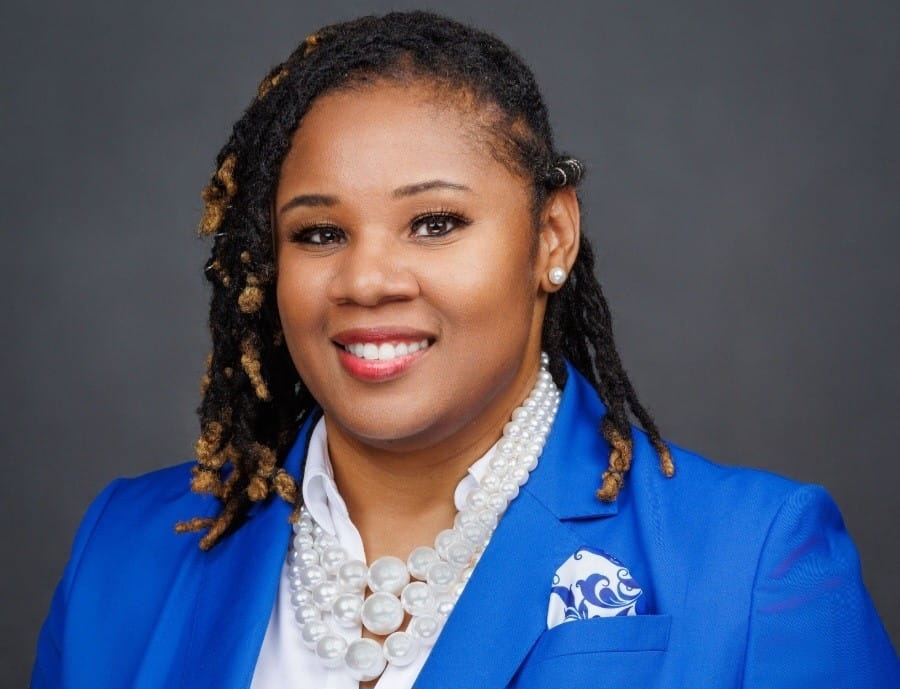
BlackDoctor spoke with Keyonna Tompkins, Program Manager for Maternal Health & Chronic Disease at the South Side Healthy Community Organization (SSHCO) on the South Side of Chicago, to discuss how her team is disrupting the status quo. From a groundbreaking model that extends postpartum support to a full year to the life-saving advocacy of doulas, this conversation is a blueprint for reclaiming our health. Tompkins also opens up about her own journey with a high-risk pregnancy, offering essential wisdom on how to turn “feeling something” into “saying something” when it matters most.
We’re acknowledging Black Maternal Health Week, and the timing couldn’t be better. We know the South Side of Chicago faces unique challenges, but you’re running a model there that’s actually moving the needle. Can you walk us through how you’re transforming care for our community?
I have to start with our organization, the SSHCO (South Side Healthy Community Organization). We are a non-profit transforming how healthcare is delivered on the South Side of Chicago. We offer a care coordination system of Community Health Workers and Nurse Care Coordinators who deliver healthcare and social services to residents between the ages of 18 and 64 who either have Medicaid or are uninsured.
In maternal health, we start the moment someone becomes pregnant. Our system utilizes workers and nurses who handle both the clinical side and healthcare planning. These individuals ensure our residents have access to transportation, housing support, and healthy food in “food deserts.” One of the most vital pieces of our service is behavioral health. Many of our moms go through periods of depression or mental health concerns, so we offer referral services to ensure they are supported.
Our care coordinators connect residents with specialists, such as cardiologists and maternal-fetal medicine practitioners, for our high-risk pregnancy population. This organization was born out of necessity; many hospitals and labor units on the South Side were closing. Thirteen hospitals and Federally Qualified Health Centers (FQHCs) came together to create this ecosystem of care.
One service I love to boast about is our doula program. We partner with local organizations to provide emotional support and advocacy so patients can have a healthy, safe pregnancy. Notably, these services aren’t just for the prenatal phase—our doula support extends up to one year postpartum. We also offer parent education through our app, “Baby 360,” and fatherhood services, including job assistance and bonding classes. Our model is all about integrated services; we want to reach as many people as possible right in their homes.
You mentioned the importance of doula support. Can you talk about what they offer to pregnant women and their partners in terms of advocacy?
Doulas play an integral part in the pregnancy journey. It is about support, guidance, and giving patients the opportunity to take part in their own care. They teach moms how to speak up in appointments or at the hospital and how to advocate for their birth plan.
It’s about ensuring we have the “right fit” for the patient because this is a long-term, intimate relationship. Doulas provide a physical, hands-on approach—they are in the home, in the hospital, and at prenatal and postpartum appointments. We’ve seen the disadvantages of not having a doula; the benefit of having that support is worth it. At SSHCO, our doula services are integrated with maternal-fetal medicine to ensure patients have wraparound services that lessen their stress and burdens.
RELATED: What Black Expectant Mothers MUST Know About Their Rights (According to a Doula)
You also mentioned chronic conditions like hypertension and diabetes. Can you talk about the work you’re doing in that space?
We provide maternal-fetal medicine consultations and ultrasound units on-site at several of our health centers. This is unique to the South Side, as these specialists are usually only found in large hospitals. By bringing the equipment to the community, we decrease disparities.
Many of our moms enter pregnancy with diabetes or hypertension, or they develop gestational issues. Our doula services address the social factors surrounding these conditions, including nutritional education and stress reduction through physical touch. It is crucial that our moms receive these services so they feel seen, supported, and advocated for throughout the process.
Postpartum care is often neglected once the baby arrives. Can you talk about the importance of continuing support after birth?
We have increased our care window to 12 months, and I am ecstatic about that. We have to be aware of the “baby blues,” but also more serious concerns. We want to ensure patients are educated on the care they are entitled to. In Chicago, having postpartum care for a full year allows us to provide behavioral health support and wellness checks with primary care physicians.
We see our patients at three weeks, six weeks, and do a two-month follow-up to check for signs of depression or postpartum hemorrhage. Many times, the system fails to provide intensive care after the initial birth, so we ensure the mom continues to be supported.
RELATED: My Horror Story: I Held My Newborns, Then Everything Went Black
Are there specific physical warning signs Black women should be aware of during those 12 months?
Definitely, the biggest signs are fatigue, increased heart rate, weight fluctuations, dizziness, and high blood pressure. Many people don’t realize these physical signs are indicators of what’s happening with their overall health.
We have a remote patient monitoring program for our high-risk patients. They are taught how to take their blood pressure and monitor their heart health at home. This allows us to catch any risks early and hopefully prevent repeat hospital visits.
How can partners, fathers, and friends step up to actually reduce a mother’s stress?
The best thing the “village” can do is allow the mother to be seen and heard. Often, family and friends impose their own views on a new mom. Instead, allow her to experience and express what she is feeling.
Practical support is huge—cooking, cleaning, and taking over chores so the mom can focus on the baby and her own recovery. For providers, I suggest taking five minutes to really hear the patient’s symptoms. Being present gives moms the autonomy to have control over their own bodies and lives.
Advocacy is a skill. For the mom sitting in an exam room feeling intimidated, how does she start that conversation?
No question is a “crazy” question. I learned this through my own journey. Even though I worked in this field, I didn’t ask certain questions because I thought my symptoms were “normal.” I was in labor for two days and didn’t know it, and I gave birth 13 weeks premature.
I saw the warning signs—the back pain, the headaches—but I didn’t express them to the doctors. It is so important to be candid with your providers. Ask, “How can I be a part of this conversation?” and “What symptoms should I be concerned about?” If your body is saying something, you need to say something. Every pregnancy is different, so if you feel something, say something.
If a woman tries to advocate for herself but feels dismissed, what are her options?
You have the right to explore your options, choose your doctor, and access your medical records. You can speak to a manager on-site to express your concerns. Sometimes there is unconscious bias, or the system simply doesn’t give providers enough time.
That is why we integrate Community Health Workers and doulas—to support the entire family and help the patient utilize their rights. If a physician is not the right fit, you can request a new provider. Our doulas are there to assist with that process and advocate on behalf of the patient.
Culturally competent care is often the missing link. How do you build trust in a community that has historically been let down?
It starts with our doulas and health workers. We chose partners within the community who look like our moms and share their experiences. Having a trusted provider who can relate to you breaks down barriers and reduces fear.
Trust is built through a care plan that addresses the patient’s clinical and personal goals—whether that’s managing a condition or going back to school. We walk them through the process. Once we provide these services and patients feel heard, they start to trust the system again.
As we acknowledge Black Maternal Health Week, what is your final word of advice for our community?
Seek care early. Build a village of support that lasts through pregnancy and beyond. Educate yourself—even if the pregnancy is unexpected, get the resources early.
When you see a physician, ask your questions. “White coat syndrome” is real, but you shouldn’t be scared because you think they have more education. Take those blinds off and speak to your doctor like you would speak to a friend or partner. The more information they have, the better your plan will be. Stay educated, speak up, and lean on your support.
This interview has been edited for length and clarity.
Sign up for services
More information about SSHCO’s doula services
SSHCO’s doula partner
Chicago Black maternal health information
National Health Information & Research


By subscribing, you consent to receive emails from BlackDoctor.com. You may unsubscribe at any time. Privacy Policy & Terms of Service.