A widely used anti-anxiety medication has recently made headlines across the United States—not because of a breakthrough, but because of a recall. The drug, commonly known as Xanax (alprazolam), is one of the most prescribed medications for anxiety and panic disorders. The latest recall raises important concerns not only about medication safety, but also about how deeply anxiety affects millions of Americans—especially within the African American community.
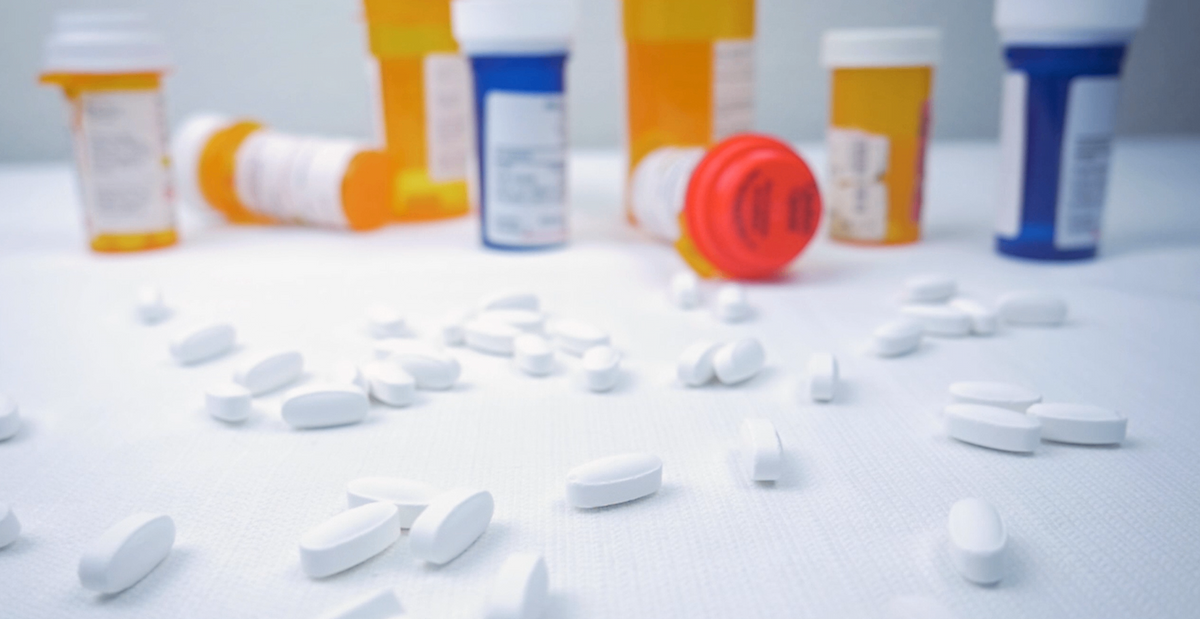
In April 2026, a nationwide recall was issued for a specific batch of Xanax XR (extended-release alprazolam) distributed by pharmaceutical company Viatris. According to the U.S. Food and Drug Administration (FDA), the recall was triggered because the medication failed “dissolution specifications.”
In simpler terms, the tablets may not break down properly in the body. This is critical because:
The recall specifically affects:
The FDA classified this as a Class II recall, meaning the issue could cause temporary or medically reversible health effects, but is unlikely to cause permanent harm.
Importantly, generic versions of alprazolam—what most people are prescribed—are not affected.
At first glance, a recall without reported injuries might seem minor. But in healthcare, especially mental health treatment, consistency is everything.
Xanax works by calming the central nervous system. If the medication:
Even small inconsistencies can disrupt treatment.
People taking Xanax often rely on it during:
A faulty dose could mean the difference between stability and crisis.
Medication recalls—especially for widely used drugs—can erode trust, particularly in communities that already face disparities in healthcare access and outcomes.
Xanax (alprazolam) belongs to a class of drugs called benzodiazepines, which act on the brain’s neurotransmitters to produce a calming effect.
Xanax enhances the effect of GABA (gamma-aminobutyric acid), a neurotransmitter that slows down brain activity. This leads to:
Doctors typically prescribe Xanax for short-term use because of risks such as:
The FDA has even issued boxed warnings—its strongest caution—about benzodiazepines due to risks of misuse, addiction, and dangerous interactions (especially with opioids).
Anxiety disorders are among the most common mental health conditions in the U.S.
But these numbers don’t tell the full story—especially when it comes to racial disparities.
While anxiety affects all populations, its impact, recognition, and treatment look very different in the Black community.
Research consistently shows that African Americans are:
This doesn’t mean anxiety is less prevalent—it often means it is less recognized or less reported.
Several factors contribute to this gap:
Mental health struggles are sometimes viewed as:
Historical injustices (like the Tuskegee study) contribute to:
African Americans often face additional stressors that can increase anxiety risk:
These factors can lead to higher psychological strain, even if it’s not formally diagnosed as an anxiety disorder.
In the Black community, anxiety may be more likely to appear as:
Because these symptoms may not be immediately labeled as “anxiety,” people often:
Anxiety can manifest in many ways, and in several related diagnoses. They include obsessive-compulsive disorder (OCD), post-traumatic stress disorder, phobias, and generalized anxiety disorder. The common symptoms include:
Over time, anxiety can affect a person’s health. Some researchers argueTrusted Source that Black Americans experience weathering. This is a long-term erosion of mental and physical health due to chronic trauma, stress, and racism.
If you or someone you know takes Xanax:
Look for:
This recall is precautionary, and no serious harm has been widely reported.
They can:
Stopping Xanax suddenly can cause:
Always consult a healthcare provider first.


By subscribing, you consent to receive emails from BlackDoctor.com. You may unsubscribe at any time. Privacy Policy & Terms of Service.