Menu

ASCO 2026 Highlights: Why More Cancer Survivors Are Turning to Yoga for Better Rest

Table of Contents
ASCO, cancer survivors

For millions of cancer survivors, life after treatment can still be challenging. As many as 95 percent struggle with serious sleep problems, and more than half deal with ongoing mood changes, anxiety, or fatigue.

New phase III data shared at the 2026 American Society of Clinical Oncology (ASCO) Annual Meeting point to a strong, drug-free option for relief.

A large nationwide study found that a gentle, structured yoga program can help cancer survivors feel less anxious, improve their mood, and reduce fatigue. These changes also help people sleep better.

Featured on BlackDoctor

Tackling Four Side Effects at Once

For people already taking several medications, adding more pills for long-term side effects can feel like too much. This study shows there is a practical, drug-free alternative.

“This large, randomized study shows that structured yoga may help relieve some of the most consistently reported and hard-to-treat issues in cancer survivorship, leading to decreased insomnia,” said Fumiko Chino, MD, a cancer researcher and associate professor at MD Anderson Cancer Center and an ASCO Expert. “It’s an important advance because it offers survivors, who are likely already managing multiple medications, a non-pharmaceutical solution for reducing four different side effects at once.”

What Is the YOCAS Trial?

The study focused on a program called Yoga for Cancer Survivors (YOCAS). Created by researchers, including lead author Yuri Choi, PhD, MSN, RN, from the University of Rochester Medical Center, YOCAS is a four-week program that includes:

  • 18 gentle Hatha and Restorative yoga poses, using props for support.
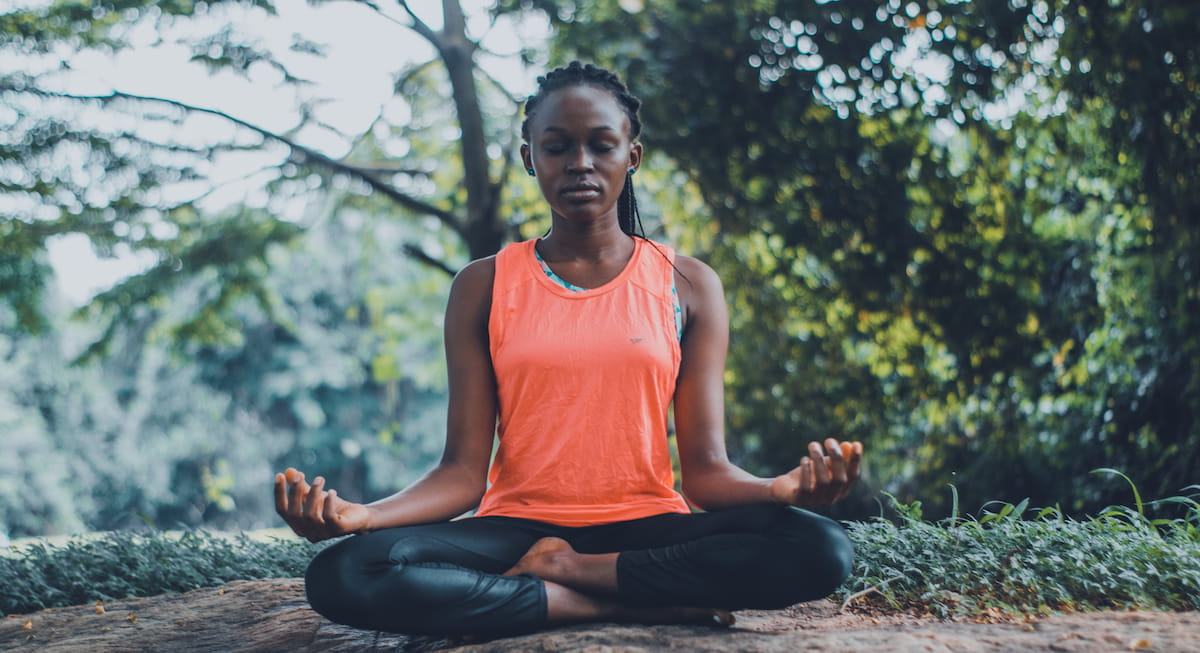
  • Breathing exercises and mindfulness meditation, with gentle movements.
  • Two 75-minute classes with an instructor each week, plus at least 30 minutes of home practice.

How the Study Was Done

The study was a randomized controlled trial at 12 community cancer centers across the U.S. It included 410 cancer survivors without metastasis, all two to 24 months after treatment, and struggling with moderate to severe sleep problems.

Participant Baseline InfoDetails
Average Age54 years old
Demographics96 percent female; predominantly white
Primary Diagnosis75 percent breast cancer survivors
Prior ExperienceNo yoga practice within the past three months

Participants were split into two groups. One group of 204 got standard survivorship care, including regular check-ins. The other group of 206 received the same care plus the four-week YOCAS program, doing about 180 minutes of yoga each week.

Better Mood, Better Sleep

Researchers used trusted clinical tools, the Profile of Mood States (POMS) and the Insomnia Severity Index, to measure results. They found that yoga did more than just help people relax—it had a real, positive impact on their health.

Compared to those who only got standard care, the YOCAS yoga group saw:

  • A big drop in mood disturbance: 5.08 points lower on the POMS scale, which is a moderate to large clinical improvement.
  • Less fatigue: 1.49 points lower on the fatigue scale.
  • Lower anxiety: 0.72 points lower on the anxiety scale.

How This Connects to Sleep Problems

One key finding was that yoga helped people sleep better. Further analysis showed that these improvements were not just due to chance.

  • A quarter of the improvement in sleep came directly from better mood.
  • Another quarter of the sleep improvement was due to less fatigue.

In short, by helping people feel calmer and less tired during the day, the gentle yoga program led to much better sleep at night. People in the standard care group did not have these improvements.

What’s Next?

The American Cancer Society predicts there will be over 22 million cancer survivors in the U.S. by 2035. This makes easy-to-access behavioral support more important than ever.

Dr. Choi and her team plan to adapt the YOCAS program for teens and young adults who have survived cancer. They are also developing digital versions, like an online platform and a mobile app, so more people can use them.

What This Means for You

If you are a cancer survivor dealing with exhaustion, anxiety, or trouble sleeping, this study is a clear sign from cancer experts that yoga is a proven tool to help you recover.

Importantly, this shows that your symptoms are closely linked. You do not always need separate treatments for mood, fatigue, and sleep. Gentle yoga can help your mind and body together, setting off a chain reaction that boosts your quality of life and helps you finally rest and sleep better.

How to Get Started Safely

You do not need to start with a tough or sweaty studio class to get these benefits. The study actually found that a gentle, supportive approach works best. Here is how you can use these findings in your own routine:


  • Choose“Hatha” or “Restorative” yoga styles. Avoid fast-paced “Vinyasa” or “Hot Yoga” classes, which can be too much for a recovering body. Hatha uses slow, careful movements, while Restorative yoga focuses on deep rest in still poses.
  • Use props like blocks, blankets, and bolsters (firm pillows) for support in Restorative yoga. The aim is to allow your muscles to fully relax without strain. If a pose feels uncomfortable, add more blankets or pillows until you feel fully supported.
  • Focus on being consistent rather than intense. Survivors in the study practiced about three times a week, mixing classes with short home sessions. Even 15 to 20 minutes of gentle stretching and deep breathing at home can help you maintain your progress.
  • Pay close attention to your breath. The YOCAS program is not just about poses—it also includes mindfulness and breathing exercises. When you practice, take slow, deep belly breaths to calm your nervous system and reduce anxiety.
  • Talk to your oncology team before starting. Check with your doctor first, especially if you have long-term side effects like lymphedema, neuropathy, or bone density loss. They can help you figure out if there are any movements you should avoid.

SHARE
Related Stories
Answer the question below

Gout Survey

People with gout often have sudden, painful flares of joint swelling and redness. How many gout flares have you experienced in the last 12 months?
Have you ever received intravenous medicine for your gout?

Get our Weekly Newsletter

Stay informed on the latest breakthroughs in family health and wellness. Sign up today!

By subscribing, you consent to receive emails from BlackDoctor.com. You may unsubscribe at any time. Privacy Policy & Terms of Service.

More from BlackDoctor

Where Culture Meets Care

BlackDoctor is the world’s largest and most comprehensive online health resource specifically for the Black community. BlackDoctor understands that the uniqueness of Black culture - our heritage and our traditions - plays a role in our health. BlackDoctor gives you access to innovative new approaches to the health information you need in everyday language so you can break through the disparities, gain control and live your life to its fullest.
✦ AI Search Disclaimer
This AI-powered search tool helps you find relevant health articles from the BlackDoctor.org archive. Please keep the following in mind:
✦ For Informational Purposes Only
The information provided through this AI search is for general educational and informational purposes only. It is not intended as a substitute for professional medical advice, diagnosis, or treatment.
✦ Always Consult a Healthcare Provider
Never disregard professional medical advice or delay seeking it because of something you have read through this search tool. If you have a medical emergency, call your doctor or 911 immediately.
✦ AI Limitations
This search tool uses artificial intelligence to help match your queries with articles in our archive. While we strive for accuracy, AI-generated results may occasionally be incomplete, outdated, or not fully relevant to your specific situation.
✦ No Doctor-Patient Relationship
Using this search tool does not create a doctor-patient relationship between you and BlackDoctor.org or any healthcare provider.
Explore over 35,000 articles and videos across black health, wellness, lifestyle and culture
Full AI Search Experience >
×

Download PDF

Enter your name and email to receive the download link.

BlackDoctor AI Search