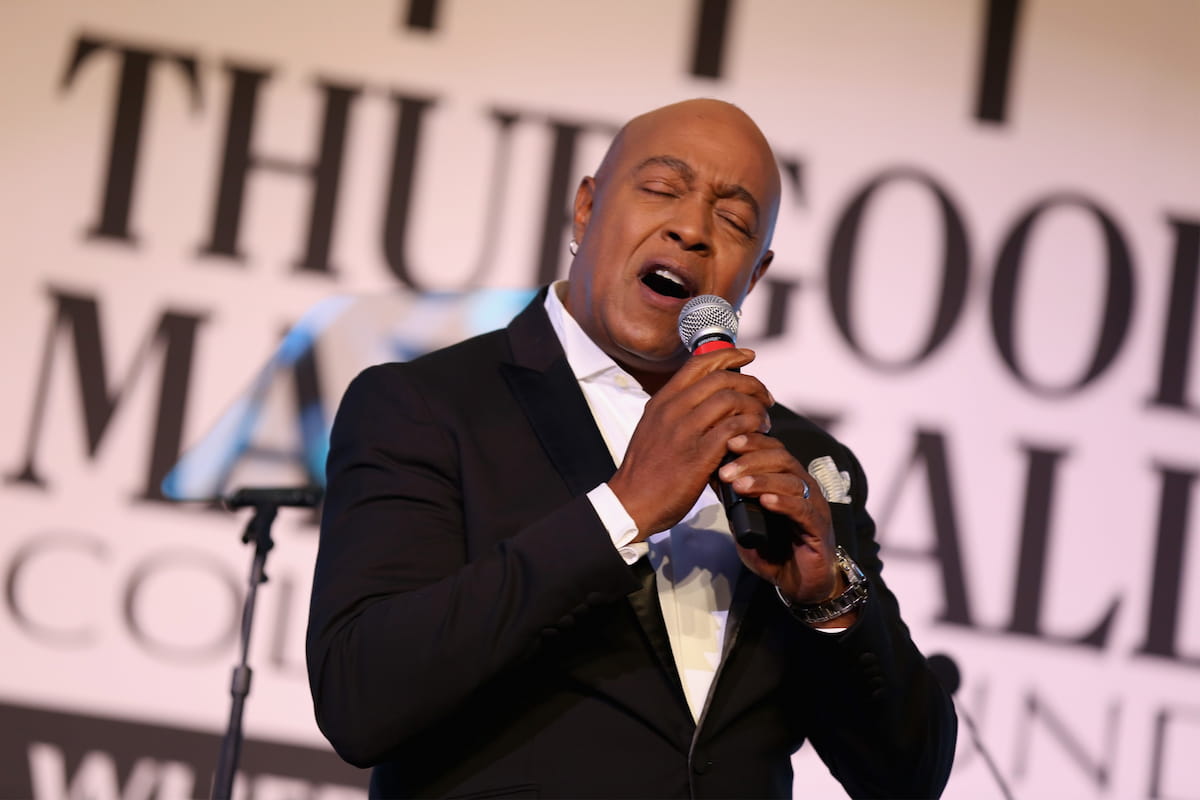
Fans around the world are sending prayers and well wishes to legendary R&B singer and songwriter Peabo Bryson after news broke that the Grammy-winning artist recently suffered a stroke and is currently receiving medical care.
According to statements released by his representatives, the 75-year-old singer experienced a stroke in late May and remains under the care of medical professionals. His family has requested privacy while thanking fans for their support and prayers during this difficult time. Additional details about his condition have not yet been released.
“At this time, the family requests privacy as they navigate this deeply personal moment together,” said the statement per the outlet. “The thoughts, prayers and love of friends and fans are welcomed and deeply appreciated.”
Bryson is best known for his timeless ballads and award-winning Disney duets, including “Beauty and the Beast” with Celine Dion and “A Whole New World” with Regina Belle. Those songs helped earn him two Grammy Awards and cemented his place as one of R&B’s most beloved voices.
The singer has overcome health challenges before. In 2019, Bryson suffered a mild heart attack and later made a full recovery, returning to performing and recording music.
While fans hope for another successful recovery, Bryson’s health scare is also a reminder of the importance of understanding stroke risks—especially within the Black community.
Stroke remains one of the leading causes of death and long-term disability in the United States. Black Americans, particularly Black men, experience strokes at higher rates than many other racial groups and are more likely to suffer strokes at younger ages.
Several factors contribute to this increased risk, including:
Because many stroke risk factors can develop silently over time, some men may not realize they are at risk until a medical emergency occurs.
One of the most important things to remember about stroke is that treatment works best when it begins quickly.
Doctors often use the acronym FAST to identify common stroke symptoms:
F — Face Drooping
One side of the face may appear uneven or numb.
A — Arm Weakness
A person may suddenly have difficulty lifting one arm or keeping both arms raised.
S — Speech Difficulty
Speech may become slurred, confused, or difficult to understand.
T — Time to Call 911
Immediate medical attention can save brain function and even save a life.
Other warning signs include:
Even if symptoms disappear after a few minutes, medical attention is still necessary because the episode could be a transient ischemic attack (TIA), often called a “mini-stroke.”
Although not every stroke can be prevented, experts say many can be avoided by managing key risk factors.
High blood pressure is the single biggest risk factor for stroke. Regular screenings can help detect problems before symptoms appear.
Monitor:
Regular physical activity can help lower blood pressure, improve circulation, and reduce stress.
Focus on:
Limit excessive sodium, processed foods, and sugary beverages.
Smoking damages blood vessels and significantly increases stroke risk.
Poor sleep and untreated sleep apnea have both been linked to increased stroke risk.
Chronic stress can contribute to high blood pressure and inflammation. Exercise, meditation, faith practices, therapy, and strong social connections can all help.
For decades, Peabo Bryson’s voice has provided the soundtrack to love stories, weddings, and unforgettable movie moments.
In a 2025 interview, Bryson said he pursued a life as a performer after watching “artists who look like me in the height of segregation transcend racism, politics, religion, and every other social malaise this country was suffering at that time.”
The singer said that musicians in that time ‘galvanized people’ as they ‘had everybody standing, saying the same thing, giving each other the same message, not worrying about who’s what and where’s what.
“It was the most amazing thing I’ve ever seen. And it’s what I now do – it’s my goal. Every time I go on stage to recreate that one moment, to fellowship with everyone who has showed up in that arena, every single night.”
As fans await updates on his recovery, his experience serves as a powerful reminder that strokes can happen to anyone.
Knowing the warning signs, addressing risk factors early, and seeking immediate medical care can make the difference between recovery and lifelong disability.
For Black men especially, paying attention to heart and brain health today may help prevent a medical crisis tomorrow.


By subscribing, you consent to receive emails from BlackDoctor.com. You may unsubscribe at any time. Privacy Policy & Terms of Service.