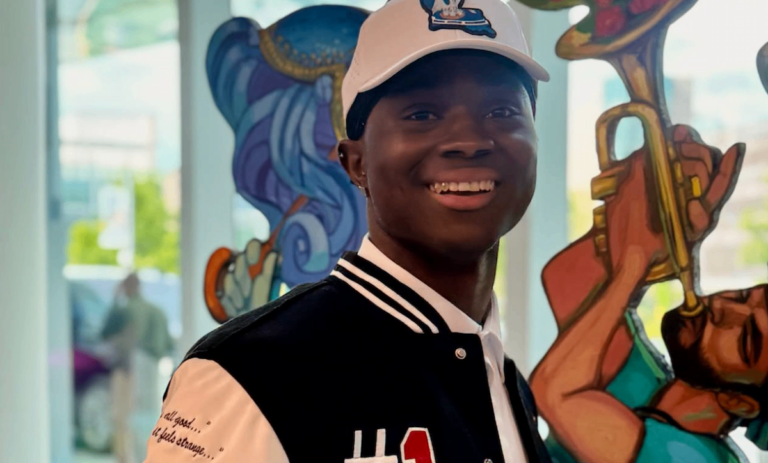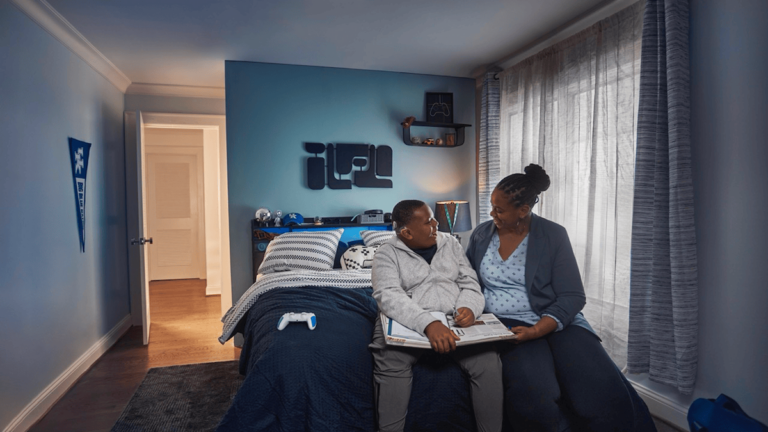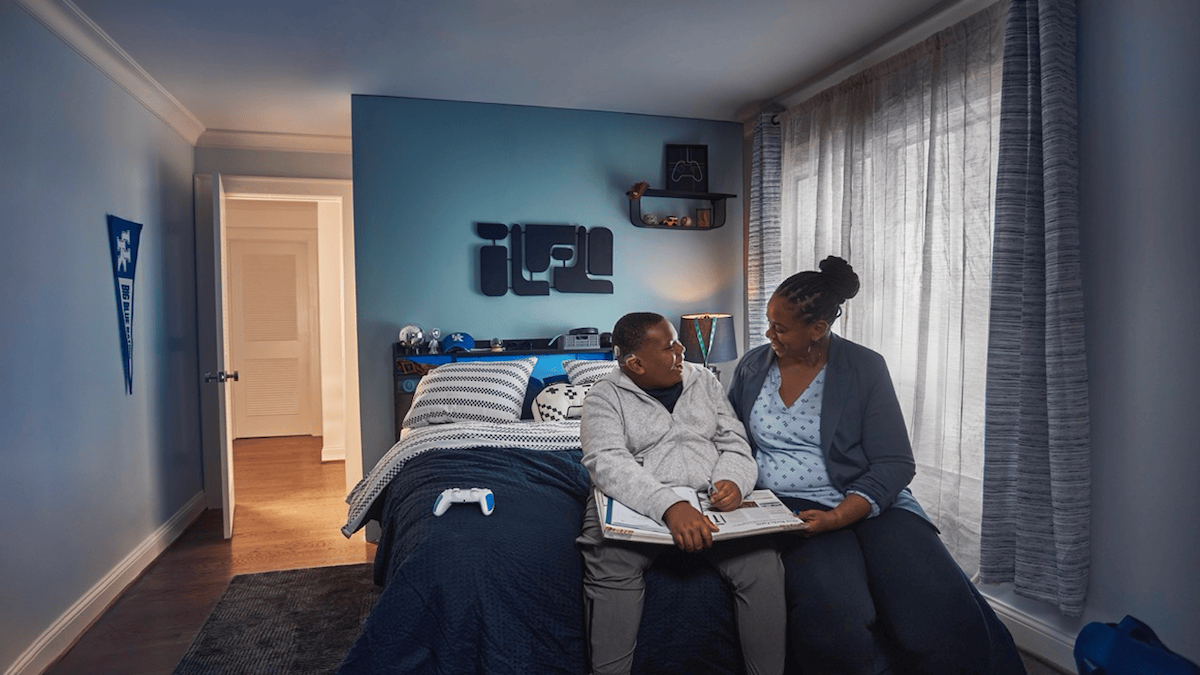
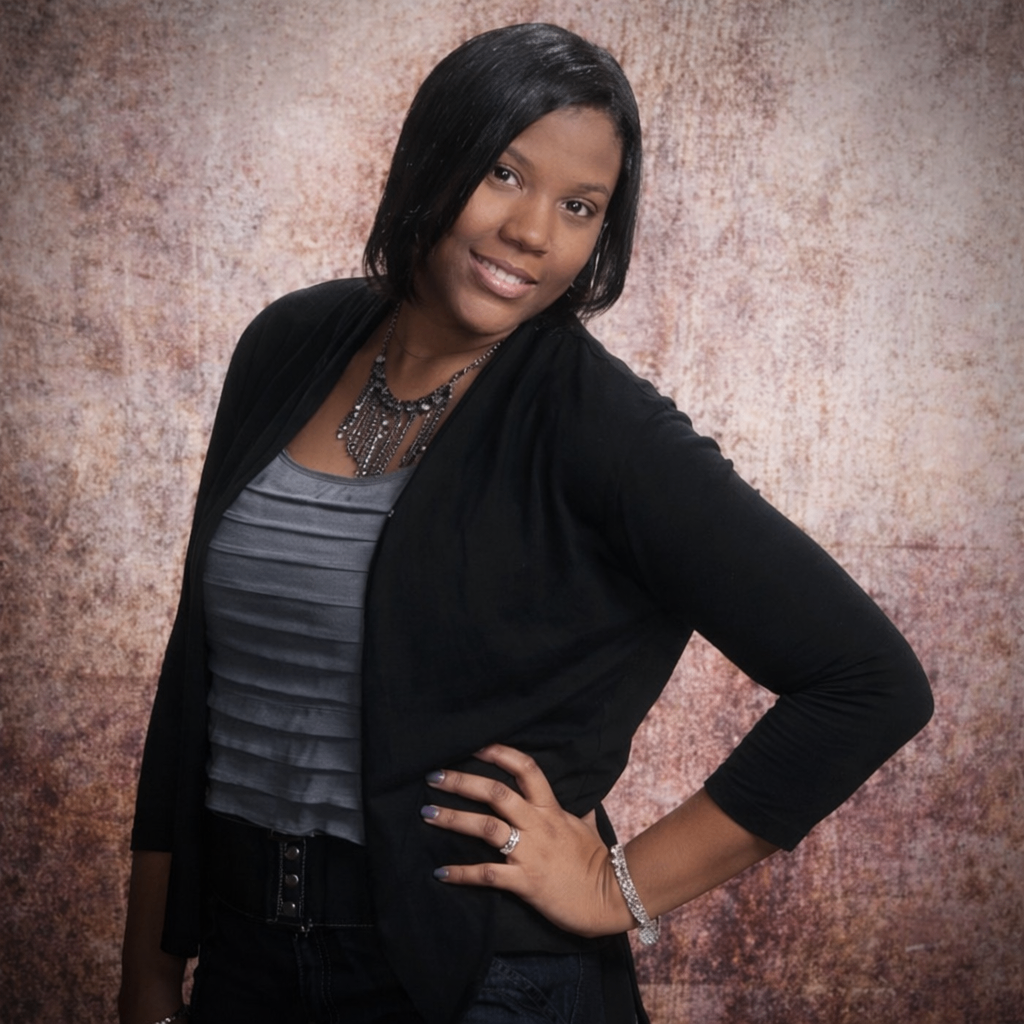
Despite excelling at reading and math, DuJuan (often called DJ) required speech therapy until the third grade. When he reached the fourth grade, his mom, Letisha Broadus, noticed something alarming: he wasn’t responding when she called him.
“He had been in speech therapy since the age of three, and he was actually released from school services because he had met all his goals. But I started noticing a decline in his speech towards the end of third grade, going into fourth grade,” Broadus tells BlackDoctor.
During that year, DJ’s teacher noticed he didn’t seem to understand her questions. “Once that occurred, we referred him back for speech services, and he had his hearing tested. That’s when he failed his first hearing test,” Broadus adds. She learned that DJ’s hearing was severely impaired, comparable to that of a WWII veteran.
RELATED: Meet the Drum Major Who Turned His Hearing Loss Into a Superpower
DJ was referred from his ENT to a local audiologist in Louisville, Kentucky, but with appointment wait times stretching to a year, Broadus opted for a referral to a hospital in Lexington to expedite care. He received hearing aids for both ears; however, his hearing in his right ear continued to decline.
“They told us once it dropped below 50 percent, we would need to look at other options. I think it reached 45 or 48 percent in the right ear, and that’s when the surgeon talked to us about a cochlear implant,” Broadus recalls.
The family researched the procedure with the help of an amazing surgeon at UK HealthCare, who thoroughly explained the process.
“He went over exactly what the implant looked like; he let us hold it and showed us what it would look like as he laid the electrodes inside DJ’s ear along the cochlea to help him hear better—to increase his hearing from 50 percent to potentially 80 or 85 percent,” Broadus notes.
While the procedure was frightening, Broadus found comfort in connecting with local families facing similar situations.
“Being able to have a support system was pretty amazing, and we learned a lot during that process about the implant and what that would mean for DJ’s hearing going forward,” Broadus says.
DJ underwent outpatient surgery and became the first patient in the United States to receive a FLEX34 electrode, the longest electrode array available.
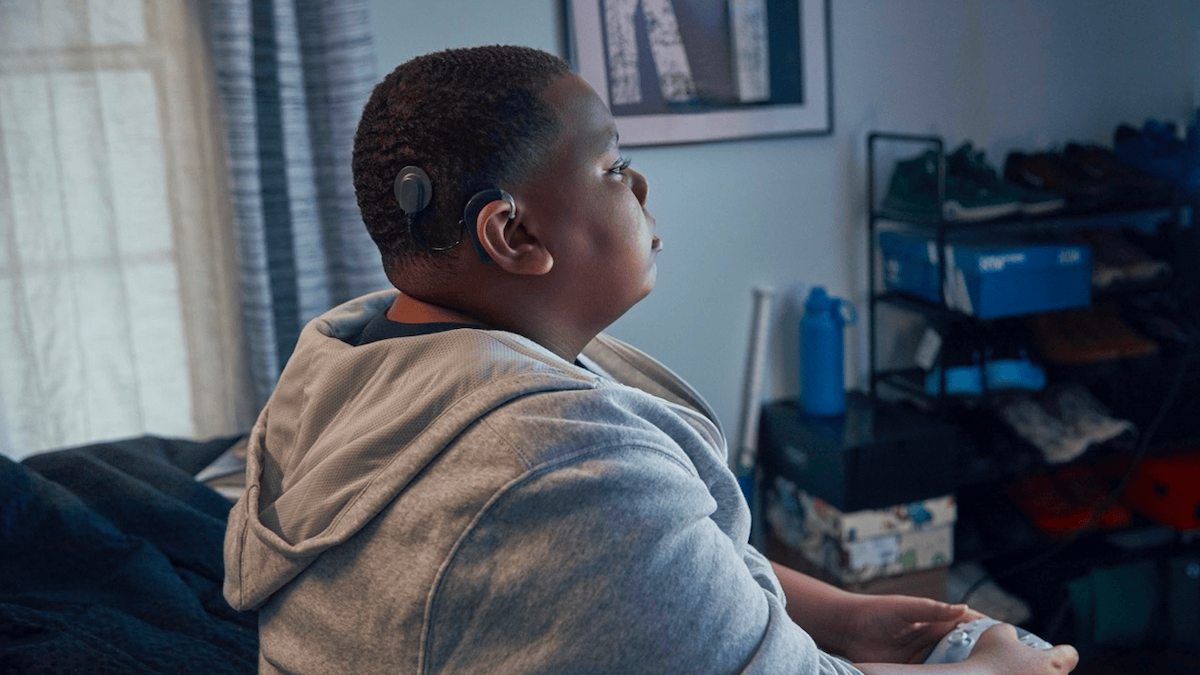
DJ has made remarkable progress. Soon to be a rising 7th grader, he has improved hearing, as measured by the detection audiogram, from 45 percent to 85 percent. Now 11, he has met all speech therapy goals and is increasing his self-advocacy by taking responsibility for charging his devices.
Broadus has witnessed an immense improvement.
“In his day-to-day, he’s able to hear more things, and I’m not having to repeat myself or raise my voice to talk to him; he can hear me at a normal voice level. He’s also really great at advocating for himself—his audiologist at school works with him on making sure he can say, ‘Hey, that noise is too loud,’ or ‘You’re drowning out the things I need to hear,’” she shares.
However, the improvement involved a period of trial and error.
“Once he received those hearing aids, there were a lot of tears—him being able to hear air conditioning, birds chirping, a stapler; he didn’t realize those made noise. When he got the cochlear implant, it was about a month before the receiver had to be turned on. There was a lot of trial and error on his part—it was overwhelming for him because the sounds were more poignant than they were with the hearing aids. It took some time to adjust, but watching his growth and development is pretty amazing,” Broadus notes.
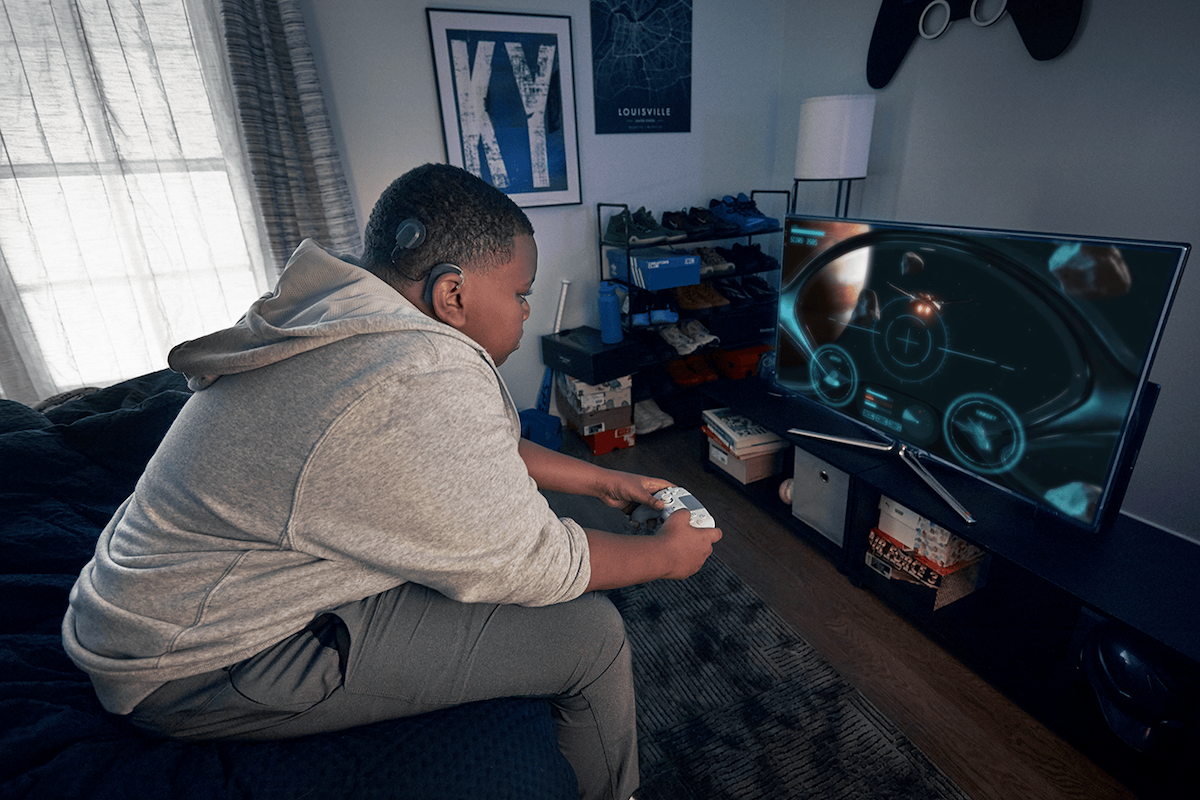
Currently in his preteen years, DJ enjoys swimming, playing video games, and hanging out with friends. He has also developed a passion for music.
“He started with media arts as his major, but the program was eliminated due to budget cuts. It forced him to look at other arts, and he’s discussed wanting to go into music. It’s pretty amazing—you wouldn’t think someone dealing with hearing loss would be excited about music, but he really is. His playlist on his phone is immaculate; he has everything from classical and rock to R&B and rap. He pays close attention to how music is produced and how it sounds. He calls out different parts of music that I don’t think he would normally recognize, so I’m interested to see how that develops,” Broadus shares.
To better understand the specialized technology that supported DJ’s journey, we consulted with leading experts in pediatric hearing development.
Dr. Lisa Park, AuD, NFCI/Barnhardt Director, Associate Professor, Division Chief for The Children’s Cochlear Implant Center, University of North Carolina (UNC), emphasizes that ear anatomy is unique to every individual.
“Our cochleas are all shaped like a little seashell… You can’t predict who has a longer cochlea, who has a shorter cochlea, so we’re able to tailor that electrode array to make it fit for that particular child. It’s really exciting because our auditory nerve and our hearing system is kind of like a piano—it’s tonotopically organized—so the more that we can match what that cochlea with what the brain is expecting in terms of input to that electrode array, the better their outcomes can be.”
Aimee Gross, Senior Manager, Regulated Research, MED-EL, notes that this customization is a global effort.
“We don’t stop after that initial data and regulatory approval; that really just opens the door for additional studies so we can keep looking for research ideas to take the technology and outcomes further, always keeping in mind what’s best for the patient,” Gross explains.
When asked about the transition from traditional hearing aids to cochlear implants, Dr. Park notes, “It’s about how much they have access to… if they don’t have access to it, they’re not going to be able to use it, they’re not going to be able to hear that speech, they’re not going to learn about prepositions, they’re not going to learn about plurals—we need to be able to hear those sounds.”
Gross adds that parents should remain optimistic about the process.
“There are a number of professionals, cochlear implant clinics usually have a team that works together to help parents understand the process, the diagnosis, the technology, and their options… You never know until you start the process and talk to the professionals and get the testing and learn more,” she shares.
Looking ahead, Gross sees significant advancements on the horizon.
“In the future, MED-EL, as well as other cochlear implant companies, have started research studies around the world on a totally implantable cochlear implant design and on electrodes that release anti-inflammatory medication. So those are probably the next big leaps,” she says.
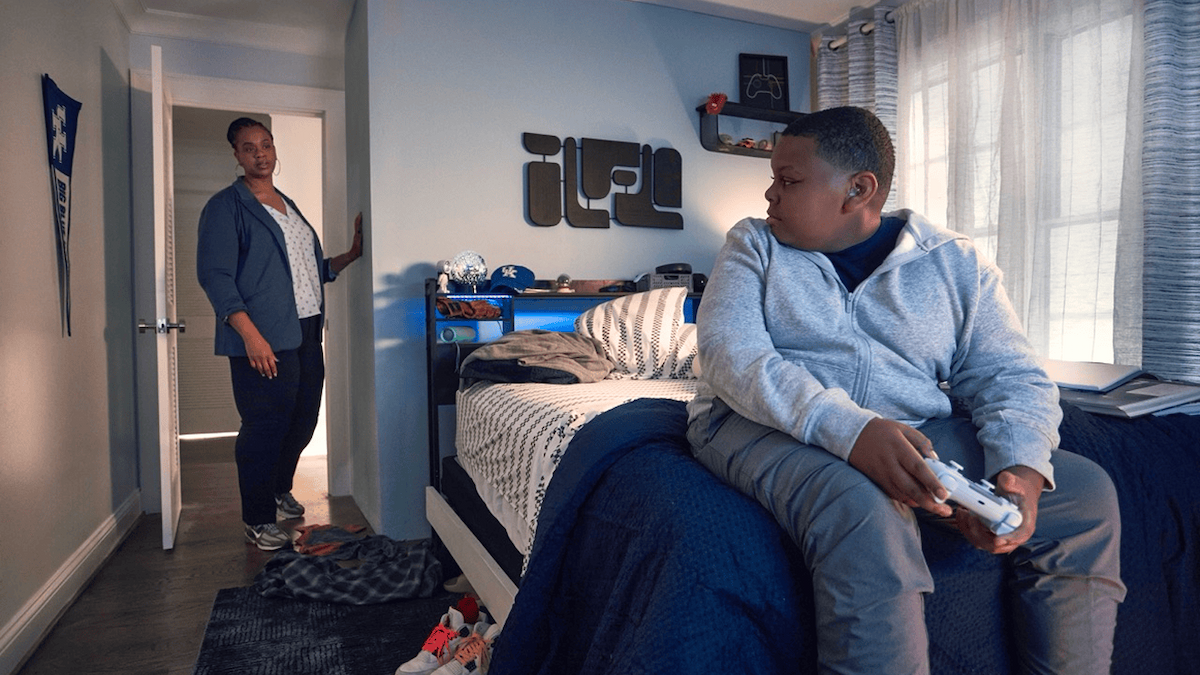
As you navigate the complexities of managing your child’s hearing journey, Broadus’s experience offers valuable guidance on finding balance and persistence. Here are her key insights for parents:

By subscribing, you consent to receive emails from BlackDoctor.com. You may unsubscribe at any time. Privacy Policy & Terms of Service.