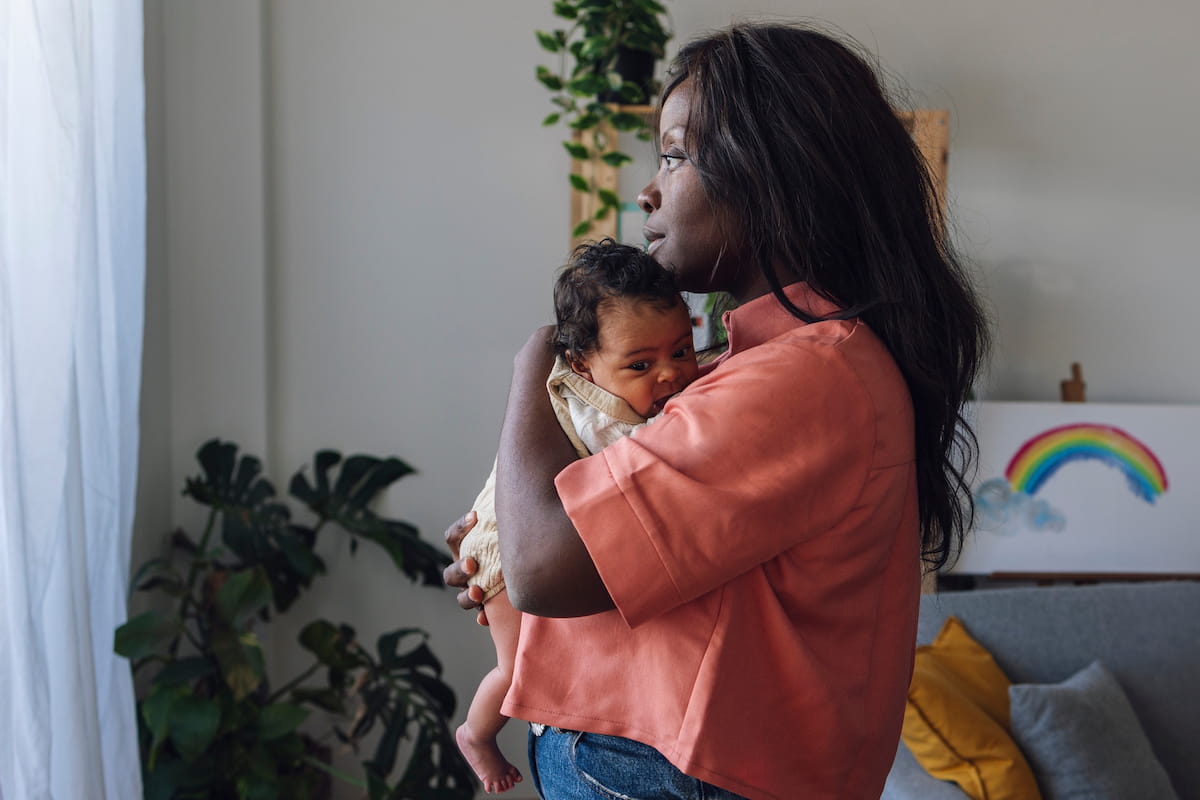
Lower back pain is an issue that many women deal with during pregnancy and after giving birth. Fortunately, there are steps you can take to ease your symptoms so you’re not always in pain. While you’re getting used to caring for a newborn, there are a few easy ways to ensure you’re taking care of yourself.
Although more data points are needed, one study provided some insight into how many women deal with lower back pain after having a baby. In it, researchers asked 100 women about their experience with lower back pain before, during, and after pregnancy. While almost 45 percent of them had lower back pain before getting pregnant, the number grew to 75 percent during the pregnancy. When it came to after childbirth, 43 percent of the participants experienced persistent lower back pain after having their babies.
As you may expect, if you had lower back pain before getting pregnant, you’re more likely to have the issue during and after pregnancy. Interestingly, the number of children the participants had, their body mass index, and their level of physical activity weren’t associated with the likelihood of having lower back pain.
Lower back pain can resolve after you’ve had a baby, but when the researchers continued to follow up with the participants, some of them were still dealing with the issue. When asked, 25 percent of the participants were dealing with lower back pain after three years, and 10 percent of them still had back pain after 10 years.
RELATED: 3 Sleeping Tips To Avoid Back Pain
Although so many women report having lower back pain during and after pregnancy, there still isn’t a consensus on what causes the issue. Some healthcare professionals suggest that the prevalence of lower back pain may be associated with how the enlarged uterus puts pressure on a pregnant woman’s lower back. While it hasn’t been fully explored, the effect of the hormone relaxin on the muscles during pregnancy may also affect the back.
One thing is certain, though, that women who had lower back pain in previous pregnancies and while they weren’t pregnant are more likely to have lower back pain. You may also have lower back pain if you have poor posture or partake in physical activities that put pressure on your lower back.
Given all the questions about what truly causes lower back pain during and after pregnancy, it may not be surprising to hear that there’s no definitive advice on how to prevent it. Managing lower back pain after giving birth can be a very personalized experience. Still, there are ways for you to ease your symptoms and protect your back during day-to-day activities.
Some ways to ease your symptoms include using a heating pad or an ice pack on your back when possible and taking over-the-counter pain relievers as your doctor recommends. If gentle pain relievers don’t help with your pain, it’s important to talk to your doctor before trying anything stronger. The same is true of any supplements that are supposed to help with back pain.
Adjusting how you feed your baby can also alleviate pain. When breastfeeding, it’s a good idea to relax your shoulders, use a pillow to support your arms, and keep your back supported. While it’s typical to look down when feeding your baby, doing so less may help to ease your back and neck pain.
When lifting, you should use the right lifting technique. From your baby to a stroller, it’s important to lift with your knees. As you’re picking up your baby, bend at the knees and lift with your legs. Lifting with your back is likely to strain it and worsen the pain. You should also ensure that your baby is close to you before lifting them because extending your arms can also hurt your back.
Carrying your baby on your hip can also put unnecessary pressure on your back. You should hold them at the front where you can distribute the weight more evenly. When carrying your baby, try not to twist too often, as this can strain your back. Using a front carrier can help you to keep your baby close while leaving your hands free.
Finally, doing a few exercises may help to ease your back pain. Your doctor can guide you on which activities may help your specific situation, but these four exercises can be a good place to start.
RELATED: 5 Types Of Back Pain To Never Ignore
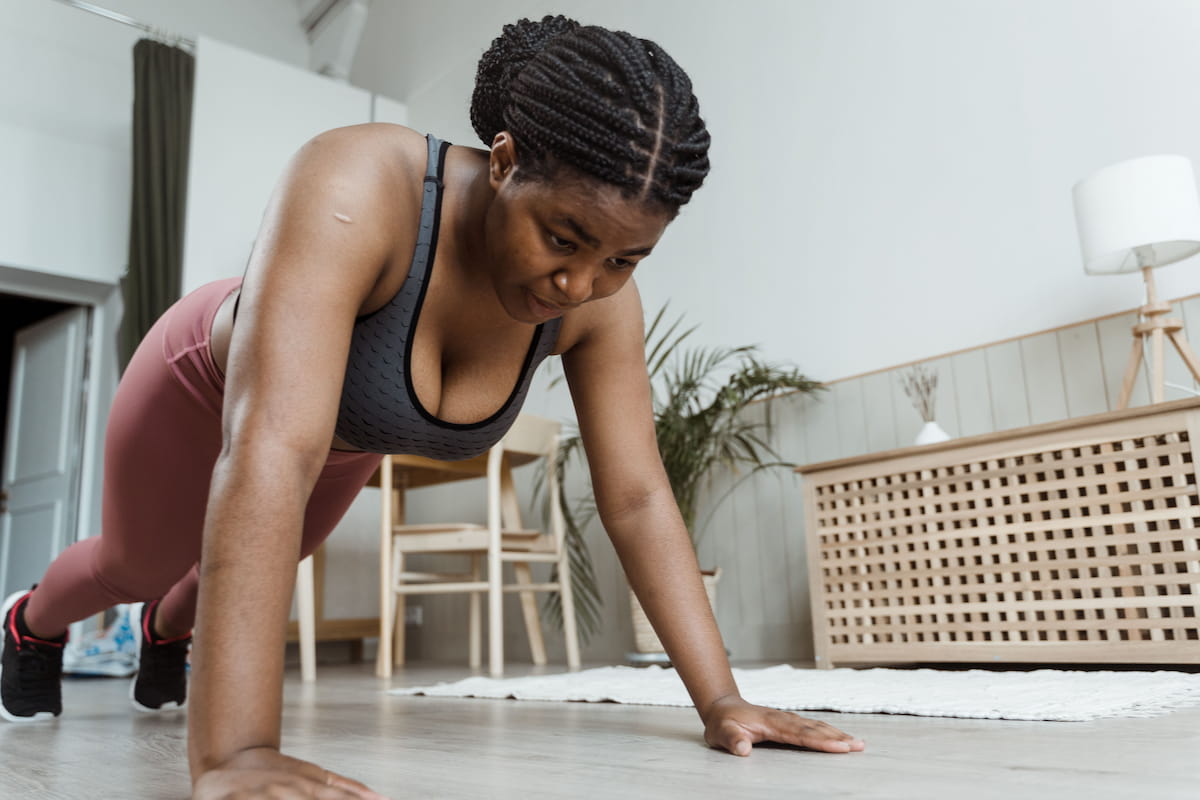
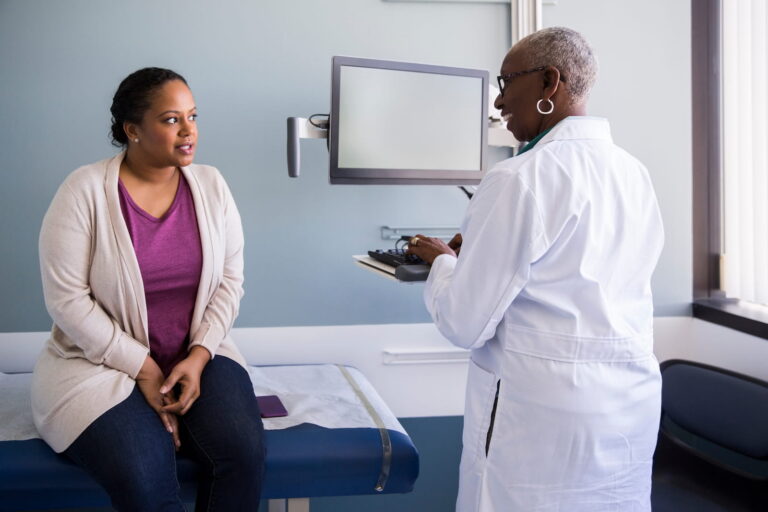
While many women experience lower back pain after giving birth, that doesn’t mean you shouldn’t tell your doctor about it. They may give you a better understanding of how much pain to expect, which daily activities may worsen it, and how to manage it while recovering. You can also ask them for a way to gauge what’s typical and what isn’t. Sometimes, your doctor may recommend seeing a physical therapist to ease your symptoms.
Generally, though, if the pain worsens over time or never eases regardless of what you do, you should talk to your doctor. It doesn’t matter if it’s been a couple of weeks or months since delivery. Any pain that’s severe enough to interfere with everyday activities needs medical attention.
You should also look out for any other symptoms that indicate something is wrong. These can include an unexplained fever, heavy bleeding or constant spotting, headache, shortness of breath, chest pain, redness or drainage at incision sites, swelling in the legs, and sudden or severe leg pain.
Although you can have lower back pain during and after pregnancy, that doesn’t mean you can’t do anything about it. After talking to your doctor, you can do certain exercises to ease your symptoms and take steps to protect your lower back as you care for yourself and your baby. Of course, if your pain is only getting worse, you need to see your doctor immediately.


By subscribing, you consent to receive emails from BlackDoctor.com. You may unsubscribe at any time. Privacy Policy & Terms of Service.