
Have you ever noticed how quickly people are to explain away pain?
If your knees are acting up, they’ll say, “That’s age.”
If your hands are stiff, you’ll hear, “That’s just life.”
But here’s the truth: persistent joint pain has causes, and many of them have names, treatments, and real consequences if you ignore them.
So if your body has been sending signals, here’s your reminder to pay attention.
Joint pain is not random. It’s your body reacting to something. It could be wear and tear, inflammation, injury, or an underlying condition.
Medical experts at the Mayo Clinic are very clear that joint pain can result from dozens of conditions, including arthritis, lupus, gout, bursitis, and infections.
Did you know that there are over 100 different types of arthritis alone?
So when you’re feeling joint pain, calling it “just aging” skips over real conditions that deserve attention.
RELATED: Joint Pain or Arthritis? How to Tell the Difference
Most of us aren’t using medical terms. We just know what hurts.
Joint pain can show up as:
Some people feel better once they start moving, while others feel worse the more they use that joint. According to the Cleveland Clinic, both of these patterns matter.
If you’ve been adjusting how you sit, stand, walk, or move in any way just to avoid pain, your body is already asking for help.
RELATED: When Seasonal Joint Pain Strikes, Strike Back!
People say ‘arthritis’ like it’s just one thing, but it’s really not.
This is the most common type of arthritis. It happens when the cushioning between your joints breaks down over time, leading to pain and stiffness.
This one is autoimmune. If left untreated, your body starts attacking your joints, causing inflammation, swelling, and damage. It’s even more important for those with RA to stay hydrated.
Gout is a sharp, intensely painful condition that often affects the big toe and is caused by crystal buildup in the joint.
These inflammatory conditions can affect multiple joints, along with fatigue and swelling that comes and goes. They don’t always show up all at once. Sometimes it’s a slow build where you just know something isn’t right.
RELATED: Can Rheumatoid Arthritis Come On Suddenly?
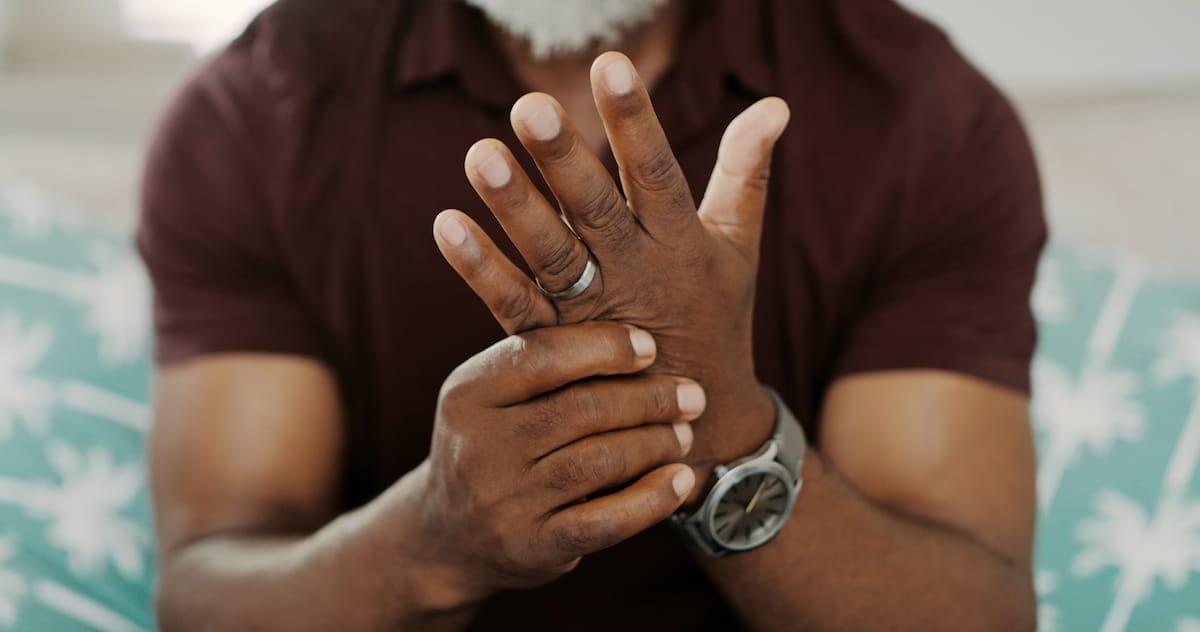
You already know how we move. We handle it. We keep going.
But with joint pain, pushing through can turn something that could be manageable into something that will have you begging for mercy.
Over time, untreated joint issues can:
According to the Mayo Clinic, arthritis, for example, can progress and impact daily movement if it isn’t managed early.
RELATED: How to Get Pain Relief From Arthritis
Let’s talk about something that doesn’t get said enough. Sometimes the issue isn’t just the pain; it’s how healthcare professionals receive that pain.
If you’ve ever left an appointment feeling unheard, brushed off, or like you had to prove something was wrong, you’re not imagining it.
An article from the American Association of Medical Colleges titled “How We Fail Black Patients in Pain” shows that bias in healthcare can affect how pain is evaluated and treated, including assumptions about pain tolerance that lead to some patients not getting the care they need.
So when you say, “something isn’t right,” and it gets minimized, that moment matters.
This is why being clear, asking follow-up questions, and, when needed, getting a second opinion is part of taking care of yourself. You’re not being extra or dramatic.
RELATED: 5 Ways to Advocate for Yourself at the Doctor’s Office
Use this as your check-in.
The Mayo Clinic advises that we pay attention to our pain if it:
If the joint pain starts affecting your daily life or comes with symptoms like swelling or fever, it’s time to see your healthcare provider.
Make sure your doctor is hearing you from the start. Don’t keep your symptoms vague; give them specifics.
Since doctors are trained to look for patterns, give them something clear to work with.
If you feel like you’re being brushed off, state that out loud or get another opinion.
Your treatment for chronic joint pain is going to depend on the cause of the pain. But the goal will stay the same: reduce pain, protect your joints, and keep you moving.
Treatment options include:
In some cases, simple changes—such as maintaining consistent movement or reducing joint strain—can make a noticeable difference, says the Cleveland Clinic.
In other cases, you may need medication or surgery to slow disease progression.
RELATED: 6 Best Workouts for Sore Joints
Aging usually brings changes, and we know that, but chronic joint pain should not be the expectation.
Joint pain is information we need to pay attention to and monitor.
If your knees, hands, hips, or back have been speaking up, listen—and follow through because staying mobile, independent, and comfortable in our bodies is the baseline.


By subscribing, you consent to receive emails from BlackDoctor.com. You may unsubscribe at any time. Privacy Policy & Terms of Service.