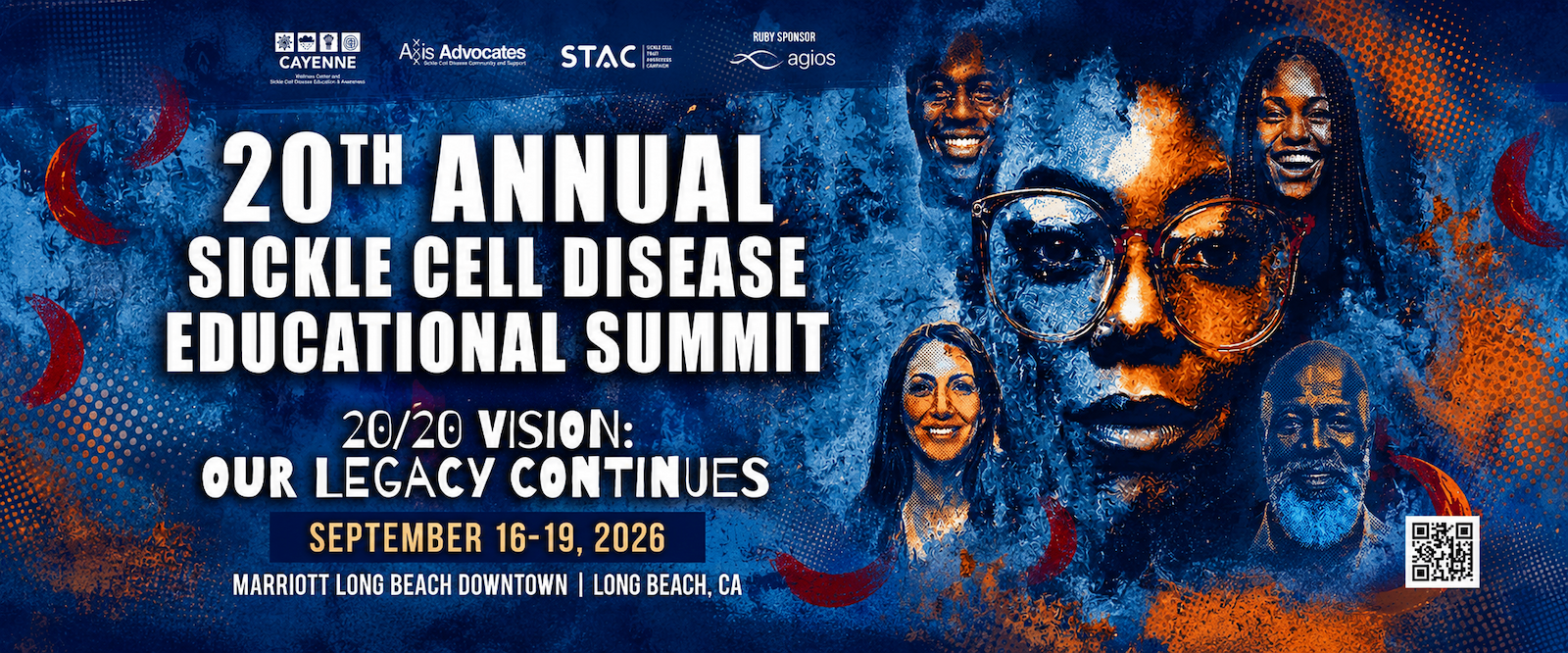
BlackDoctor is heading to Long Beach for Cayenne Wellness Center’s 20th Annual Sickle Cell Disease Educational Summit, where Warriors, caregivers, doctors and advocates will come together for four days of education, connection, celebration and honest conversations about the future of sickle cell care.
This week, the sickle cell community is coming together in Long Beach, California, for something much bigger than your typical health conference. People living with sickle cell disease, caregivers, doctors, researchers, advocates and community leaders will gather to learn from one another, ask questions, celebrate progress and have real conversations about what it means to live with sickle cell disease today.
BlackDoctor will be there throughout the week, bringing our audience inside the conversations, stories and moments that matter most. From September 16 through 19, Cayenne Wellness Center and Children’s Foundation will host its 20th Annual Sickle Cell Disease Educational Summit, a milestone event built around this year’s theme, “20/20 Vision: Our Legacy Continues.”
The theme feels especially fitting for an event that is looking toward the future of sickle cell care while honoring the Warriors, families and advocates who helped move the conversation forward in the first place. For BlackDoctor, being there means helping make sure the voices shaping that future are heard well beyond the walls of the conference.
One of the things that makes this Summit stand out is that the conversation goes well beyond medications, hospital visits and clinical care. Living with sickle cell disease can touch nearly every part of a person’s life, from work and relationships to mental health, family planning, finances and caregiving.
The Summit makes room for those everyday realities alongside conversations about treatment and research. Across four days, attendees can expect sessions on new and emerging therapies, gene therapy, reproductive health, mental health, financial planning, women’s and men’s health, alternative wellness, technology, storytelling and more.
That matters because people living with sickle cell disease deserve to be part of conversations about the whole experience, not just what happens during a pain crisis or a hospital stay. Events like this create space to talk about what life with sickle cell actually looks like from day to day.
The Summit opens with a full day centered on treatment, including discussions about currently approved therapies, emerging options and FDA-approved gene therapies. For many families, hearing about new treatments can bring excitement, hope and plenty of questions all at once.
What does this treatment actually do? Who might qualify, what are the risks, how does insurance factor in and will the people who need these advances most actually be able to access them?
Those are the kinds of questions BlackDoctor plans to explore while we are there. Medical progress is important, but progress only goes so far if patients do not understand their options or cannot access them.
For a condition that has such a deep impact on Black communities, the conversation about access matters just as much as the science itself. New treatments can change lives, but only if patients are part of the conversation and have a clear path to the care being discussed.
The people living with sickle cell disease are not simply attendees at this Summit. Their voices are built into the program, giving Warriors and caregivers the opportunity to speak about the realities of sickle cell from their own experience.
Friday’s agenda includes conversations about living with SCD, caregiving, financial planning, women’s health and men’s health. Another program, “Doctor to Doctor: A Warrior in White, Patient, and Practitioner,” puts a spotlight on physicians who are also living with sickle cell disease and includes a discussion about acute and chronic pain management.
That kind of perspective can change the conversation in the room. A doctor may understand sickle cell pain medically, but someone who has lived through pain crises, emergency room visits and having their symptoms questioned brings another kind of expertise.
When those perspectives come together, the conversation can become both more medically informed and more personal. For BlackDoctor, those are the stories we are especially interested in hearing and sharing.
Sickle cell coverage often focuses on pain, complications and disparities, and those conversations are important. But people living with sickle cell disease are much more than the hardest parts of the condition, and the Summit makes room for joy, connection and celebration too.
There will be networking, wellness sessions, storytelling, game night, karaoke and opportunities for Warriors and families to spend time with people who understand some of what they have experienced. Those moments of community can be just as meaningful as what happens on a panel or in a breakout session.
Friday night will also include the Awards Ceremony, Dinner and Benefit Concert, along with The Golden Experience, which honors Sickle Cell Warriors age 70 and older. It is a powerful way to recognize people who have lived through decades of change in sickle cell treatment, research and advocacy.
For younger Warriors, seeing people with sickle cell disease celebrated for reaching their 70s can offer something especially meaningful. It gives them a chance to see longevity, joy and possibility reflected back at them.
Another major focus of the Summit is mental health, an area that is too often treated like a separate issue from physical health. Saturday’s programming includes a keynote on mental health and sickle cell disease, along with conversations about trauma, depression, anxiety and grief.
For people who deal with recurring pain, hospitalizations, medical procedures and uncertainty about when the next crisis might come, those conversations are part of healthcare. The Summit is also making room for wellness sessions that focus on the body, soul and mind, which helps broaden the conversation around what support can look like.
There is also value in simply acknowledging that living with chronic illness can be emotionally exhausting. Strength does not always mean pushing through quietly, and events like this can help normalize talking about the mental and emotional side of sickle cell disease.
Sickle cell disease has long been part of the Black health story in America, and so has the fight for patients to have their pain believed, their experiences respected and their condition treated with the urgency and investment it deserves. That history makes gatherings like this especially important.
The Summit creates a space centered around the people most affected by the disease. Warriors can ask the questions they actually have, families can connect with other families, doctors and researchers can listen directly to patients, and everyone can have conversations that are often difficult to fit into a routine appointment.
It is also a chance to celebrate the community rather than only talking about sickle cell through statistics, complications and disparities. The Summit gives Warriors an opportunity to be seen not only as patients, but as experts in their own lives.
That is something BlackDoctor believes deserves attention. It is also why we are excited to be there in person, listening to the conversations and bringing them back to our audience.
Throughout the Summit, BlackDoctor will be on the ground talking with Sickle Cell Warriors, caregivers, physicians, advocates and community leaders about the issues our audience wants and needs to hear about. We’ll be asking what patients should know about the changing treatment landscape, how families should think about gene therapy and reproductive health, and what better care looks like from the patient’s point of view.
We’ll also be listening closely to the stories that happen outside of the formal sessions. Some of the most important moments may come from a hallway conversation, a caregiver sharing what they wish they had known earlier or a Warrior explaining what they wish their doctor understood.
Our goal is to take those conversations beyond the walls of the Summit and bring them back to the BlackDoctor community. You should not have to be in Long Beach to benefit from the information, experiences and lessons being shared there.
The Summit runs September 16 through 19 at the Marriott Long Beach Downtown, with both in-person and virtual participation available. Attendees can also take part in an optional visit on September 20 to Scar Stories: A Visual Testimony of Sickle Cell Warriors, an exhibit centered on portraits and personal stories from people living with the disease.
Twenty years into this Summit, “Our Legacy Continues” feels like more than a theme. It is a reminder that progress in sickle cell disease has also been built by Warriors, families and advocates who kept pushing for better care, better research and greater recognition.
BlackDoctor is excited to be there this week to help share what comes next. We’ll be bringing our audience along with us as we hear directly from the people shaping the future of sickle cell care.

By subscribing, you consent to receive emails from BlackDoctor.com. You may unsubscribe at any time. Privacy Policy & Terms of Service.