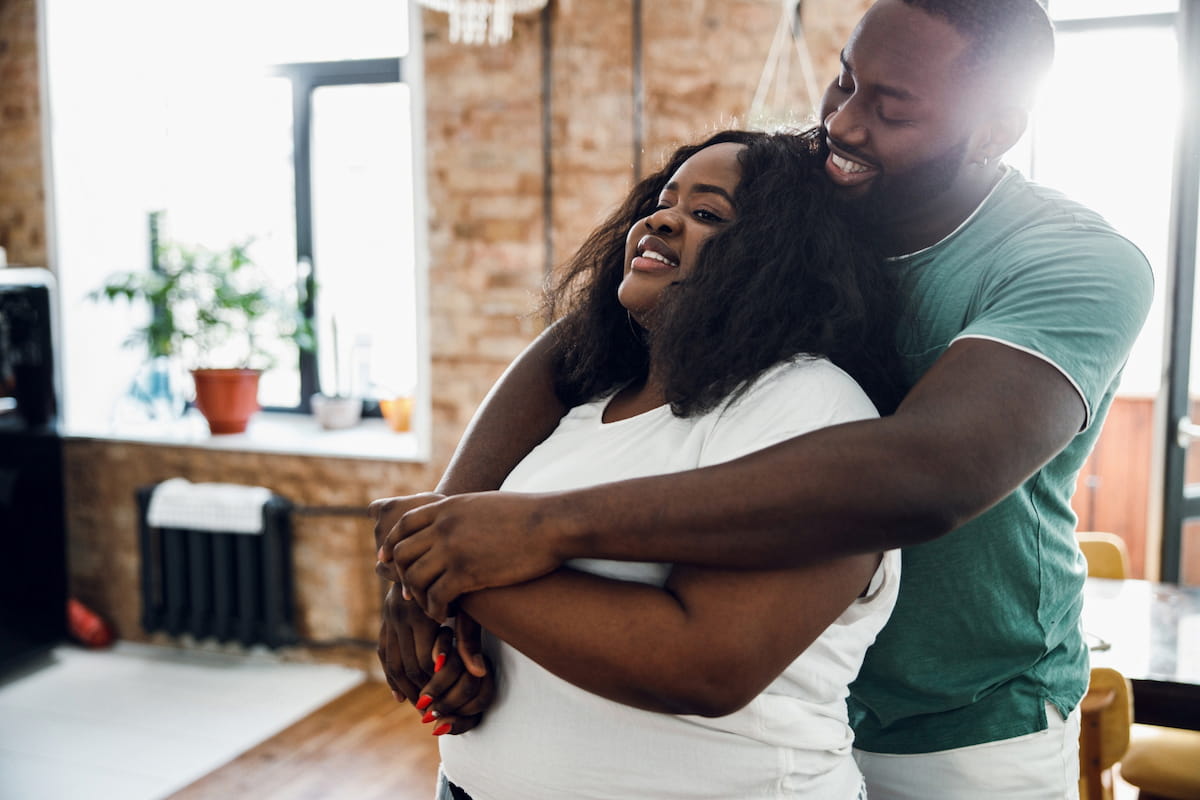
Dating can be vulnerable for anyone because it asks you to meet new people, share pieces of your life, and open yourself up to connection, rejection, excitement, and uncertainty.
But for many people living with obesity, dating can come with an additional layer of emotional weight, and questions may begin before the first message is even sent: Will they find me attractive? Should I mention my size? What if they only see my body? What if I get rejected because of my weight? How do I respond if someone makes a comment?
These concerns are incredibly common, yet they are rarely discussed openly. The truth is that dating while living in a larger body can sometimes feel like navigating two challenges at once: getting to know someone new while also managing society’s assumptions about weight.
But here’s what many people eventually learn: the goal isn’t finding someone who accepts your body. The goal is to recognize that your body never required an apology in the first place. According to plus-size dating advocates interviewed by FODMAP, every day, many people in larger bodies spend years believing they must earn love through weight loss before they deserve meaningful relationships.
One of the most common dating messages people hear is, “You have to love yourself completely before someone else can love you.” While self-confidence is important, this advice can feel unrealistic because most people have insecurities, and people of every size have days when they feel confident and days when they don’t.
Dating isn’t reserved for people with perfect self-esteem. You don’t have to reach some magical level of body confidence before pursuing relationships, eliminate every insecurity, or become someone else. You simply need to believe that your worth isn’t determined by your size.
HealthCentral’s discussion of dating confidence and chronic weight management emphasizes that confidence often develops through action and experience—not by waiting until you feel perfectly comfortable in your body. Confidence is not the absence of insecurity; it’s moving forward despite it.
RELATED: You Don’t Need to Be “Goal Weight” to Look Good
Many people living with obesity feel pressure to disclose their size as though they’re revealing a secret. They worry about surprising someone, fear disappointing potential partners, and sometimes approach dating with an apology already prepared.
But your body is not a warning label, and your size is not a confession. One of the most powerful mindset shifts is recognizing that your body is simply one aspect of who you are, not your entire identity. You are also a parent, a professional, a friend, a dreamer, a creative, a traveler, a caregiver, and a person with values, interests, humor, and experiences.
People who truly connect with you will see more than your body, and people who only see your body probably aren’t your people anyway.
Dating apps can feel particularly intimidating, and many people living with obesity struggle with how much to show and what photos to include. The temptation is often to hide by using only face pictures, choosing older photos, or avoiding full-body images.
This instinct is understandable, but many experienced plus-size daters recommend a different approach: use recent photos, include full-body pictures, show yourself doing things you enjoy, and present yourself honestly.
Why? Because authenticity filters out people who aren’t a good fit before they ever enter your life. The goal isn’t to convince everyone to like you; it’s to attract people who already do.
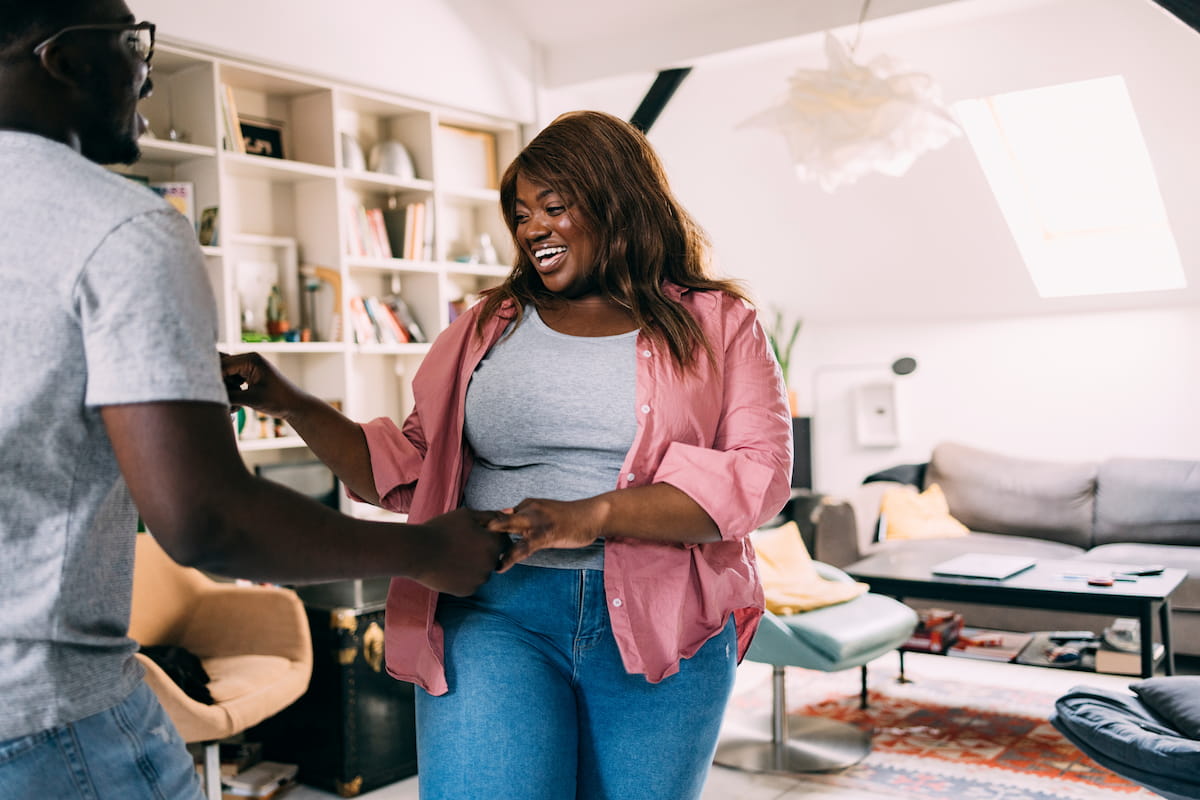
Unfortunately, many people living with obesity encounter inappropriate comments while dating. Sometimes they’re subtle, and sometimes they’re shockingly direct. Comments might include, “You’re pretty for a big girl,” “You carry your weight well,” “Have you always been this size?” or “You’d be perfect if you lost a little weight.”
These comments can feel hurtful, confusing, or even humiliating, and many people freeze because they aren’t sure how to respond. The good news is that you don’t owe anyone politeness when they’re being disrespectful. You can respond directly, redirect the conversation, or end the interaction entirely. Healthy relationships require respect, and anyone who makes you feel ashamed of your body is revealing something about themselves—not about your worth.
One harmful myth is that everyone is attracted to the same body type, but reality tells a different story. People have different preferences, experiences, values, and definitions of beauty, and attraction is about far more than appearance.
Research consistently shows that confidence, kindness, humor, emotional intelligence, and authenticity all play major roles in relationship formation, and many people living with obesity are surprised when they discover that potential partners are far less focused on their weight than they imagined. The insecurities that feel enormous internally are often much less significant to others.
One of the healthiest dating skills anyone can develop is boundary-setting, which becomes especially important for people who have spent years feeling judged for their bodies. Sometimes that fear of rejection leads people to tolerate behavior they shouldn’t. They may accept disrespect, ignore red flags, stay in unhealthy situations, or shrink themselves to avoid conflict.
But dating success is not about making yourself smaller emotionally; it’s about protecting your peace. Healthy boundaries may include refusing body-shaming comments, speaking up when something feels uncomfortable, ending conversations that become disrespectful, being clear about your needs, and walking away from people who don’t respect you. The right relationship won’t require you to abandon your standards.
RELATED: Flying Plus-Sized: Tips Frequent Travelers Swear By
When a date doesn’t work out, many people living with obesity immediately blame their body, and the thought process becomes automatic: “They weren’t interested because of my weight.” Sometimes that may be true, but often, it isn’t.
People end relationships and decline second dates for countless reasons, including different goals, values, personalities, lifestyles, and chemistry. Assuming every rejection is about weight places an unfair burden on yourself, and it reinforces a narrative that simply isn’t always accurate.
Not every connection is supposed to become a relationship. That’s true for everyone—not just people living in larger bodies.
Many people think confidence arrives first and then dating becomes easier, but in reality, confidence often develops through experience. You go on dates, learn what you like, survive awkward conversations, recover from rejection, discover that you can handle discomfort, and over time, confidence grows. Not because every date goes perfectly, but because you realize your worth isn’t determined by someone else’s opinion. That realization is incredibly freeing.
Dating while living with obesity can bring unique challenges, including body image concerns, weight stigma, fear of rejection, and anxiety about being judged. These experiences are real, but they do not mean you are less deserving of love, connection, or meaningful relationships. You do not need to apologize for your body, earn affection through weight loss, or become someone else before putting yourself out there.
The right relationship will not require you to shrink yourself—physically or emotionally—because the goal of dating isn’t finding someone who tolerates your body. It’s finding someone who sees your humanity, values your presence, and appreciates the person you’ve been all along. And that journey begins when you stop apologizing for taking up space and start believing you deserve to be loved exactly where you are today.



By subscribing, you consent to receive emails from BlackDoctor.com. You may unsubscribe at any time. Privacy Policy & Terms of Service.
Enter your name and email to receive the download link.