Receiving a diagnosis of Peyronie’s disease can bring more than physical discomfort—it can also create emotional uncertainty. Many men immediately wonder how the condition will affect their sex life, their confidence, and perhaps most importantly, their relationship.
It’s a common concern. Peyronie’s disease, which causes fibrous scar tissue (called plaques) to develop inside the penis, can lead to curvature, shortening, pain, and erectile dysfunction in some cases. According to the Urology Care Foundation, the condition affects an estimated 4 in 100 men ages 40 to 70, although experts believe it’s underreported because many men feel embarrassed to discuss it.
While the physical symptoms are real, many couples discover that the biggest challenges aren’t always medical—they’re emotional. Fear of rejection, anxiety about intimacy, communication barriers, and changes in self-esteem can all influence a relationship more than the condition itself.
The encouraging news is that Peyronie’s disease does not have to define a relationship. With honest communication, mutual understanding, and a willingness to adapt, many couples maintain deeply satisfying emotional and physical connections. Here are several ways couples can build and maintain healthy relationships while navigating Peyronie’s disease together.
RELATED: The “Below the Belt” Conversation Every Black Man Needs
One of the hardest—but most important—steps is talking openly about the diagnosis. Many men worry that discussing Peyronie’s disease will make their partner view them differently, while others avoid intimacy altogether rather than explain what’s happening. Unfortunately, silence often creates more anxiety than the condition itself, and partners may mistakenly assume their loved one has lost interest, is no longer attracted to them, or is pulling away emotionally.
According to The Association of Peyronie’s Advocates, honest communication helps eliminate misunderstandings and allows both partners to approach the condition as a shared challenge rather than an individual burden. Instead of avoiding the conversation, experts encourage discussing what the diagnosis means, what symptoms are occurring, and what each partner may be feeling.
It’s okay not to have all the answers. A simple statement like, “I’m still learning about this, but I wanted you to know what’s going on because I don’t want us to face it separately,” can open the door to meaningful conversations. Being vulnerable often strengthens emotional intimacy rather than weakening it.
RELATED: Can You Still Have a Healthy Sex Life With Peyronie’s Disease?
One of the biggest fears associated with Peyronie’s disease is the belief that satisfying intimacy is no longer possible. In reality, healthy intimacy involves much more than sexual performance. Emotional closeness, affection, laughter, physical touch, kissing, cuddling, massage, shared experiences, and emotional vulnerability all contribute to relationship satisfaction.
Healthline emphasizes that couples often benefit from expanding their definition of intimacy beyond penetration alone.
For some couples, this period becomes an opportunity to rediscover forms of connection that may have been overlooked during years of routine. When both partners shift the focus away from “performance” and toward connection, pressure often decreases naturally; ironically, reducing pressure can improve sexual confidence over time.
Anxiety frequently accompanies Peyronie’s disease, and many men experience fears such as:
These thoughts are understandable. The Mayo Clinic notes that Peyronie’s disease can significantly affect mental health, including depression, anxiety, and relationship stress.
The problem is that anxiety often creates a cycle: fear leads to avoidance, avoidance leads to emotional distance, distance creates misunderstanding, and misunderstanding increases anxiety. Breaking that cycle starts by acknowledging those fears rather than pretending they don’t exist.
Partners can help by responding with reassurance instead of pressure. Simple affirmations like “We’re in this together,” “Your diagnosis doesn’t change how I feel about you,” and “We’ll figure this out one step at a time” can have a profound impact on emotional healing.
RELATED: Yes, You Can Still Have a Fulfilling Love Life with Peyronie’s Disease
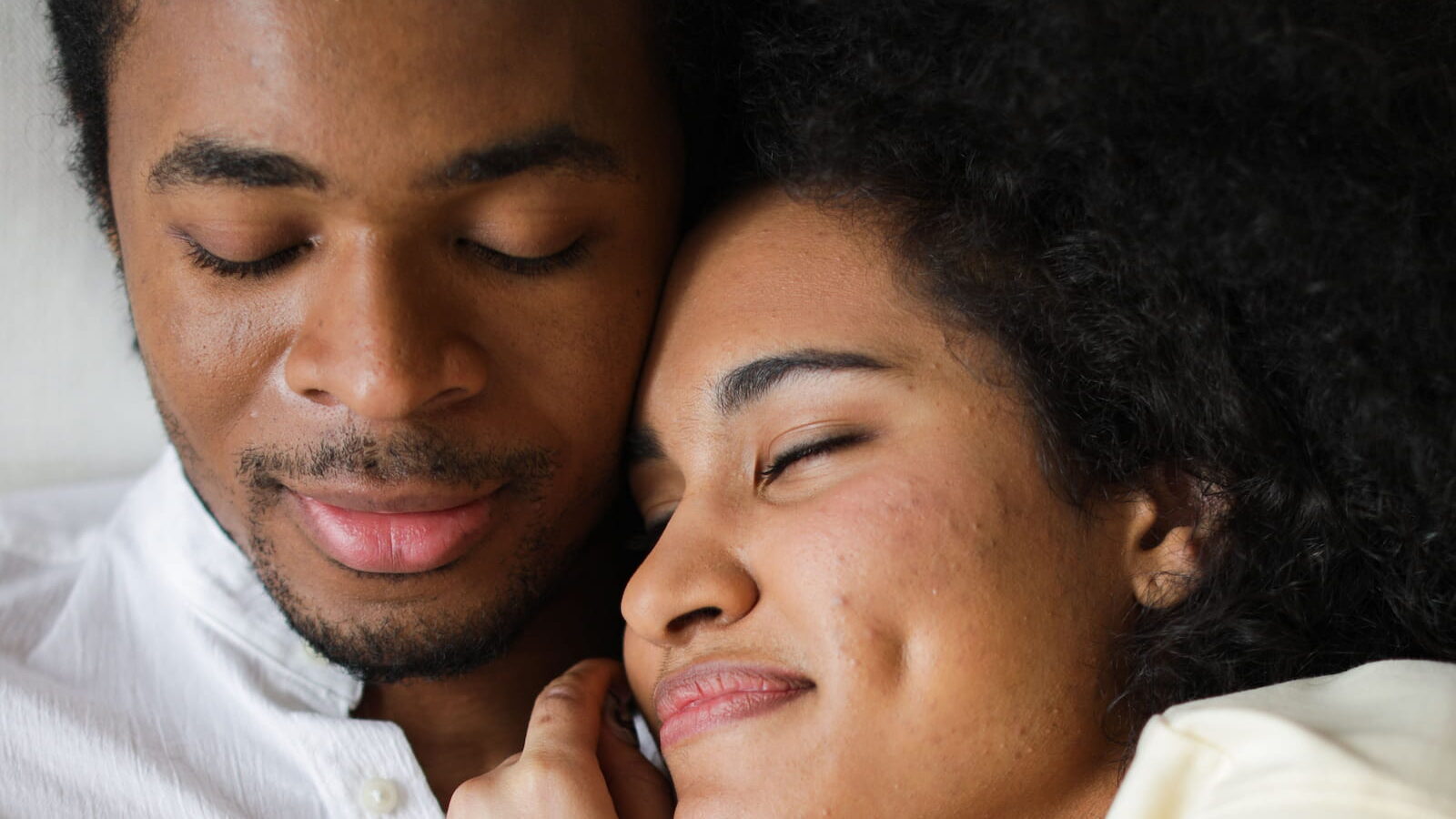
While Peyronie’s disease directly affects one partner physically, it often affects both people emotionally. Partners may experience confusion, sadness, guilt, or uncertainty; some worry about causing pain during intimacy, while others fear bringing up sex because they don’t want to increase embarrassment.
Healthy relationships create space for both people to express their emotions without judgment. Listening with empathy is often more valuable than immediately trying to solve every problem, and relationship experts frequently recommend asking open-ended questions, such as:
These conversations strengthen teamwork instead of allowing assumptions to grow.
Knowledge can reduce fear. Instead of one partner carrying the burden of learning about Peyronie’s disease, consider researching it together. Reading trusted medical resources, attending appointments together when appropriate, or discussing treatment options helps both partners feel informed.
According to the Mayo Clinic, treatment options vary depending on symptom severity. They may include observation, medications, injections, traction therapy, or surgery in some cases. Understanding that many treatment options exist often provides hope. It also reinforces that Peyronie’s disease is a medical condition—not a personal failure.
Many couples unknowingly place enormous expectations on intimacy after a diagnosis. Every encounter begins to feel like a test: Will everything work? Will there be pain? Will this be disappointing? Removing these expectations can dramatically reduce stress.
Instead of viewing intimacy as a single event with a specific outcome, think of it as spending intentional time connecting physically and emotionally. Some couples intentionally plan evenings where intercourse isn’t the goal at all. Instead, they focus on:
This approach helps rebuild confidence without the pressure to “perform.”
There is no shame in asking for help. A urologist can address physical symptoms and discuss treatment options, a certified sex therapist can help couples navigate intimacy concerns, and a licensed mental health professional can assist with anxiety, depression, body image, or relationship stress.
The American Urological Association recommends addressing both the physical and psychological aspects of Peyronie’s disease because emotional distress is common and deserves treatment alongside physical symptoms. Sometimes, just a few counseling sessions help couples develop healthier communication habits and practical coping strategies.
Peyronie’s disease changes certain aspects of life, but it does not erase everything that built your relationship: your sense of humor, your shared memories, your kindness, your friendship, and your love. These remain.
Couples who thrive often intentionally remind themselves of everything that continues to make their relationship meaningful. Practicing gratitude—even during difficult seasons—helps shift attention away from loss and toward connection, while small daily gestures like holding hands, leaving thoughtful notes, expressing appreciation, or planning enjoyable activities together reinforce emotional intimacy outside the bedroom.
Peyronie’s disease often develops in stages. The acute phase, during which pain and curvature may worsen, can last six to 12 months before stabilizing, according to the Cleveland Clinic. Other studies support an even longer timeframe of six to two years. That means relationships may also need time to adjust. Healing isn’t only physical: confidence takes time to rebuild, communication improves through practice, and new routines develop gradually. Permitting yourselves to adapt slowly can reduce frustration and unrealistic expectations because progress doesn’t have to happen overnight.
Perhaps the most important factor in maintaining a healthy relationship with Peyronie’s disease is remembering that the condition affects the relationship, but it is not the relationship. Healthy couples approach the diagnosis together. Instead of asking, “How do I deal with this?” they begin asking, “How do we move through this together?”
That subtle shift changes everything. It transforms Peyronie’s disease from an individual struggle into a shared journey built on compassion, flexibility, patience, and mutual support. Peyronie’s disease can undoubtedly introduce new challenges into a relationship, but it doesn’t have to end intimacy or emotional closeness. Honest conversations, realistic expectations, shared learning, and a willingness to redefine intimacy can strengthen a relationship rather than weaken it.
Every couple’s experience will be different, and there may be moments of frustration or grief along the way. But with communication, professional support when needed, and a focus on connection rather than perfection, many couples discover their relationship becomes more resilient than they imagined. The condition may change how intimacy looks—but it does not determine the quality of love, trust, or partnership that two people can continue to build together.

By subscribing, you consent to receive emails from BlackDoctor.com. You may unsubscribe at any time. Privacy Policy & Terms of Service.