Before meat products hit grocery store shelves or make their way into restaurant kitchens, they’re supposed to undergo federal safety inspection. That’s the standard.
But earlier this month, more than 167,000 pounds of meat were produced without the required inspection.
And the meat – 167,639 pounds of raw pork, beef, and goat – was distributed to restaurants and retailers nationwide, prompting a coast‑to‑coast recall by Star Meat Delivery Inc. The USDA issued a warning to consumers, saying “any product bearing the false establishment number ‘EST. 1363’ should be considered misbranded and unsafe to eat.”
The USDA has reported no illnesses or injuries linked to the recalled meat. The products were produced on various dates before Sept. 22 and shipped to a distributor in Georgia, then sent out to restaurants and retailers across the country.
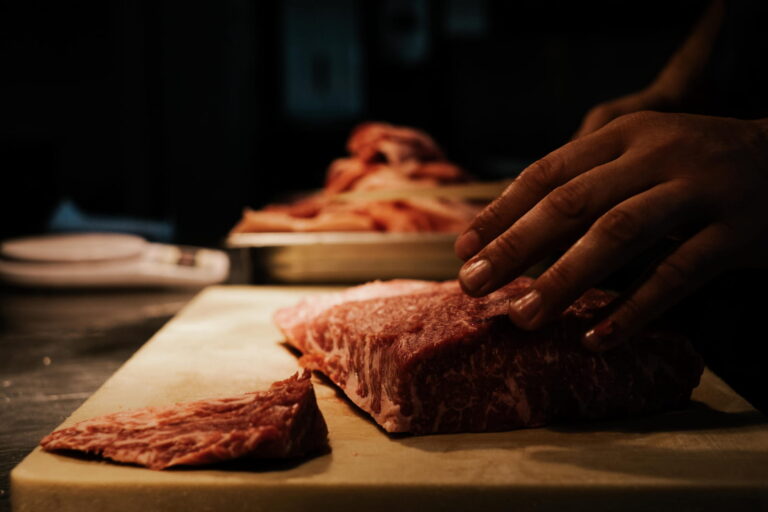
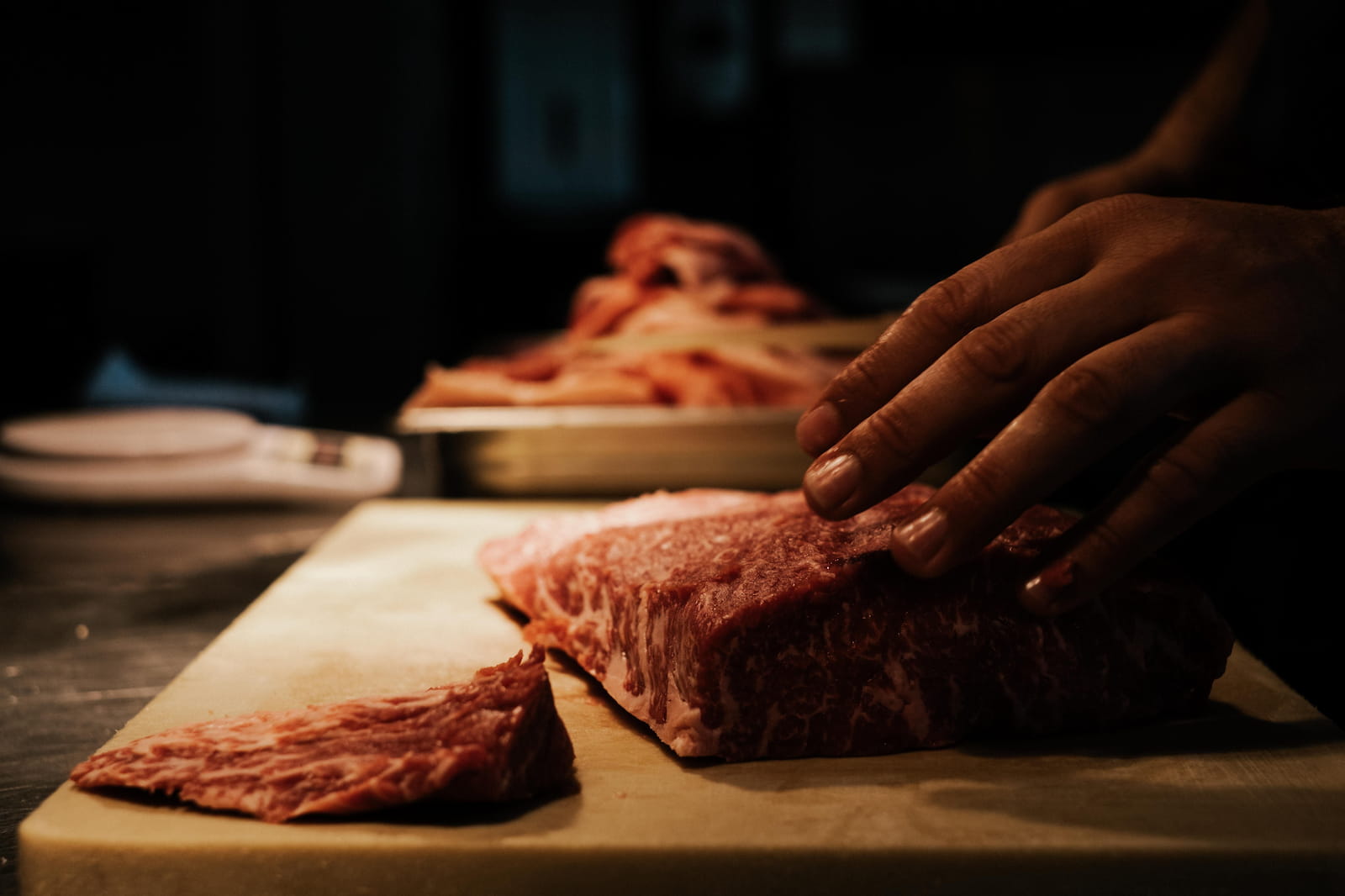
The recall involves a lot of cuts people buy every day. It covers a wide range of raw beef, pork and goat products, including sliced ribeye, beef chuck, oxtail, beef short ribs, ground pork, pork chorizo, pork chops, pork ribs, pork feet, pork Boston butt and goat meat.
The products were vacuum‑sealed and packed in cardboard boxes before being sent to A&D Foods in Georgia. The USDA said stores may have repackaged the meat and added their own price stickers and safe‑handling labels, which means the meat sitting in someone’s fridge or freezer right now might not have the original packaging.
The USDA discovered the problem during a routine check. The recalled products had USDA inspection marks with the establishment number “EST. 1363,” but officials said that number isn’t approved for federal inspection. In other words, the stamp was fake.
Federal agencies say inspection isn’t just a formality. USDA’s Food Safety and Inspection Service (FSIS) requires continuous inspection at facilities that produce meat and poultry, meaning inspectors are on‑site every day operations occur. They check for sanitation, proper handling, contamination risks and whether the facility is following federal food‑safety laws. When that process doesn’t happen, the agency considers the product “adulterated,” even if no one has gotten sick yet.
If you already ate recalled food, don’t panic. Eating it doesn’t automatically mean you’ll get sick. But it’s smart to watch for signs of food poisoning – nausea, stomach cramps, diarrhea, vomiting or fever. Symptoms can show up quickly or take a few days.
According to the FDA, people who develop symptoms should contact their health care provider to report what they ate and get medical guidance. The agency also encourages consumers to report complaints or adverse events, including serious allergic reactions, through its Industry and Consumer Assistance portal.
Food recalls happen when a product violates FDA or USDA regulations. Meat, poultry and processed egg products fall under the USDA, while the FDA oversees everything else, from produce to packaged snacks to infant formula.
A food may be recalled for several reasons: contamination with disease‑causing microorganisms like Salmonella, E. coli or Listeria; the presence of foreign objects such as metal fragments or plastic pieces; mislabeling; or undeclared allergens. The FDA says most recalls are voluntarily initiated by the manufacturer or distributor, though federal agencies can request or mandate recalls when public health is at risk.
The CDC also emphasized that recalls aim to remove potentially unsafe products from circulation before people get sick. Agencies often investigate production facilities, review sanitation logs and test samples to determine whether contamination occurred and how widespread it might be.
You can find the full list of recalled products and labels on the USDA’s website. If you’re unsure whether something in your freezer is part of the recall, the safest move is to throw it out. Food safety experts say when in doubt, don’t taste it; just toss it.

By subscribing, you consent to receive emails from BlackDoctor.com. You may unsubscribe at any time. Privacy Policy & Terms of Service.