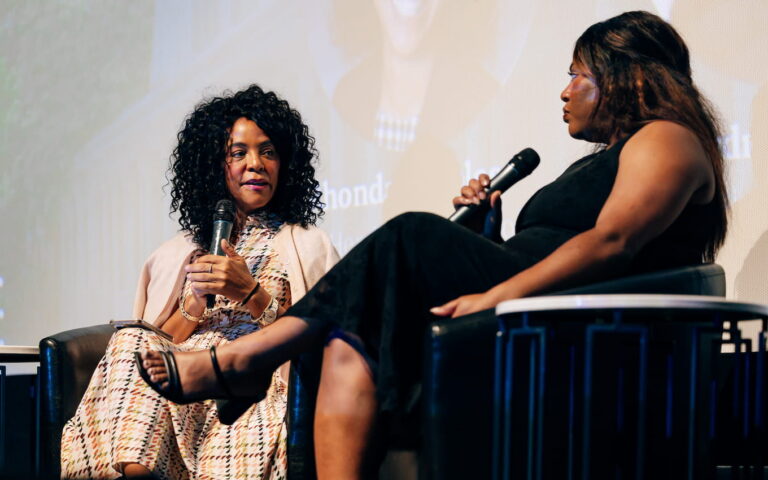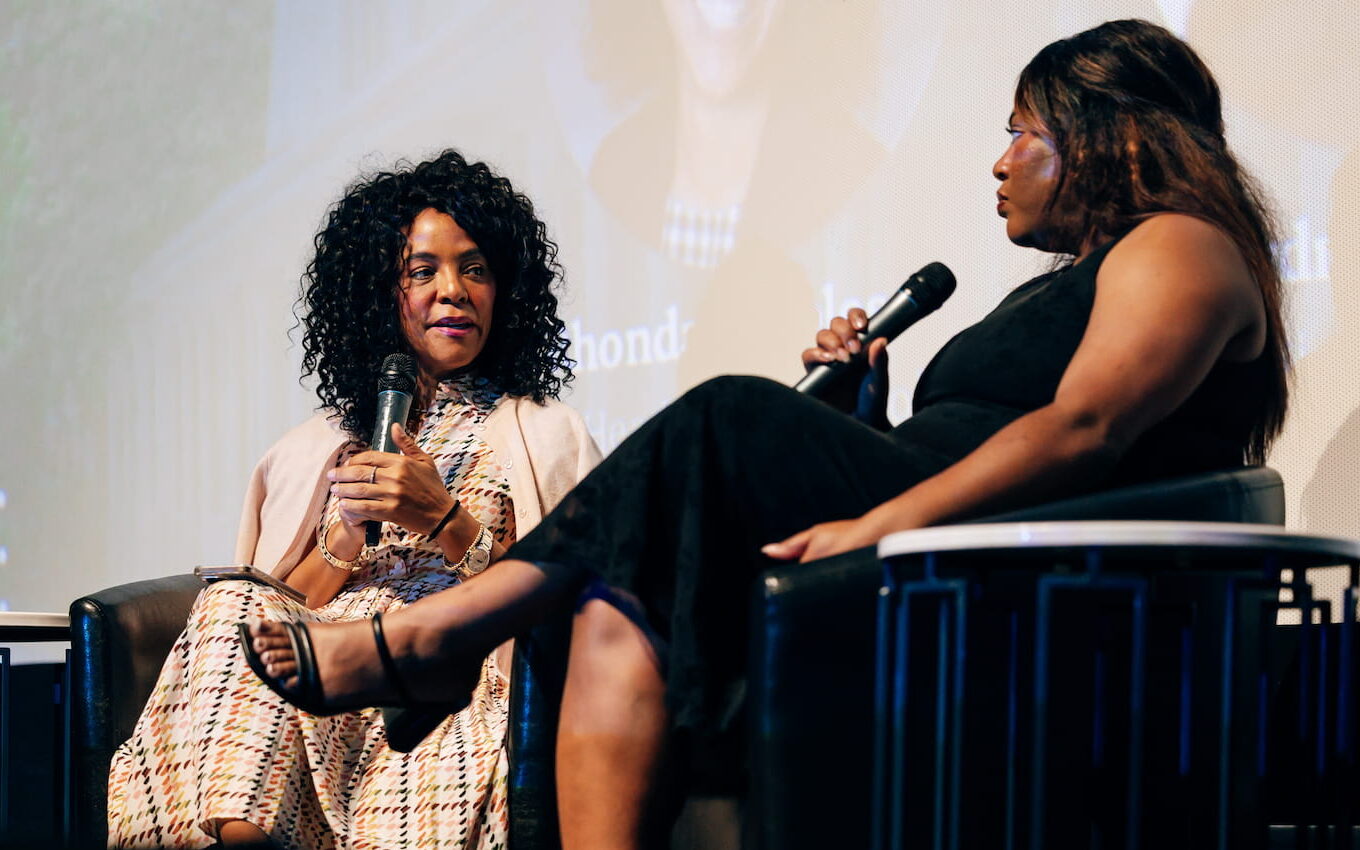
For many people living with hidradenitis suppurativa (HS), the journey to diagnosis can bring years of unanswered questions, painful symptoms and the isolation of believing they are alone. During a live conversation at the BlackDoctor House Martha’s Vineyard, presented in partnership with UCB Pharmaceuticals (UCB), Rhonda Peebles, Vice President and Head of U.S. Dermatology at UCB, sat down with patient advocate Cydney Carter to bring greater visibility to a condition that is frequently misunderstood and surrounded by stigma.
Carter shared that her HS journey began around age 12, when painful, boil-like abscesses first appeared on her inner thighs. Without answers, she assumed something was wrong with her and kept her symptoms hidden.
“I thought I was gross, I thought it was my fault,” Carter told the audience at the Strand Theatre in Oak Bluffs on Martha’s Vineyard, explaining that the shame became so overwhelming that she did not tell her mother until the pain began affecting her ability to walk.
Carter described years of emergency room visits, incision and drainage procedures and repeated antibiotic prescriptions before finally receiving a diagnosis. Even then, limited treatment options and a lack of emotional support left her feeling defeated. She did not return to a dermatologist for seven years.
Peebles reminded the audience that Carter’s experience and challenges is familiar with many in the HS community, Peebles reminded Peebles asked whether she had encountered traditional approaches such as Epsom salt soaks and antibiotics. The exchange prompted Peebles to engage the audience, asking how many had known someone with recurring boils or had heard of HS. The audience participation underscored how familiar the symptoms may be, even when people don’t recognize the condition by name.
Carter shared her story in UCB’s Make HStory campaign, which uses patient storytelling to increase awareness and put real faces and experiences behind HS.
When asked how Make HStory influenced her journey, Carter said its impact was life changing. After the many years spent hiding her symptoms, scars and bandages, she found healing in sharing her experiences and connecting with others.
“It was healing to myself to share my journey, but it was also helping other people,” Carter said.
Peebles asked about the growth of Carter’s social media community and the content she shares. Carter explained that she wanted to create a safe space for people living with HS, offering practical information about skincare, flare management, wound care and navigating motherhood with a chronic condition.
Her community has since grown from approximately 200,000 to nearly one million followers across platforms. More importantly, her openness has encouraged others, including members of her own family, to recognize their symptoms and seek answers.
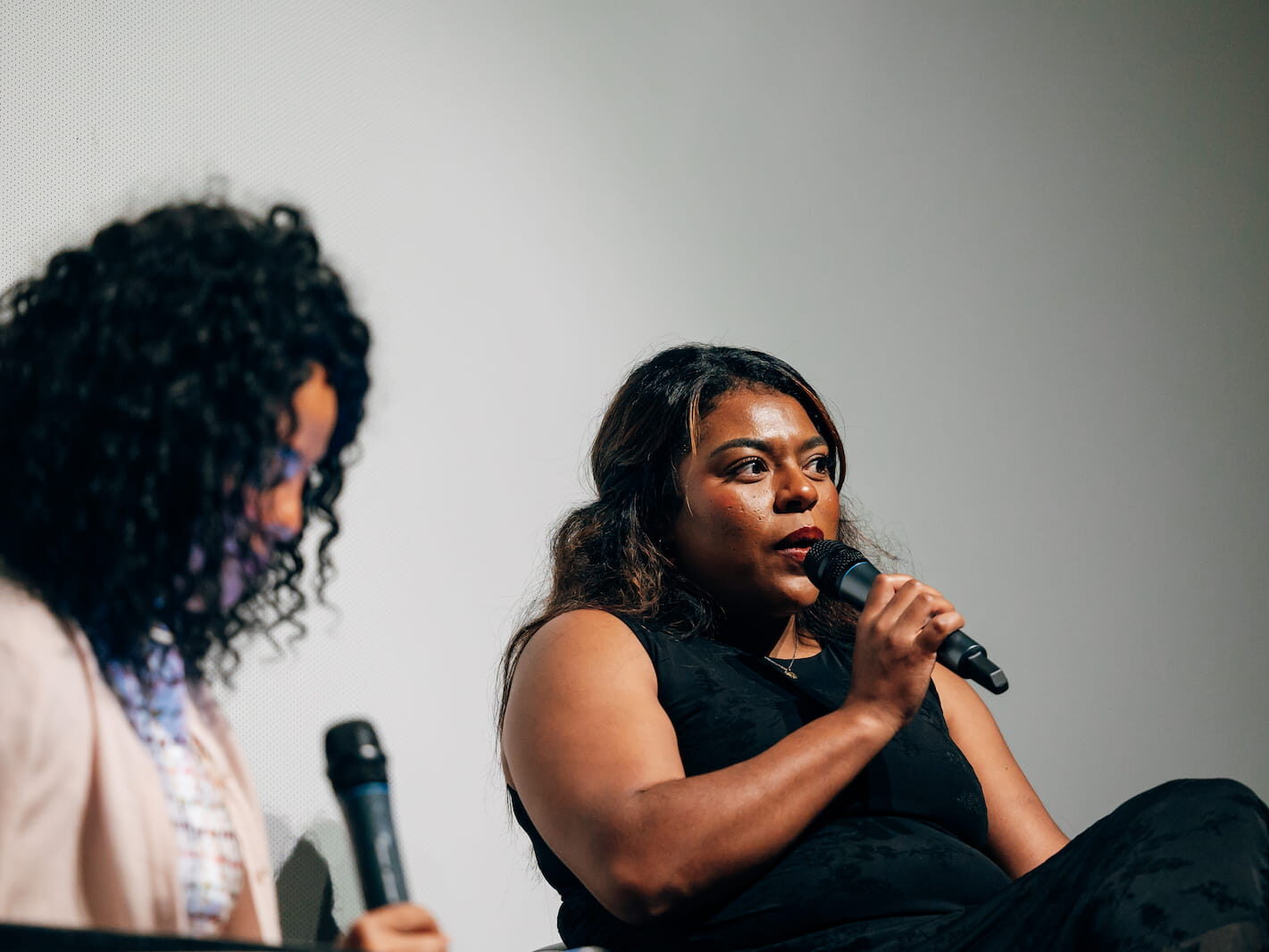
“The best compliment that anybody could give me while I share my life on social media is that they got diagnosed because of me,” Carter said.
Representation and creating spaces where patients feel supported is important, Peebles said. “You are seen, you are heard, and you’re not alone,” she told the audience, emphasizing the need to elevate underrepresented patient voices.
Peebles asked also asked what advice Carter would offer someone still hiding their HS experience. Carter emphasized that speaking up and finding community can be powerful first steps.
“You do not have to advocate the same way I do, but you do need to talk about it,” Carter said.
Finding the right physician is equally important and it is especially important to seek dermatologists with medical dermatology experience and knowledge of HS, Peebles said.
Even then, Carter stressed taking time to find the right one who was informative, resourceful, and would reassure her that her condition was not her fault. The experience was dramatically different from her earlier encounters and reinforced the importance of treating patients with empathy.
“[Doctors] should treat each patient like a person and not a number,” Carter said.
As the conversation concluded, Peebles invited Carter to leave the audience with one final takeaway. Her message extended beyond HS to a broader appeal for compassion and understanding.
“You never know what somebody is going through,” Carter said, reminding the audience that people living with HS may appear healthy while managing significant pain and symptoms that are easy to conceal.
The discussion reinforced that addressing HS requires greater awareness, earlier recognition, knowledgeable healthcare providers and compassionate patient interactions. Ultimately, Carter’s story demonstrated how transforming personal experiences into shared knowledge can help others find answers, speak up and discover they are not alone.


By subscribing, you consent to receive emails from BlackDoctor.com. You may unsubscribe at any time. Privacy Policy & Terms of Service.