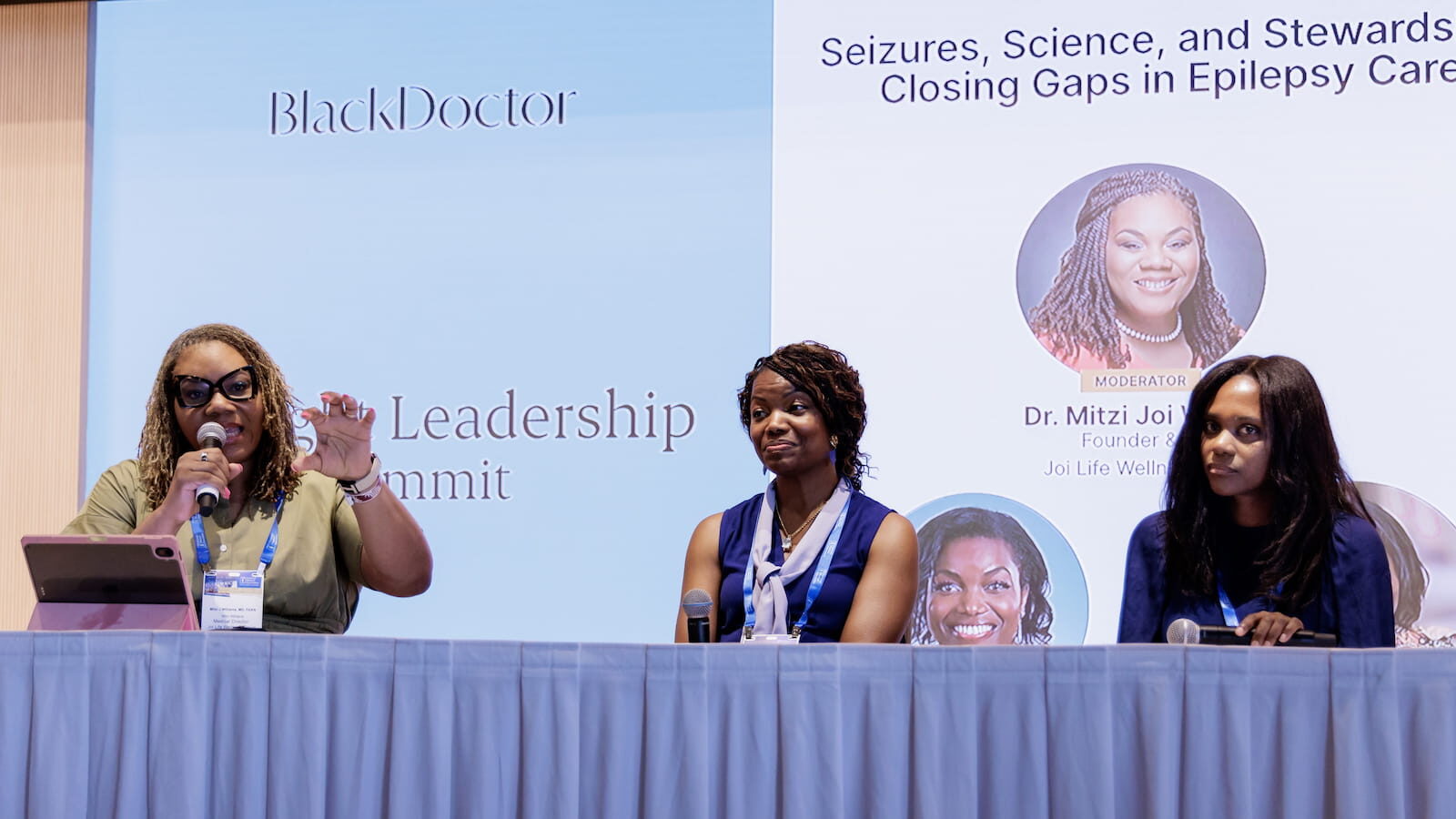
Moderated by neurologist Dr. Mitzi Joi Williams, the discussion featured epilepsy specialists Dr. Chantale Branson and Dr. Takijah Heard, who explored the evolving landscape of seizure diagnosis and treatment, as well as the day-to-day realities faced by patients and families living with epilepsy.
Epilepsy affects millions of Americans, yet for many patients, it remains an invisible condition that is often misunderstood, stigmatized and underdiagnosed.
During the National Medical Association’s Scientific Assembly and Convention on July 27, BlackDoctor convened a panel of leading neurologists to discuss how advances in technology, greater awareness and stronger patient-provider relationships are helping reshape epilepsy care while highlighting the work that remains to address longstanding disparities.
Williams opened the conversation by underscoring the prevalence of the condition, noting that approximately 3.4 million Americans are living with epilepsy and that roughly one in 26 people will be diagnosed during their lifetime. When she asked audience members how many knew someone who had experienced a seizure or lived with epilepsy, most hands in the room went up, reinforcing the reality that epilepsy touches far more lives than many people realize.
One of the most significant changes in epilepsy care has come through advances in technology that are making specialized care more accessible and less disruptive for patients. Branson highlighted the growing availability of at-home EEG monitoring, which allows patients to undergo extended diagnostic testing without requiring a prolonged hospital stay. For many families, avoiding time away from work, school and caregiving responsibilities can remove a major barrier to receiving an accurate diagnosis.
For children living with epilepsy, technology is also helping balance safety with independence. Heard, a pediatric neurologist and epileptologist, pointed to seizure-detection watches and monitoring devices that can alert caregivers while allowing children greater freedom to participate in everyday activities. Rather than requiring constant oversight, these tools can help children engage more fully in their lives while still providing reassurance for families. As Heard explained, these devices can help young patients “be out and be the child that they deserve to be” while still providing a way to track seizure activity.

Telehealth has played an equally important role, particularly for families who live far from major medical centers and may otherwise struggle to access neurologists or epilepsy specialists. Together, these technological advances are helping bring specialized epilepsy care closer to the communities that need it most.
The conversation also focused on the far-reaching impact seizures can have beyond the immediate medical event. Patients may face restrictions on driving after experiencing a seizure, creating challenges that affect employment, education and daily independence. The panelists also emphasized the serious health risks associated with uncontrolled seizures, including the possibility of sudden unexpected death in epilepsy.
Because of those risks, medication adherence remained a central theme throughout the discussion. The physicians noted that breakthrough seizures can occur when patients miss doses of medication, become ill, experience an injury or encounter other factors that lower the seizure threshold. Among those triggers, sleep deprivation remains one of the most overlooked contributors.
Branson, who is board-certified in sleep medicine, stressed that insufficient sleep can worsen seizures while also negatively affecting cognition, mood and anxiety. Despite its significant impact on overall health and seizure control, she noted that “sleep deprivation is really under-recognized and not discussed as much,” making education around healthy sleep habits an important part of comprehensive epilepsy care.

The panelists agreed that treatment plans must account for the realities of patients’ lives. Whether that means simplifying medication schedules, prescribing extended-release formulations or addressing challenges such as difficulty swallowing pills, individualized approaches can help improve adherence and ultimately reduce seizure risk.
Beyond medications and diagnostics, the discussion turned to the importance of treating the whole patient. Mental health emerged as a critical component of epilepsy care, particularly when addressing nonepileptic seizures that may be associated with stress, anxiety or psychological trauma. Understanding the distinction between epileptic and nonepileptic seizures is essential, panelists said, because patients may require very different treatment approaches, and in some cases, both conditions can coexist.
Williams emphasized that effective care begins with honest communication and trust. Patients are often hesitant to admit when they’ve missed medications or struggled with treatment plans, but those conversations are necessary for providers to understand what is truly happening.

“Everybody messes up sometimes,” Williams said, adding that honesty allows physicians to identify the real barriers standing between patients and successful seizure control.
That trust becomes even more important when discussing the disparities that continue to affect Black patients with epilepsy. Williams highlighted data showing that Black patients experience higher rates of emergency department visits, hospitalizations and primary care encounters while simultaneously having fewer neurology visits, lower rates of specialist referrals and less access to epilepsy surgery, even when insurance status is taken into account.
Access challenges extend beyond specialist shortages. Medication affordability, insurance restrictions and prior authorization requirements can all delay treatment and create additional burdens for patients. Heard encouraged primary care providers to make referrals to neurologists and epilepsy specialists early, recognizing that specialty appointments can often take weeks or months to secure.
Branson also emphasized the role representation plays in patient outcomes and trust, noting that “patients who look like their providers receive better care.” Building a diverse healthcare workforce, she suggested, is one important step toward improving patient engagement and addressing inequities within the healthcare system.
Looking ahead, the panelists expressed optimism that both education and innovation can help change the future of epilepsy care. Heard believes that broader public understanding remains one of the most powerful tools for reducing stigma and empowering patients.
“Education is going to be the thing that’s going to move the needle,” she said, explaining that many people still have limited understanding of epilepsy because it is often a condition that cannot be seen from the outside.
That message captured the larger purpose of the discussion: epilepsy may be invisible, but the people living with it should never feel invisible.
Branson pointed to artificial intelligence as another area with tremendous potential. As home monitoring technology continues to evolve and healthcare systems face shortages of neurologists and epilepsy specialists, AI could help expand diagnostic support, improve efficiency and increase access to expert guidance.
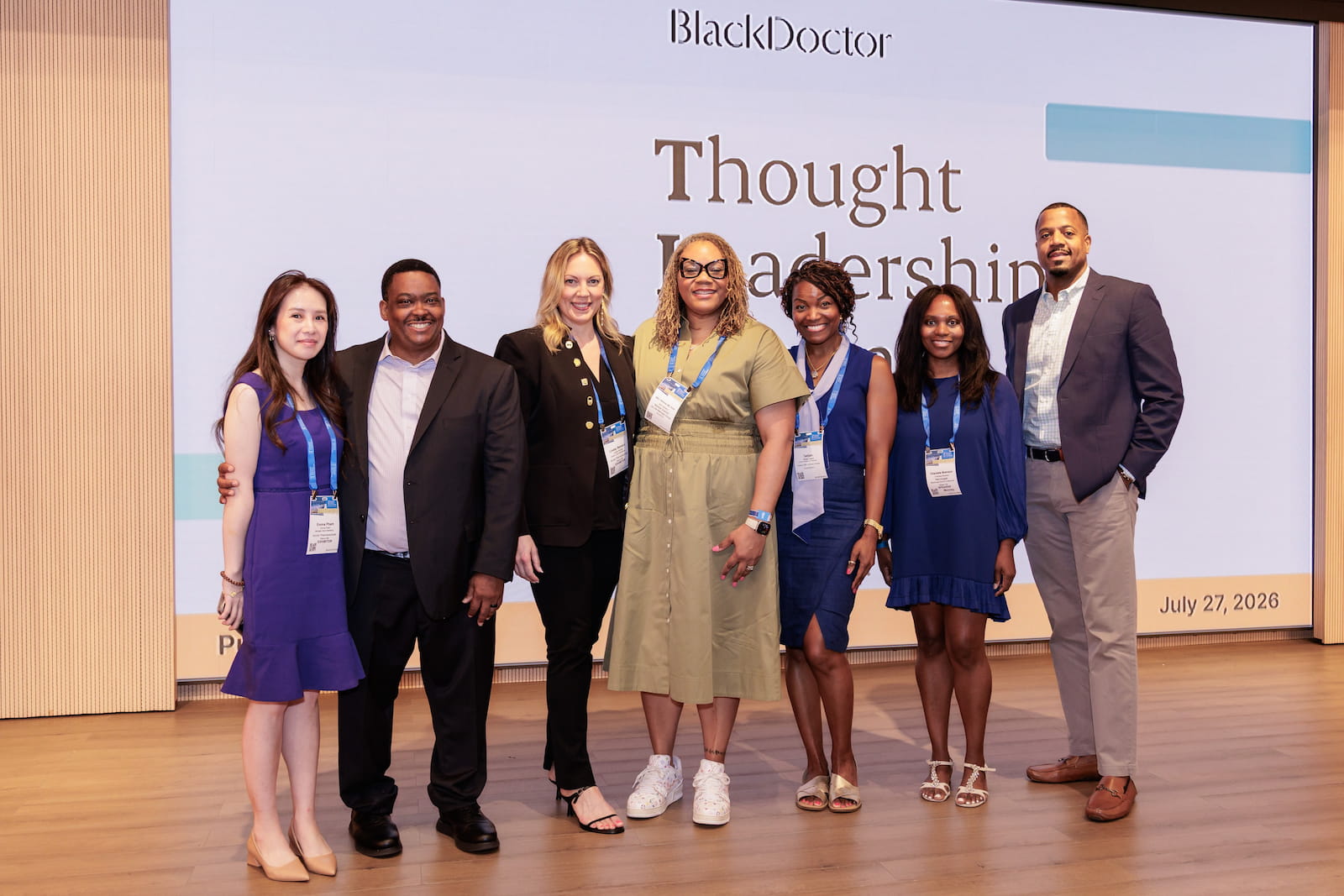
Throughout the discussion, however, the panelists repeatedly returned to a reminder that innovation alone is not enough. Awareness, representation and human connection remain essential parts of epilepsy care. Williams emphasized the importance of helping patients, particularly young Black patients, understand that they are not facing the condition in isolation.
“We have to raise awareness and let people know that this is a condition that affects us and that you’re not alone,” she said, a message that echoed throughout a conversation centered not only on improving seizure treatment but also ensuring that the people living with epilepsy feel seen, supported and understood.


By subscribing, you consent to receive emails from BlackDoctor.com. You may unsubscribe at any time. Privacy Policy & Terms of Service.