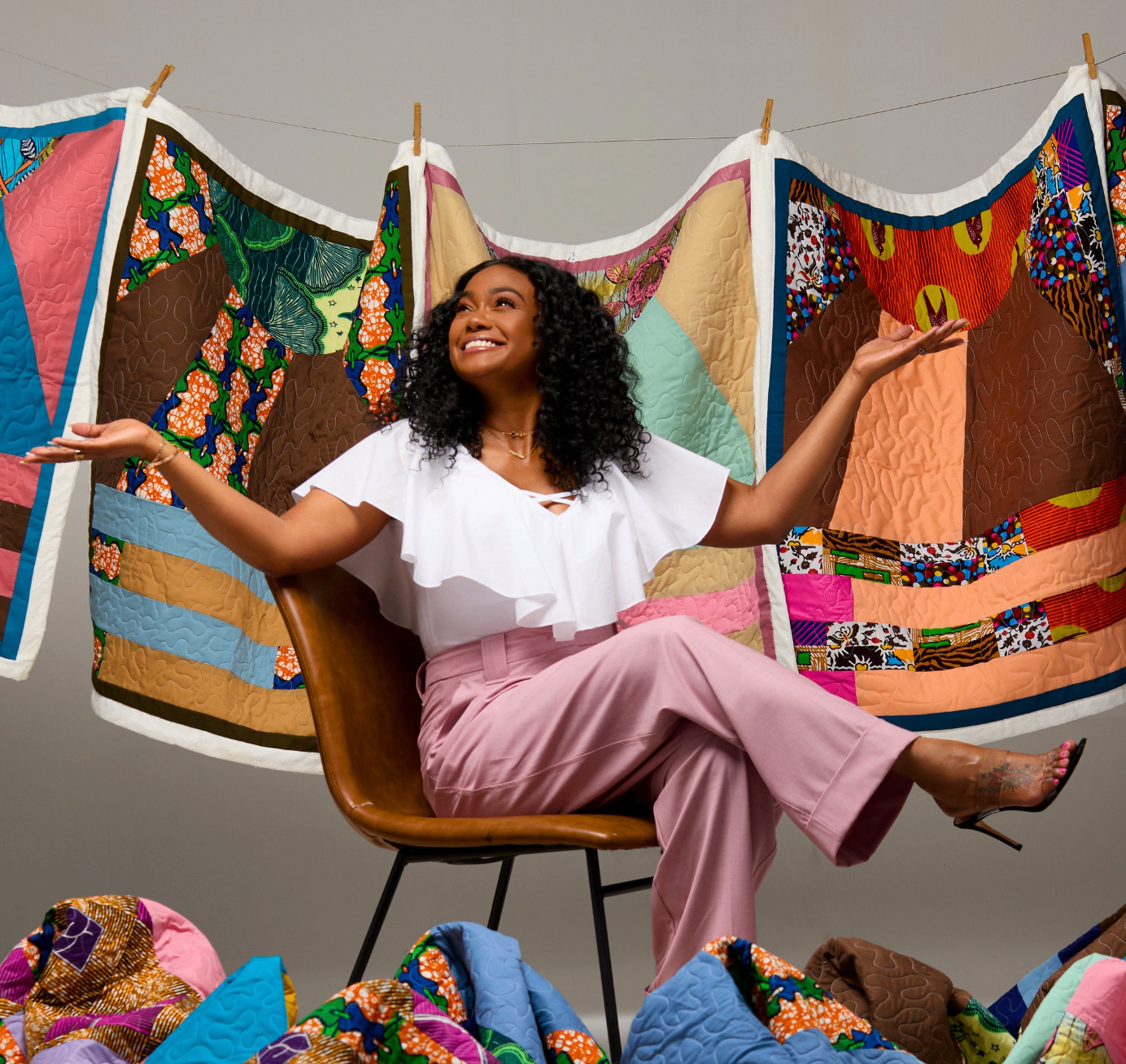
Tatyana Ali has spent years talking about what went wrong when she gave birth to her first son. Now, she wants the conversation to focus more on what can go right.
The actress and maternal health advocate, who has described experiencing obstetric violence during the 2016 birth of her son Aszi, is using her platform—and her baby-quilt business—to help Black and Indigenous families get access to the kind of birth support she says changed her own experience of motherhood.
“There are solutions. The solutions exist now,” Ali told NPR in a recent interview. “There are birth centers, there are midwives educating themselves, doulas going into practice.”
For Ali, 47, supporting those solutions has meant putting money behind the people providing the care.
Through Baby Yams, the company she launched in 2024, Ali has partnered with the Birth Future Foundation (BFF) to help fund Black and Indigenous midwives and other birth workers. Their first Watering the Seeds midwifery grant awarded $75,000 to 67 Black and Indigenous midwives and midwifery students across the country.
That support helped turn the goal of becoming a midwife into a reality for some Black birth workers.
RELATED: What Black Expectant Mothers MUST Know About Their Rights (According to a Doula)
Ali has spoken openly about the birth of her first child. As BlackDoctor previously reported, she has said her birth plan was ignored and that several people physically restrained her during a chaotic delivery that ended in an emergency C-section. She eventually came to describe the experience as obstetric violence.
But Ali has made an important distinction about what ultimately pushed her toward advocacy.
“The trauma did not start my advocacy,” she told Future of Personal Health earlier this year. “The loving hands that cared for me afterwards did.”
When Ali became pregnant with her second child, she sought out a Black midwife.
She has described that experience as dramatically different. Her midwife learned about her family and medical history, asked permission before touching her, and gave Ali information so she could make her own decisions. When her planned home birth ultimately became another hospital C-section, her midwife stayed with her and later supported her postpartum recovery and lactation.
For Ali, it showed what maternity care could look like when a mother feels heard, informed, and respected.
But getting that care wasn’t easy … or cheap.
Ali said she paid $8,000 out of pocket for midwifery care and spent two and a half years fighting her insurance company for reimbursement.
“We must invest in community midwives and doulas, so families have choices,” she said.
RELATED: Doctors Told Her to End Her Pregnancy — Until She Got a Second Opinion
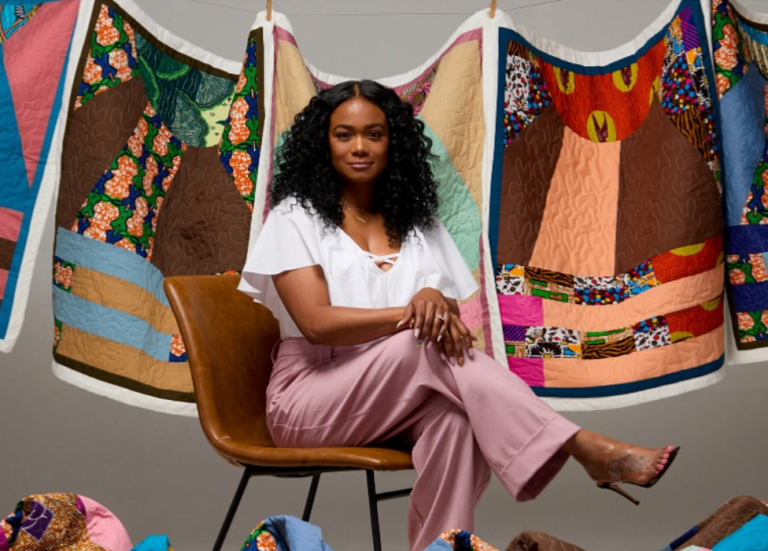
Ali launched Baby Yams with handmade baby quilts inspired by one she made during her own pregnancy. But from the beginning, the quilts had a bigger purpose.
Baby Yams partnered with Birth Future Foundation, an organization working to expand access to midwifery and invest in Black and Indigenous birth workers. BFF says the partnership shares a goal of supporting birth workers who can provide culturally concordant reproductive care.
Its first BFF + Baby Yams Watering the Seeds grant program focused specifically on Black and Indigenous practicing midwives and midwifery students. Individual grants ranged from $500 to $2,500.
Ultimately, 67 people received a combined $75,000.
One of them was Alabama birth worker Nadia Gramby.
Gramby told NPR that financial support from the Birth Future Foundation helped her meet the licensing requirements she needed to advance from doula to midwife.
That may sound like one tiny success, but in communities where maternity care can already be difficult to find, adding another trained birth worker can mean another option for pregnant women who might otherwise have none.
Birth Future Foundation has continued investing in that workforce. In 2025, its Watering the Seeds program awarded grants to 100 doulas across the country.
Ali’s story is one Black families know too well.
In 2024, 649 women in the United States died from maternal causes, according to the CDC. The maternal mortality rate for Black women was 44.8 deaths per 100,000 live births—more than three times the rate for white women, at 14.2.
But surviving pregnancy and childbirth isn’t the only way to measure good maternity care.
The 2026 Listening to Mothers survey of 3,857 mothers found that too many women reported feeling unheard, disrespected, ignored, or neglected during their maternity care. Black, American Indian/Alaska Native, and other mothers of color reported greater barriers and worse experiences in several areas.
That’s why having choices about who provides your care is important.
Midwives are trained health professionals who can provide clinical care during pregnancy, birth, and postpartum.
Doulas generally provide nonmedical physical, emotional, and informational support. Both can be part of a larger maternity-care team that also includes obstetricians, nurses and other providers.
And for some Black families, having a Black midwife or doula can offer something else: care from someone who understands the cultural context they bring into the room and the concerns many Black mothers carry about whether they will be heard, believed, and respected.
This is what Ali experienced herself, and now she’s helping other families have more options than she did the first time around.
RELATED: It Shouldn’t Be This Dangerous for a Black Woman to Have a Baby
Black women know the advice:
And yes, those things can help.
But there’s a limit to how much we can ask individual Black women to advocate for themselves against problems built into the health care system.
Ali’s work asks a different question: What if we put more resources behind the care Black mothers are already asking for?
That can mean:
Ali’s second birth showed her what having those choices could feel like.
Now a quilt company born from her own motherhood journey is helping more of the people who provide that care get into—and stay in—the profession.
“We deserve to be cared for,” Ali told NPR. “We deserve to have choices. We deserve to have control over our own bodies.”
The solutions, as Ali says, already exist, and she’s helping put some of them within reach.

By subscribing, you consent to receive emails from BlackDoctor.com. You may unsubscribe at any time. Privacy Policy & Terms of Service.