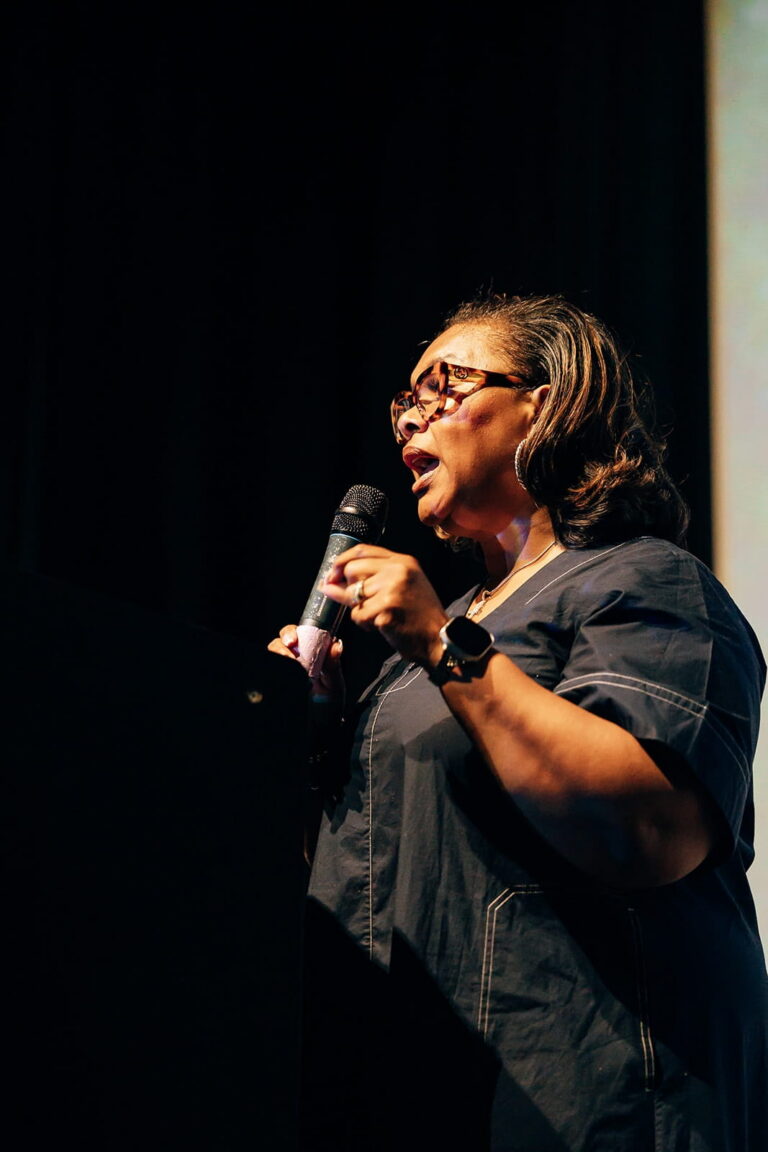
Healthy aging doesn’t have to mean trying to look or feel 25 again. It can mean having enough strength to carry groceries into the house, being able to stand in the kitchen and make Sunday dinner, traveling to a family reunion, walking into church without worrying about falling, or working in your garden, dancing at a wedding, caring for your grandchildren, or continuing to live comfortably in your own home.
For Black adults, aging well can also be deeply connected to family, faith, community, culture, and the ability to pass knowledge to younger generations. Research with Black older adults has found that family relationships, spirituality, mentoring, volunteering, creativity, and community leadership can all shape how people think about aging well.
The goal isn’t to avoid every health problem. It’s to protect your ability to keep doing the things that make your life feel like your life. Here are seven practical ways to start.
RELATED: Four Muscles That Can Predict How Well You’ll Age
Exercise doesn’t have to be about losing weight or training for a marathon. Think about what you want your body to keep doing. Do you want to carry your own suitcase through the airport? Get up and down the stairs? Play with your grandchildren? Dance? Garden? Carry laundry? Keep cooking for family gatherings? Strength, walking, and balance exercises can help protect those abilities.
The National Institute on Aging explains that regular physical exercise can improve the ability to complete everyday tasks and help older adults maintain their independence. Try including three types of movement:
You don’t need an expensive gym membership. Walking around your neighborhood, dancing in the living room, gardening, lifting light weights, using resistance bands, or practicing standing up from a chair can all count.
Muscle-strengthening activities at least twice a week and regular balance exercises are essential for older adults. If you haven’t exercised in a while or have a health condition, start slowly and talk with your healthcare provider about what is safe for you. Most people can still do some type of activity even when they’re coping with a chronic condition.
RELATED: The Everyday Habits That Could Be Aging You Faster
Sometimes a small health change can have a big effect on daily life. Maybe you’re having trouble reading medication labels. You’re turning the television up louder. Your dentures aren’t fitting correctly. Or a new medication is making you dizzy. Don’t ignore these changes.
Regular appointments for your vision, hearing, dental health, medications, and overall health can help catch problems before they begin interfering with everyday activities. The National Institute on Aging recommends regular medical checkups and keeping an updated list of prescription medicines, over-the-counter medications, and supplements to review with medical professionals.
Prescription evaluations are especially important if you take several prescriptions. Ask:
Vision and hearing are also important as you age. The National Institute on Aging notes that even small changes can make it harder to move around safely and may increase your risk of falling. Some medications can also cause dizziness or tiredness. Regular checkups can help you continue driving, cooking, enjoying conversations, managing medications, and handling everyday activities on your own.
RELATED: What Most Black Seniors AREN’T Sharing with Their Doctor
Many people want to stay in their own homes as they get older. A few simple changes can make that safer without making your home feel like a hospital. Remove loose rugs and cords, improve lighting, keep everyday items within easy reach, add handrails or bathroom grab bars as needed, and make sure you can move safely at night.
The National Institute on Aging recommends fall-proofing the home, along with staying active and handling vision, hearing, medication, and sleep problems that may increase fall risk.
You can still have the rugs, family photographs, artwork, church programs, plants, and furniture that make your home feel familiar. Safety changes should help you keep living your life—not make you feel like a patient in your own home.
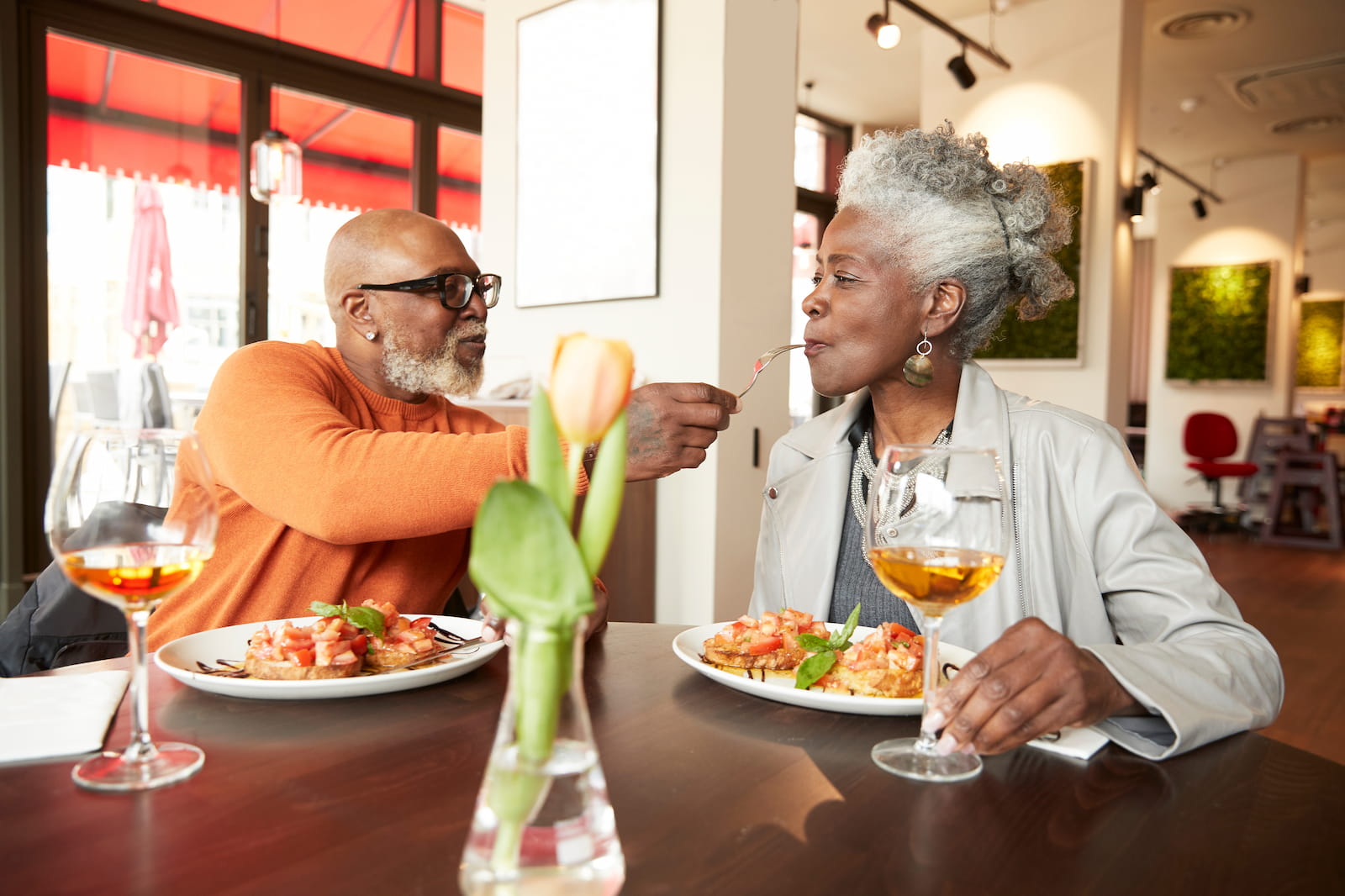
Healthy eating doesn’t mean giving up the foods you grew up with and love so much. Favorite dishes like collard greens, sweet potatoes, beans, okra, fish, and cornbread can still be part of your meals, just maybe not all the time. Focus on enjoying cultural foods while creating simple ways to make dishes nutritious and balanced.
Researchers working with older Black adults found that culturally familiar foods and traditions mattered when discussing healthier eating. Their work suggested that modifying familiar foods may be more useful than simply telling people to remove traditional foods from their diets.
For example, you might add more vegetables to meals, choose baked or grilled foods more often, use herbs and spices for flavor, watch sodium when medically necessary, or make small changes to how you prepare favorite dishes.
Nutrition needs can also change with age and medical conditions, so don’t assume one diet works for everyone. Talk with your doctor or a registered dietitian if you have diabetes, kidney disease, heart disease, swallowing problems, unexpected weight loss, or another condition that affects how you should eat. Food is more than nutrients. It’s also memory, family, celebration, and culture. A healthy aging plan should make room for all of that.
Retirement can sound wonderful when work has filled most of your adult life. Then retirement actually happens. Suddenly, the coworkers you saw five days a week aren’t around. Your children have their own household. Friends may move away or experience health problems. Your daily schedule can become much quieter. That’s why healthy aging includes more than caring for your body. Stay connected to people and activities that give your days meaning.
That might mean church, fraternity or sorority activities, volunteering, a walking group, a gardening club, a senior center, a book club, a community organization, or regular family dinners. Regular contact with family and friends, plus activities such as volunteer organizations, garden clubs, and walking groups, can support social connection.
Purpose can also come from what you give to younger generations. Teach your grandchildren your recipes. Tell family stories. Mentor a young person at church. Teach someone how to garden, sew, fix something, manage money, or manage a career.
Research with Black older adults has highlighted the importance of family ties, spirituality, volunteering, mentoring, creativity, and leaving a legacy for younger generations. Growing older doesn’t mean becoming less useful. You still have something to give.
Independence isn’t only about being able to walk around your home. It’s also about being able to leave it. How will you get to the grocery store if you stop driving someday? What about church, doctor’s appointments, the pharmacy, your grandchild’s basketball game, or a friend’s birthday dinner? Plus, many older people don’t want to be a burden.
Plan ahead for how you’ll get around if driving becomes harder. Look into options like public transportation, senior or community transportation, rides from family and friends, church transportation, or ride-share services.
The federal Administration for Community Living provides resources for finding accessible transportation services, including the Eldercare Locator and community transportation programs. The Eldercare Locator can also connect older adults and families with local services for transportation, meals, home care, caregiver support, and other needs. Having backup options doesn’t mean giving up your independence. It helps protect it.
Advance care planning can feel uncomfortable. Some families avoid talking about illness or end-of-life care because it feels excessively negative. But planning ahead isn’t about giving up. It’s about staying in control. Advance care planning allows you to explain what kind of medical care you would want if you became too sick or injured to speak for yourself.
According to the National Institute on Aging, these conversations aren’t only for people who are seriously ill. An unexpected medical emergency can happen at any age, and planning ahead can help make sure your wishes are understood.
Start with a conversation. Who would you trust to make medical decisions for you? What matters most to you if you become seriously ill? What treatments would you want—or not want? Would you want to remain at home as long as possible? Who should be involved in important decisions?
A healthcare proxy is someone you choose to make medical decisions if you can’t communicate them yourself. The National Institute on Aging explains that this person should understand your wishes and be willing to honor them. Talk with your loved ones and healthcare provider, put important wishes in writing, and make sure the right people have copies. These conversations don’t take away hope. They protect your voice.
Healthy aging isn’t about looking younger or reaching a certain number on the scale. It’s about being able to keep doing the things you enjoy. Think about what you want your life to look like 10 or 20 years from now. Maybe you want to travel, cook for your family, sing in the church choir, garden, spend time with your grandchildren, volunteer, or continue living in your own home.
Once you know what’s important to you, you can make health choices that support those goals. Stay active, keep up with medical, dental, vision, and hearing care, eat foods that nourish you, make your home safer, and stay connected with family and friends. It can also help to plan ahead for transportation, healthcare, and other needs that may change as you get older.
Aging well doesn’t mean doing everything you did when you were younger. Family, community, culture, faith, and having a sense of purpose can all be important parts of growing older. The goal is to stay as healthy and independent as possible so you can keep enjoying the people, activities, and experiences that matter most to you.

By subscribing, you consent to receive emails from BlackDoctor.com. You may unsubscribe at any time. Privacy Policy & Terms of Service.