In 2012, President Barack Obama proclaimed September as National Childhood Cancer Awareness Month to raise awareness of pediatric cancer, which remains the leading cause of disease-related death among children under 14.
For Reagan’s family, the month is deeply personal.
Reagan was diagnosed with embryonal rhabdomyosarcoma (ERMS) in November 2023. According to the American Cancer Society, ERMS is the most common type of rhabdomyosarcoma and typically affects children during their first five years of life, though it can also occur in older children.
Despite her young age, Reagan has already undergone surgery, chemotherapy and, after her cancer returned in 2025, a second round of treatment that includes proton beam radiotherapy.
You would never guess any of that upon meeting her.
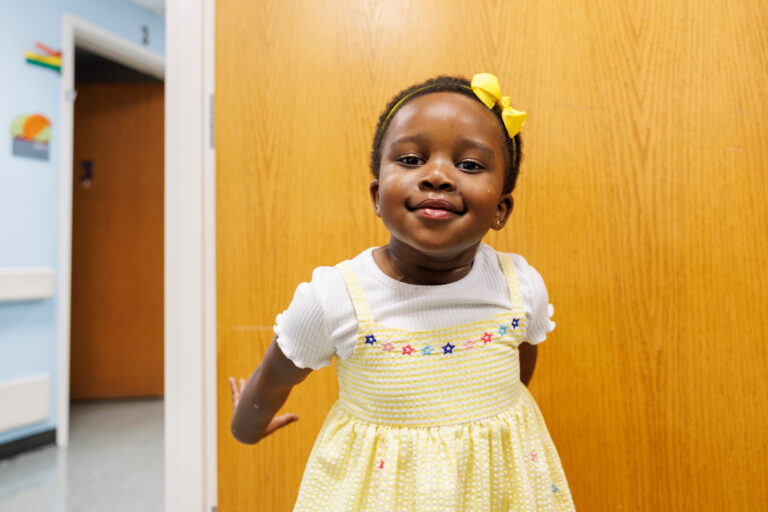
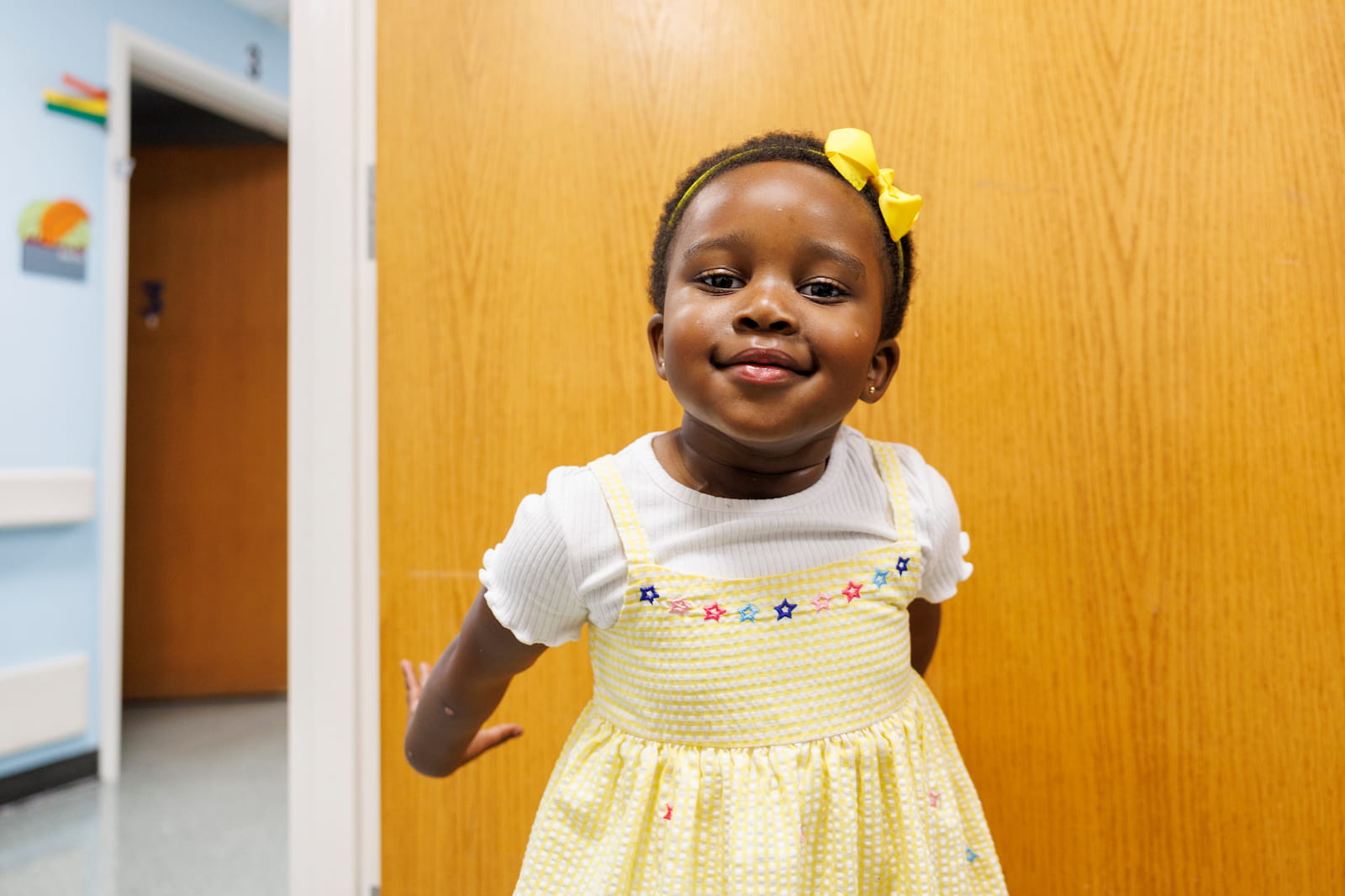
At just four years old, Reagan has a vibrant personality and isn’t afraid to speak her mind. The “little firecracker” is the complete opposite of her mom, Kiara, who is quiet and thoughtful.
On any given day, Reagan can be found brightening the halls of St. Jude Children’s Research Hospital®. Whether she’s talking about her favorite ramen noodles, stopping a nurse for a chat or offering bold, unsolicited advice, she leaves an impression wherever she goes.
When people meet Reagan, something special happens. One conversation with her can completely transform someone’s day.
“They’ll say, ‘Hey, I’m glad I saw you today, Reagan,'” Kiara said. Kiara can tell they really mean it.
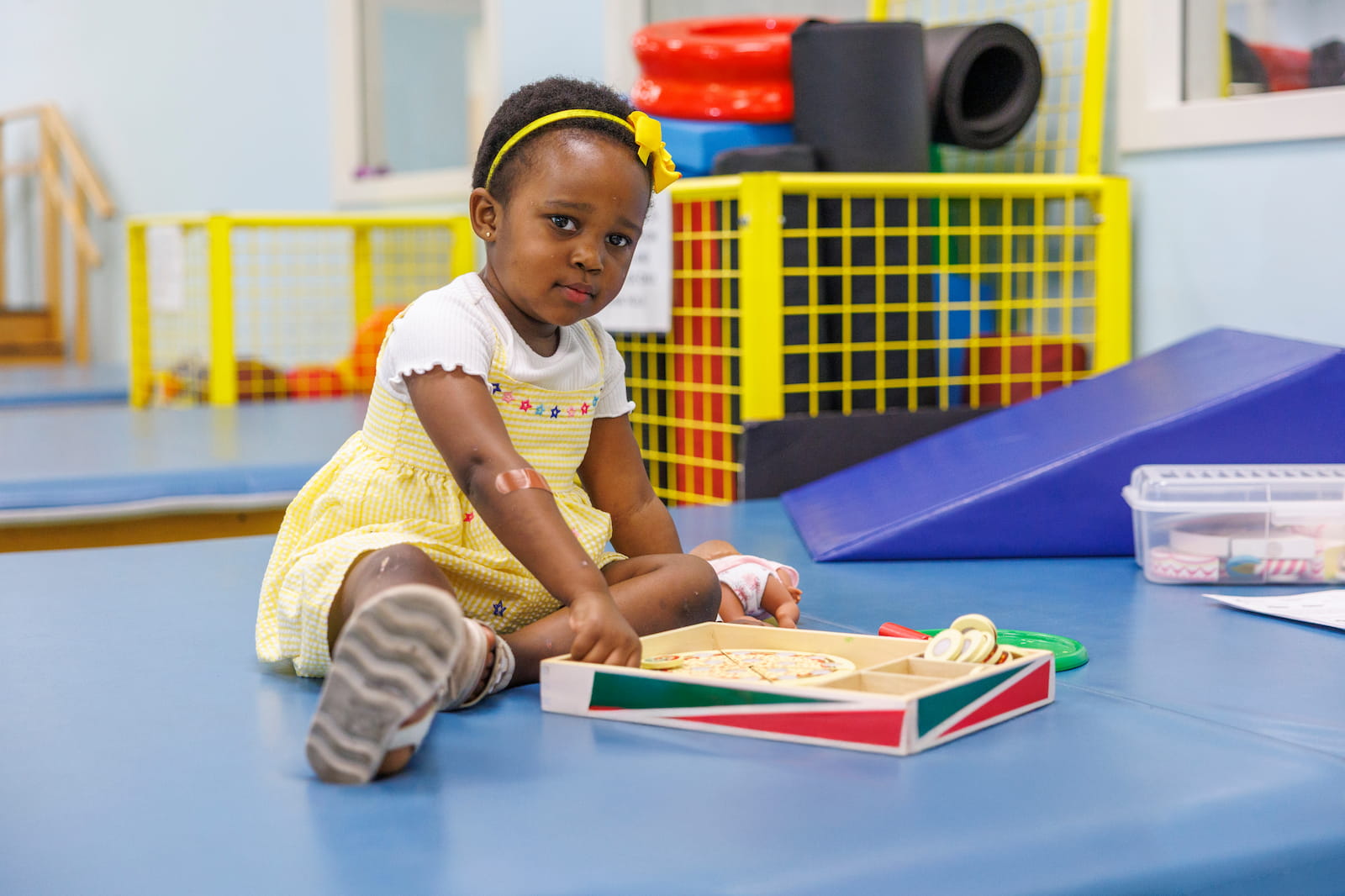
“To be a four-year-old going through what she’s going through, it’s tough,” her dad, Bronte, said. “But somehow, in every room she walks into, she makes people’s days better.”
That’s one of the things Kiara appreciates most about her daughter: her ability to simply be herself and bring joy to those around her.
That spirit has remained constant since November 2023, when Reagan was referred to St. Jude after doctors discovered a mass.
Soon after came the devastating diagnosis.
“At St. Jude, it was almost like a movie,” Bronte recalled. “The doctors come in and say, ‘Well, we’ve run some tests …'” before delivering the shocking news: Reagan had cancer.
“I always imagined that if I were ever in that situation, I would break down and cry,” he said. “Instead, there was just silence. You never expect your family to be the ones sitting in that room.”
According to the American Cancer Society, about 9,680 children in the United States are expected to be diagnosed with cancer in 2026, while an estimated 200,000 children worldwide are diagnosed each year.
RELATED: ‘She Can Be a Child’: How a Bone Marrow Transplant Changed One Child’s Life

Naturally, Kiara and Bronte were terrified. But those fears began to ease once treatment started.
“We were welcomed with so much love and understanding,” Kiara said. “You see how hard-working and diligent these doctors are when it comes to saving these kids, and you think, ‘OK, I can relax.'”
The family also found relief in knowing they would not have to worry about paying for treatment, travel, housing or food.
“Not having to worry about the financial aspect gives us that space to completely key in on Reagan and focus on what she needs,” Bronte said. “It’s been very beneficial, helping us maneuver through it emotionally, mentally and spiritually.”
As they learned more about Reagan’s diagnosis, Kiara and Bronte met with a genetic counselor and discovered she did not have a genetic mutation known to increase cancer risk. That meant their chances of having another child with cancer were relatively low.
They also learned about the potential long-term effects of treatment.
With so much information arriving all at once, Kiara understandably felt overwhelmed. Fortunately, Reagan’s caseworker connected her with a therapist, whom she credits with helping her through some of the most difficult moments.
There was reason for hope.
According to St. Jude, survival rates for embryonal rhabdomyosarcoma have improved significantly over the past several decades due to multimodal treatment approaches that combine surgery, chemotherapy and, in some cases, radiation therapy.
For Reagan, treatment began with surgery to remove about 80 percent of the tumor, followed by chemotherapy to destroy any remaining cancer cells. The treatment course lasted nearly a year.
Like many children undergoing chemotherapy, Reagan experienced side effects, including nausea and vomiting. During those moments, Kiara would rub her daughter’s back and comfort her. Fortunately, Reagan had far more good days than bad.
She completed treatment in late 2024, and the family celebrated.
Unfortunately, the celebration was short-lived.
At her first three-month follow-up appointment in early 2025, tests revealed active cancer cells.
Reagan is now undergoing a second treatment plan that combines chemotherapy and proton beam radiotherapy to treat her recurrent cancer.
“It’s such a relief to see that they have a plan in place,” Kiara said. “And it’s also one where my kid can still be as much of a kid as possible in the process.”
This round of treatment is more aggressive than the first. Doctors warned the family to expect increased fatigue, nausea and mood changes.
Thankfully, that hasn’t been the reality.
For the most part, Reagan has persevered with little complaint.
As her daughter continues treatment, Kiara often finds hope in a hallway lined with portraits of St. Jude cancer survivors. Each adult survivor holds a framed photo of their younger self during treatment.
For Kiara, those portraits represent possibility.
“When I see those pictures, it gives me so much hope,” Kiara said. “It makes me think, OK, Reagan has a future.”
That future may even include a career at St. Jude.
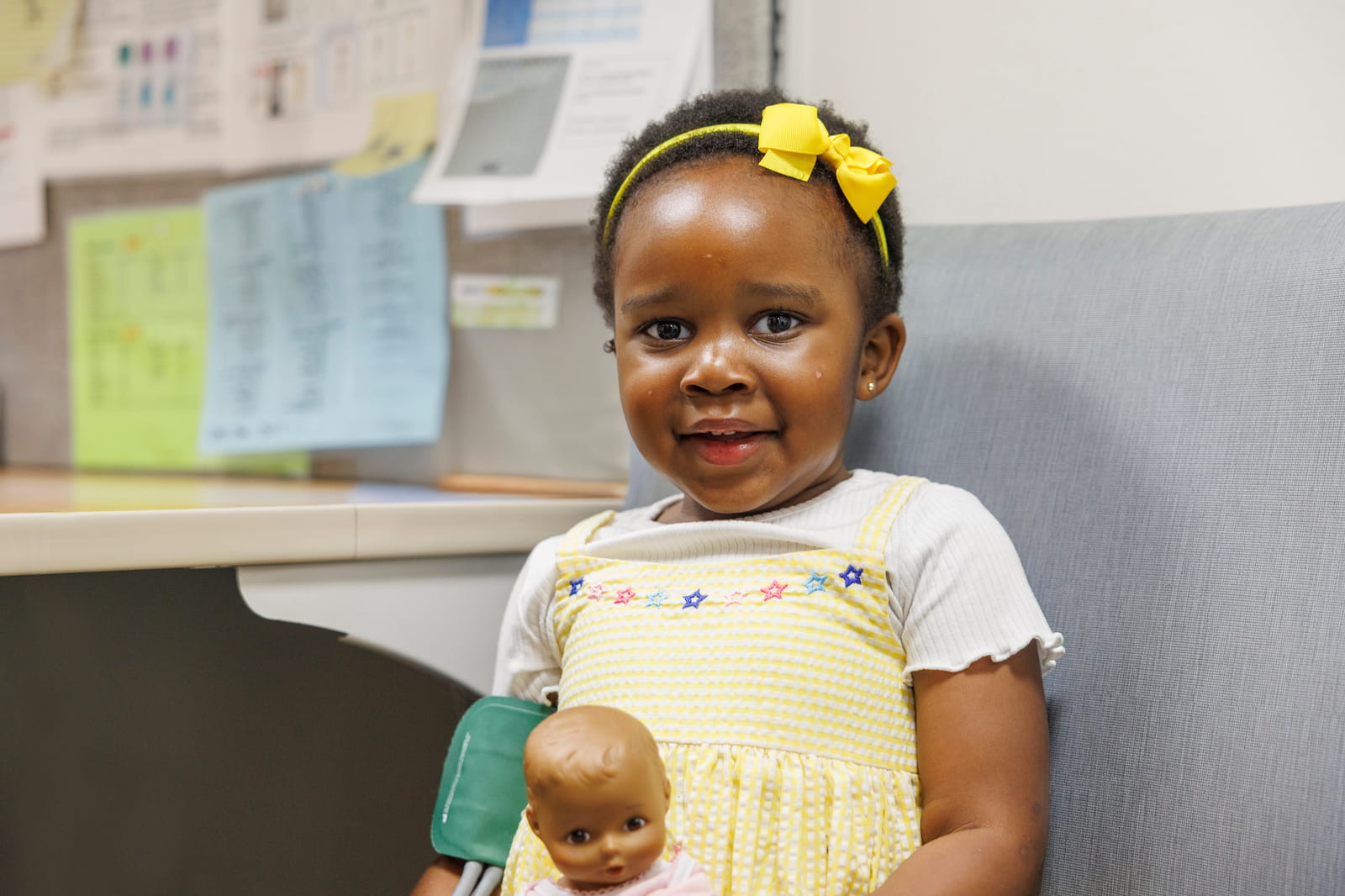
Reagan dreams of becoming a doctor or nurse one day and is already an active participant in conversations about her care. She talks about blood pressure readings and pays close attention whenever medical topics come up.
For Bronte, the experience has changed his perspective on life.
“I wish people could spend at least a day or two at St. Jude, not for anything medical, but just to walk around to see, to experience, to hear, to smell, literally,” he said.
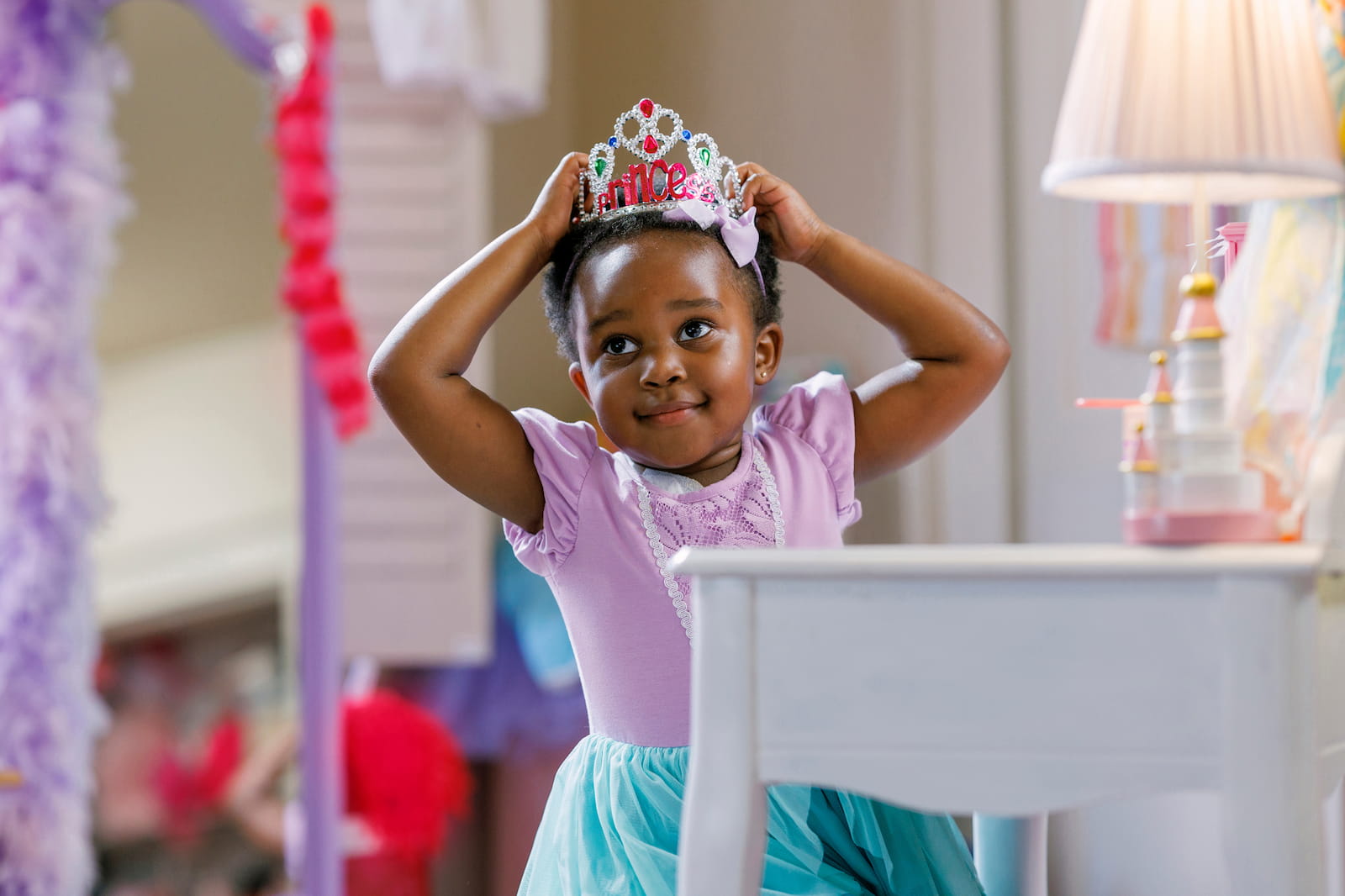
In the meantime, Reagan is making the most of her days at St. Jude. She spends time with doctors and nurses who play “princess” and put on fashion shows with her.
“She loves the color pink, and I feel the color pink describes her so well,” Kiara said. “She’s very girly. She loves to ballerina dance.”
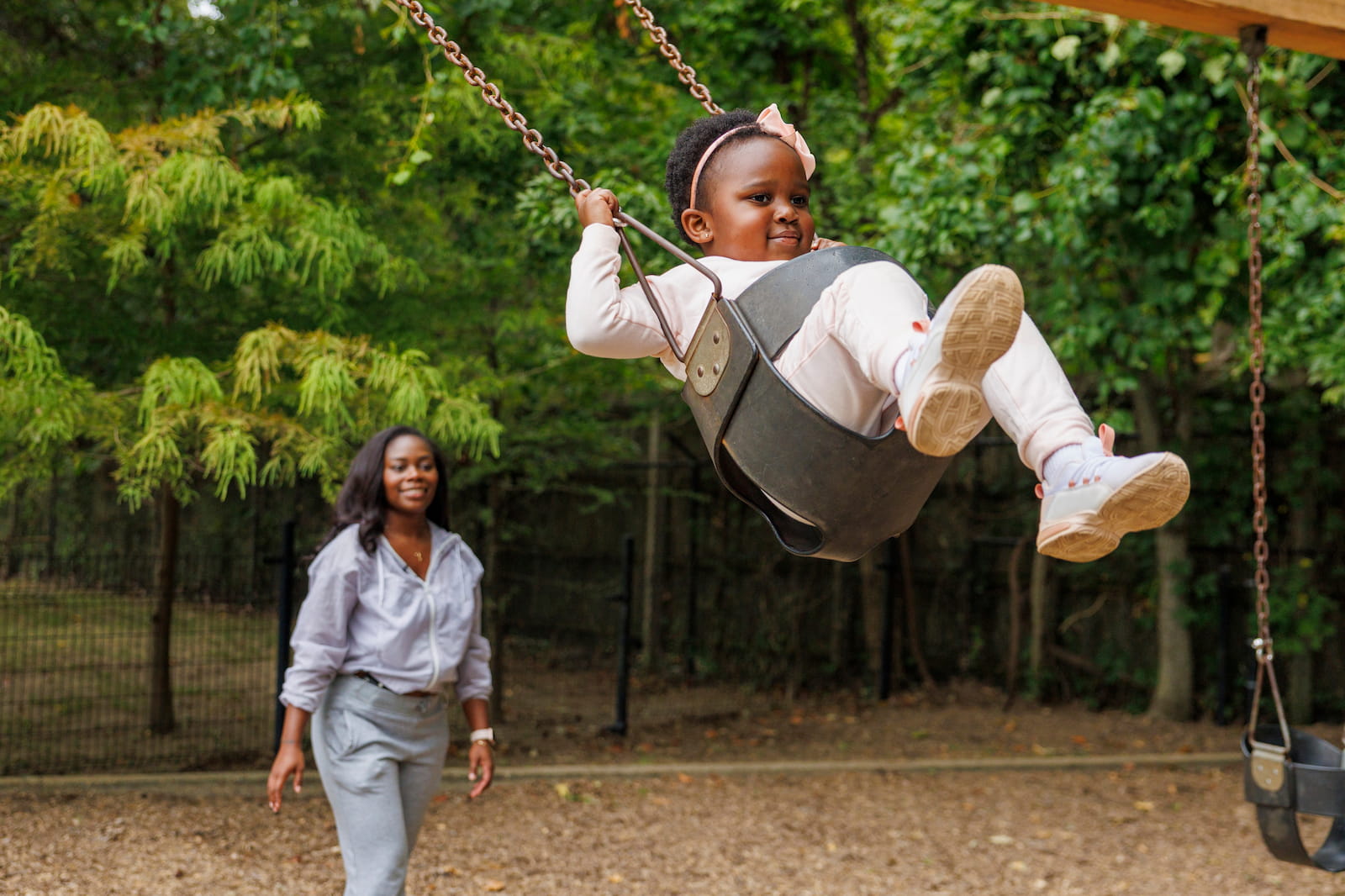
She also enjoys playing with other patients and getting her nails done at the salon in Family Commons, a treatment-free space where patients and families can relax, reflect and recharge.
“From the very beginning, she didn’t really see St. Jude as a hospital. She saw St. Jude as a playground,” Kiara said.
Looking ahead, Kiara’s prayer is simple: that her daughter survives and lives a life filled with purpose, determination and joy.
She hopes Reagan is able to remain exactly who she is today: a bright, fun-loving, pink-loving little girl who shares her wisdom with everyone she meets.
“She may not remember most of what she’s going through now, as tough as it is. I would hope that she holds on to that spirit to just keep going because that’s the most important part of surviving — just getting up every day, having the effort and the energy and the want to do better,” Kiara said.
By subscribing, you consent to receive emails from BlackDoctor.com. You may unsubscribe at any time. Privacy Policy & Terms of Service.