Mindfulness meditation or tai chi can help cancer survivors feel better, a new study says.
Patients had less pain, fatigue, and sleep problems after participating in mindfulness sessions or ancient Chinese mind-body practices of tai chi and qigong, researchers reported Sept. 16 in the Journal of Clinical Oncology.
“These findings reinforce the value of a whole-person approach to cancer survivorship care,” said senior researcher Peter Wayne, director of the Osher Center for Integrative Health at Mass General Brigham in Boston.
“We found that both mindfulness-based cancer recovery and tai chi/qigong helped participants manage some of the most common and burdensome challenges faced after cancer treatment, including fatigue, pain and, in the case of tai chi/qigong, sleep difficulties,” Wayne said in a news release.
For the study, nearly 600 cancer survivors with varying types and stages of cancer were given the option of choosing between mindfulness-based cancer recovery or tai chi/qigong sessions.
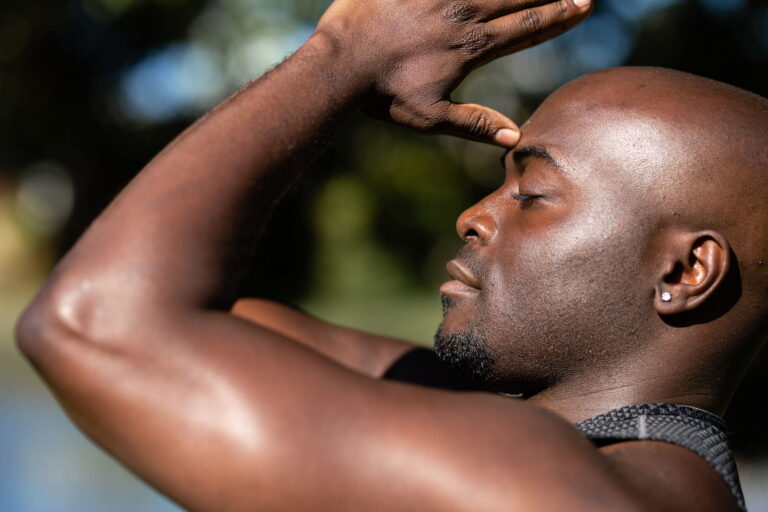
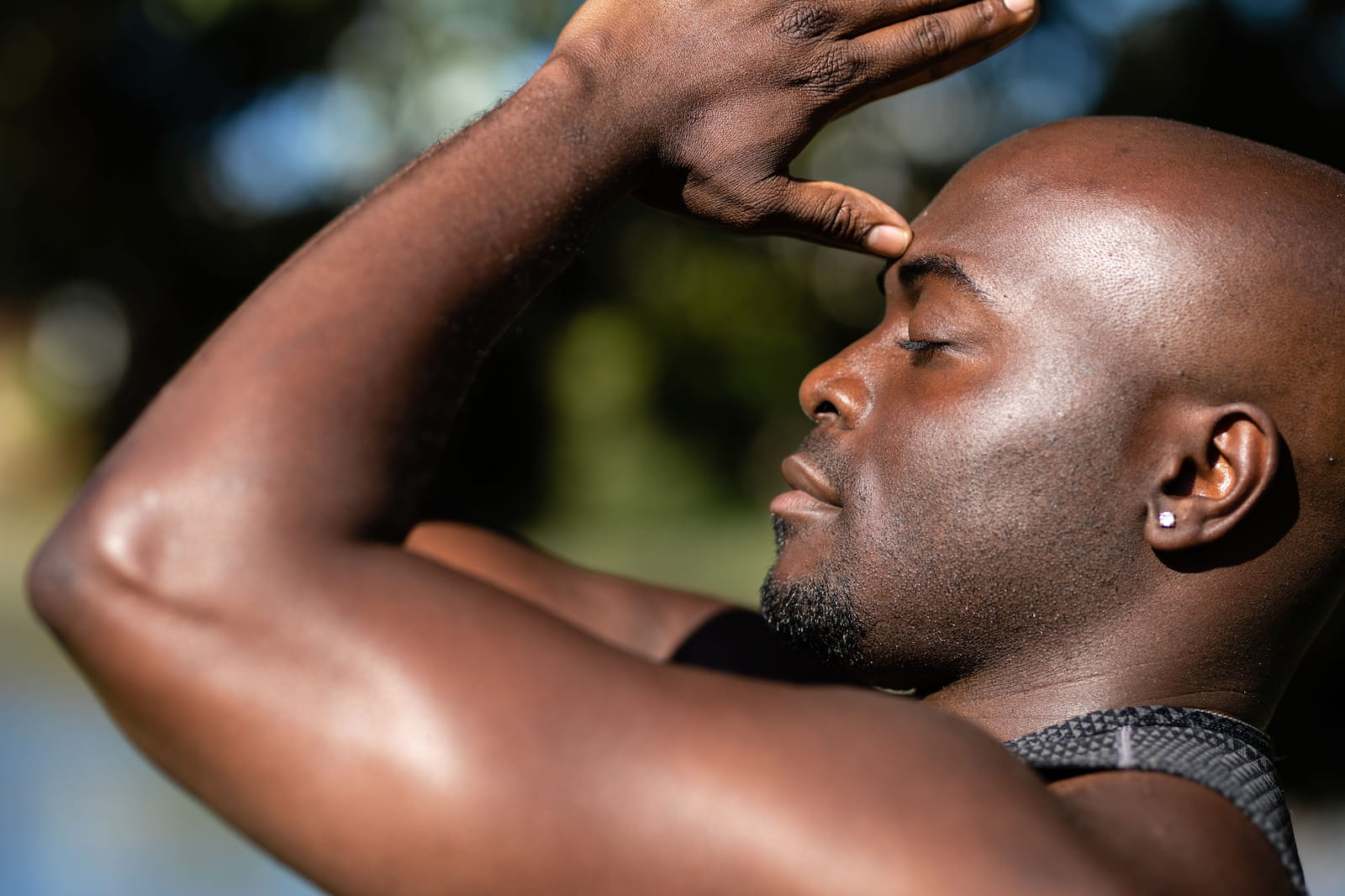
The mindfulness program involved meditation practices, breathing techniques, gentle stretching, and group discussion of attitudes like acceptance and compassion, researchers said.
Meanwhile, tai chi and qigong incorporate gentle flowing movements with heightened attention to body sensations and breathing. The aim is to help patients regulate their thoughts and emotions.
Results showed that both practices lowered the interference of pain on a person’s daily life.
Sleep quality and fatigue also improved, likely because they tend to cluster with pain, researchers said. When one symptom improved — be it pain, sleep or fatigue — the other two did as well.
Specifically, mindfulness improved fatigue and pain interference, while tai chi/qigong improved all three symptoms, the study says.
“More and more people with cancer are surviving longer term, but often, they are struggling with long-term side effects that can be difficult to manage,” lead researcher Linda Carlson, a professor at the University of Calgary, said in a news release.
“This study highlights that the cancer experience doesn’t just end for survivors after active treatment is done, and we hope it starts a conversation amongst medical teams about how to incorporate these mind-body therapies into overall cancer care,” Carlson concluded.
RELATED: 4 Ways Tai Chi Can Improve Your Health After Breast Cancer
Black Americans often face higher cancer mortality rates for several major cancers, including prostate cancer, breast cancer, endometrial cancer, myeloma, and stomach cancers. Survivors may experience long-lasting physical and emotional effects after treatment concludes.
Having access to supportive care services can be uneven across communities, particularly for Black cancer survivors. Low-cost, community-based practices like mindfulness and Tai Chi may offer additional tools for symptom management.
Aside from treatment side effects, cancer survivors can also face challenges that impact their quality of life.
Many report struggling with:
These symptoms can last for several months or years after treatment ends, and survivors may have less support from their care team in managing them.
Researchers are increasingly studying mind-body approaches like tai chi as part of survivorship care.
RELATED: The Powerful Link Between Exercise and Better Cancer Outcomes
Interested in mindfulness practices or Tai Chi? Here’s how to get started:
For mindfulness:
You can start small by practicing just five minutes a day.
For Tai Chi:
If you’d prefer a teacher, look for beginner-friendly Tai Chi classes at community centers, cancer support organizations, YMCA programs, and online classes.
Before starting mindfulness or Tai Chi, consult your healthcare provider to ensure they’re safe for you.

Researchers continue to study non-drug approaches for cancer recovery and symptom relief. Clinical trials evaluate mindfulness, meditation, exercise, and other supportive therapies for survivors. While results are promising, greater Black participation in medical research could make them even more impactful. Better representation can help researchers understand what works across diverse populations.
If you’re interested in participating in cancer survivorship clinical trials or other forms of medical research, visit BlackDoctor’s Clinical Trials Resource Center.
More information
The American Cancer Society has more about mind-body medicine for cancer care.
SOURCE: Brigham and Women’s Hospital, news release, Sept. 16, 2026


By subscribing, you consent to receive emails from BlackDoctor.com. You may unsubscribe at any time. Privacy Policy & Terms of Service.