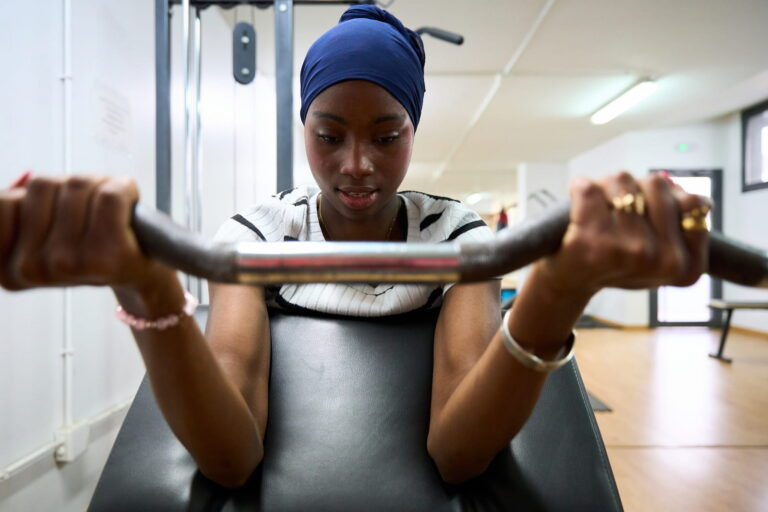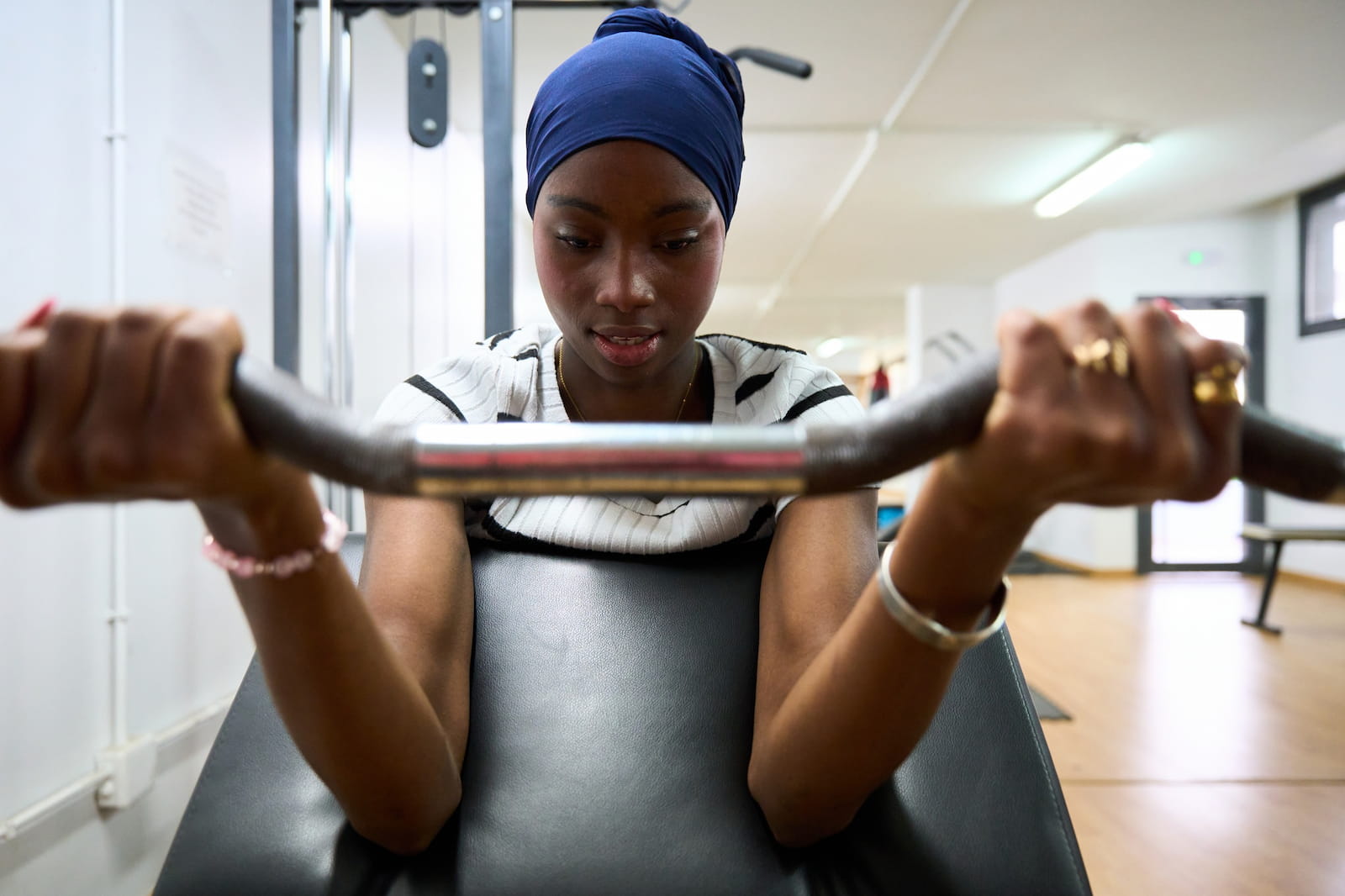
Exercise is already recommended to help people with cancer manage fatigue and improve quality of life. Now, there is evidence that the benefits may go further.
A new study finds structured exercise may help people with cancer live longer and have more time free of disease.
Chih-Chen Tzang of the National Taiwan University and colleagues analyzed 21 clinical trials involving more than 8,400 cancer patients.
Some followed supervised exercise programs that included aerobic exercise, strength training, or both. Others did not.
Over an average follow-up of about five years, those who exercised were 23 percent less likely to die and 17 percent less likely to have their cancer return before death.
The benefits were strongest among people with early-stage cancer, those who did aerobic exercise — alone or with strength training — and those who completed at least 70 percent of their exercise program.
Researchers say exercise may help the immune system fight cancer. It may also improve blood flow within tumors, helping cancer treatments work more effectively.
There are some limitations. Most of the evidence came from breast cancer trials, and the programs varied widely.
So, more research is needed to determine the ideal exercise prescription.
Still, the authors said clinicians “can reasonably recommend structured exercise as part of oncological care.”
The study was recently published in the British Journal of Sports Medicine.
According to the Centers for Disease Control and Prevention (CDC), Black Americans experience higher death rates for several major cancers, including breast, colorectal, prostate, and lung cancer. Social risk factors and structural barriers contribute to these disparities, including limited access to healthy foods, obesity, “weathering,” lower rates of routine screenings, and under-resourced neighborhoods.
Researchers continue to look for strategies beyond medication alone to improve outcomes.
Exercise may represent a low-cost, accessible way to support treatment and recovery. In the near future, lifestyle interventions like these could become an important part of comprehensive cancer care.
RELATED: Exercise Boosts Quality of Life During Breast Cancer Chemotherapy
While the findings are promising, some Black cancer patients may face challenges when trying to exercise during treatment.
These barriers may include:
It’s important to note that just small amounts of movement can provide benefits and should be discussed with a healthcare provider.
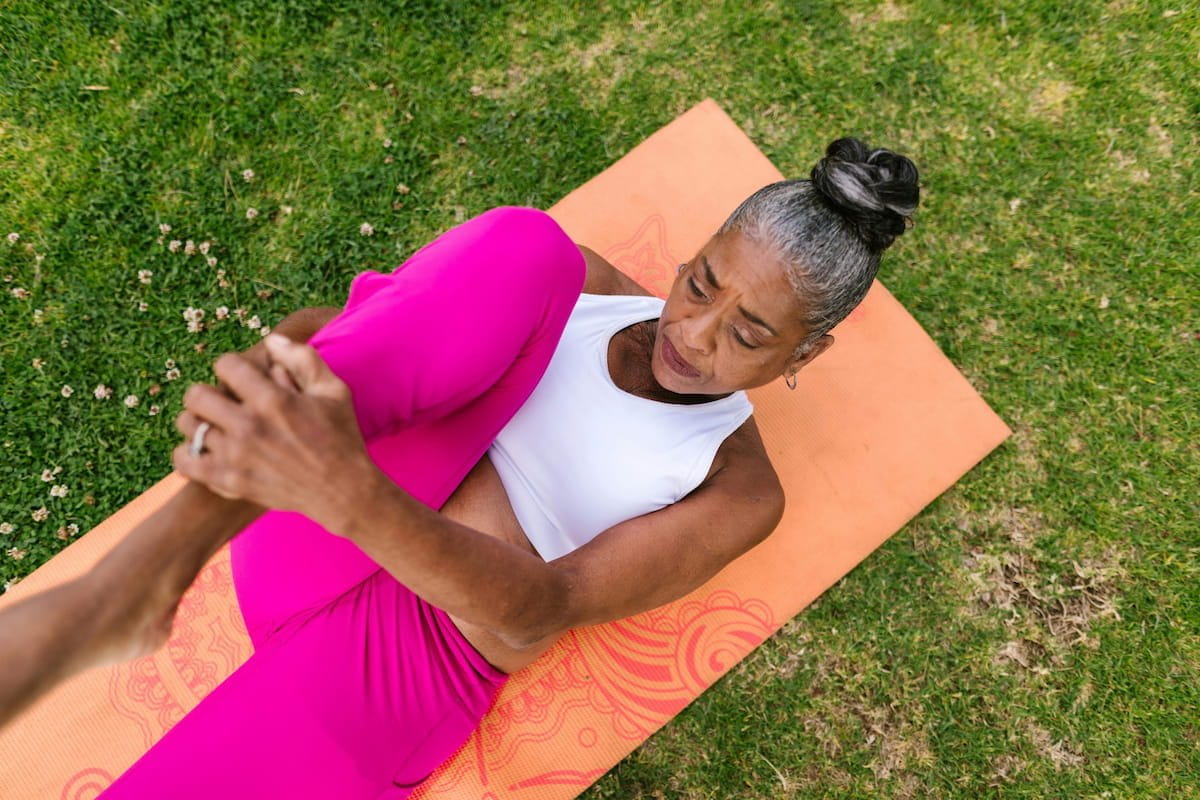
Exercise is typically safe and very beneficial during cancer treatment, but you should get medical clearance first and tailor the activity to your energy and health levels.
The American Cancer Society and the American College of Sports Medicine created a guide with exercise recommendations for cancer patients during treatment.
Some of the recommendations include:
Exercise recommendations can vary depending on cancer type, treatment plan, and overall health.
Researchers are increasingly studying exercise as a formal treatment support strategy. More clinical trials are examining how physical activity affects survival, quality of life, fatigue, and treatment side effects. With this in mind, diverse participation is important because researchers need to understand whether interventions work across different populations. By participating in a clinical trial, you can help advance knowledge that benefits future patients.
If you’d like to learn more about clinical trials, visit BlackDoctor’s Clinical Trials Resource Center.
RELATED: New Trial Finds Two Simple Ways to Reduce Chemo Brain
Exercise is not a replacement for cancer treatment, but the new findings suggest that it can complement your care journey by supporting your mental and physical well-being. Patients can ask their care teams for guidance on staying physically active during cancer treatment. Remember, physical activity doesn’t have to be super intensive. Even modest movement can contribute to better long-term health and survival.
More information
The American Cancer Society has more on cancer and exercise.
SOURCE: HealthDay TV, Sept. 16, 2026


By subscribing, you consent to receive emails from BlackDoctor.com. You may unsubscribe at any time. Privacy Policy & Terms of Service.