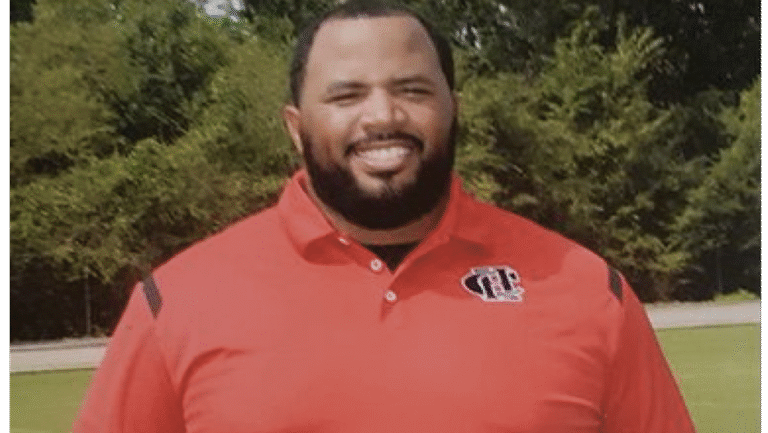
For a performer whose voice can fill an arena, Lil Jon is sharing something far more intimate: the pain of being a father who has lost his son.
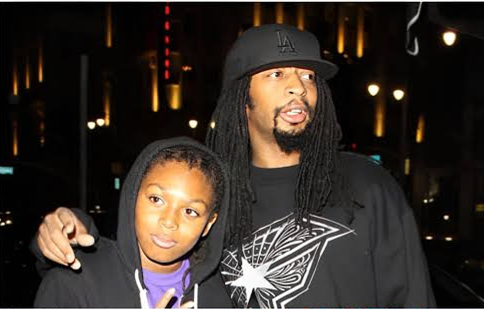
In his upcoming memoir, I Only Shout So You Can Hear Me, the rapper and producer reflects on the death of Nathan Smith, known professionally as DJ Young Slade. Nathan died in February 2026 at age 27. Lil Jon revisited his manuscript after the loss, adding a chapter and dedicating the book to him.
Behind the public persona is a father trying to understand how to keep living while carrying an absence that changes everything.
Here’s a heartfelt excerpt from the book, per people.com.
The officer looked at me with a serious expression painted across his face. “I’m sorry to inform you, but we found your son.”
My head dropped. My heart broke. I was shell-shocked, overwhelmed with pain.
Just as nothing can prepare you for the moment your child enters the world, nothing can prepare you for the moment your child leaves the world.
Sobs filled the air. Then, quickly, I picked my head up and spoke with the officer more. People who were there told me later they felt like I held it together, all things considered. That while I was receiving the worst news of my life, I somehow kept my composure.
It was unthinkable, still. I knew Nathan was in indescribable physical discomfort, that it was debilitating. I knew he was also dealing with emotional pain. A lot of his pain stemmed from fear. That’s why I’d written those text messages after we talked a few days earlier. I hoped he could find relief from the pain and fear that was weighing on him so heavily.
Nathan texted him early on a Saturday morning, writing, “Love you, Dad, got so much love for you. I’m gonna try communicating better and stop letting fear hold me back. My love for you is stronger than my fear. And I’ma get on the supplements tomorrow.” The message continued, “It’s funny, I know that family bond is strong because our whole family really only argues ’cause we care. LMAO. I was thinking about our back and forth, and I was like, damn, it’s just ’cause we both care.”
His father responded, “I do care a lot. You are my only son, and I worry about you a lot. You are so talented and extremely smart. Nothing should be holding you back. I pray for the days you have no more discomfort and no more fear. You will excel in everything you want to do. Those days are coming. Love you.” After discussing the exchange with his therapist, who stressed that Nathan simply wanted “to be heard and seen,” the rapper called his son back to apologize.
“I’m sorry,” the Frederick Douglass High School alum remembered telling Nathan. “I see that you’re trying, and I want you to know that you are seen. All the effort you’ve been putting in — I see it. And I see you.” He added, “Little did I know that was the last time I would talk to him. The next day, I got the call that he was missing. My mind went into overdrive.”
In interviews with PEOPLE, Lil Jon described finding comfort in a final conversation that left him and Nathan feeling understood and connected. He also acknowledged that returning to performing brought complicated emotions, including guilt about appearing joyful while grieving. Therapy helped him recognize that he needed more room to mourn.
He wrote, “The morning of the funeral, though, I woke up with a sense of peace in my heart, in my spirit, and in my soul. I later spoke to Nathan’s mother, and she reiterated the same thing: He is at peace now. His best friend told me he felt the same thing when he woke up that morning. Nathan was no longer in pain.“
Nathan was found in a pond near his home in Milton, Georgia, after being reported missing. His death was ruled an accidental drowning involving psilocybin use. That finding should not be recast as suicide or proof that depression caused his death.
His father’s openness offers a starting point for a broader conversation: How do we recognize emotional suffering in Black men, and how do we support parents living through unimaginable loss?
Depression is not a separate illness in Black men, and there is no single way Black men experience it. What can differ is how distress is expressed, the pressures surrounding it, and the response a man receives when he asks for help.
According to the National Institute of Mental Health (NIMH), depression does not always look like crying. Men may experience irritability, emotional numbness, disrupted sleep, fatigue, difficulty concentrating, or physical complaints. Some withdraw from relationships or increase their use of alcohol or drugs. These changes deserve attention, even when someone continues working and meeting responsibilities.
For Black men, racism, financial inequality, barriers to care, and experiences of being misunderstood in healthcare can complicate seeking treatment. Pressure to appear strong or handle problems privately may make vulnerability feel risky. These are social pressures—not personal failings.
A useful first step can be telling a primary care clinician: “I haven’t felt like myself. My sleep, mood, and energy have changed.” Ask about a depression assessment and treatment options. Depression is treatable through psychotherapy, medication, or a combination tailored to the person. Persistent symptoms lasting around two weeks or interfering with daily life warrant evaluation; severe symptoms deserve help sooner.
Black men also deserve care that takes their experiences seriously. Asking a therapist about their experience treating Black men, discussing racism, and respecting faith or cultural values is a reasonable part of finding support. Spiritual support and professional treatment can work together.
Losing a child can bring shock, anger, numbness, exhaustion, guilt, and overwhelming longing. Those feelings may shift within a single day. A child’s adulthood does not make the loss smaller, and a parent’s ability to smile does not measure the depth of their grief.
There is no universal timetable for mourning. The Compassionate Friends, an organization supporting families after a child’s death, emphasizes connection with people who understand this particular loss.
Let someone help with the next small thing. When everything feels overwhelming, make requests specific: a meal, a ride, help with paperwork, or company during a difficult evening. You do not have to explain your entire grief to accept practical care.
Find a place where you can speak freely. A grief therapist or bereaved-parent group can offer space to talk about your child without feeling pressured to comfort everyone else. The Compassionate Friends offers local and online support options.
Recognize guilt without treating it as a verdict. Parents may repeatedly revisit what they could have said, noticed, or done differently. Those thoughts can be part of grief; they are not, by themselves, evidence of responsibility. Counseling can help when guilt becomes consuming.
Make room for different grieving styles. One parent may want to talk while another needs quiet. Surviving siblings may need reassurance and opportunities to express their own feelings. Different reactions do not mean someone loved the child less.
Keep a connection in a way that feels right. Say your child’s name, preserve photographs, write down memories, or create a personal ritual. You can also step away from reminders when they feel overwhelming. There is no requirement to turn grief into a public tribute.
Grief and depression can overlap, but they are not interchangeable. Persistent hopelessness, worthlessness, increasing substance use, or difficulty managing basic daily needs deserve professional attention. Seeking treatment does not diminish your love for your child.
Some people develop prolonged grief disorder, involving persistent, disabling grief beyond what is expected within their cultural and social context. A clinician makes that assessment; parents do not need to wait for a diagnosis or a particular anniversary to ask for help. Effective grief-focused treatments are available.
If you feel unable to keep yourself safe, seek immediate emergency care and ask someone you trust to stay with you.
No parent should be told to hurry toward healing. Sometimes hope begins with accepting a meal, answering a friend’s call, or making it through an anniversary with support.
Over time, there can be room for laughter alongside longing and meaningful days alongside difficult ones. Enjoying life again does not erase your child or weaken your bond.
Your child’s life will always matter. Your life still matters, too—and you deserve care, companionship, and the possibility of joy as you carry that love forward.


By subscribing, you consent to receive emails from BlackDoctor.com. You may unsubscribe at any time. Privacy Policy & Terms of Service.