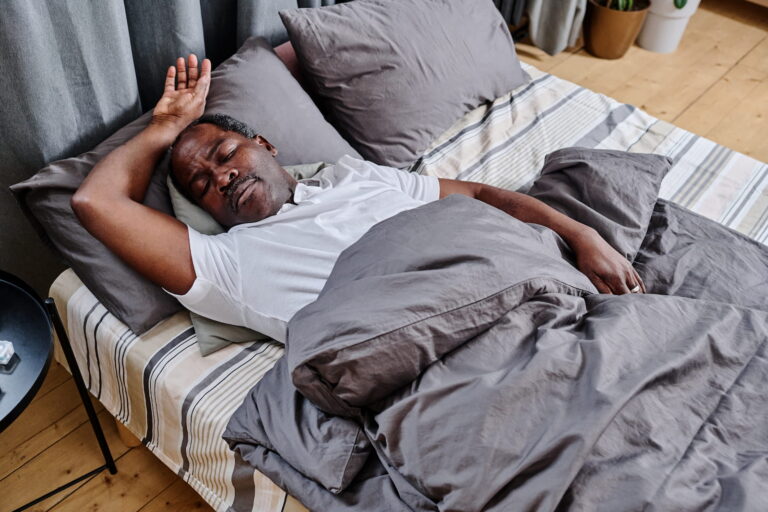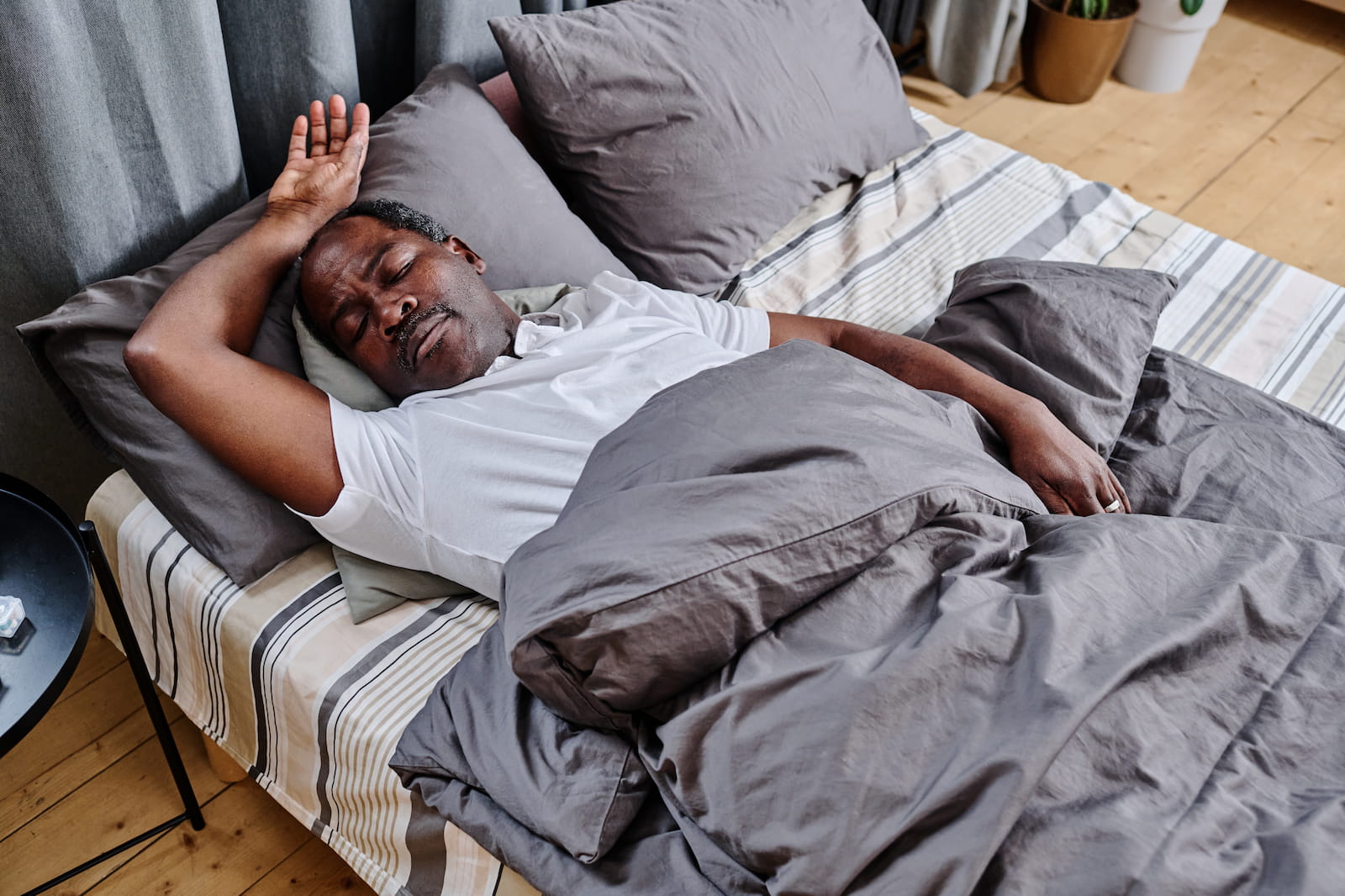
Getting a good night’s sleep isn’t just about rest. That’s the time your body uses to ensure that it’s functioning well. If you’re not sleeping well, it may affect your immune system, respiration, cognitive skills, appetite, cardiovascular health, and more. That’s why the recommendation to get enough sleep can be at the cornerstone of so much preventive health advice. Of course, that discussion usually leads to questions about what it takes to sleep well. This may mean relaxing before bed, keeping the room cool, and avoiding distractions. While that sounds simple, there’s one factor you shouldn’t assume is the same for everyone: the room temperature. How cool is cool when you’re an older adult?
For most adults, the ideal room temperature for sleeping well should fall between 16°-18°C (60°-65°F). However, young children and older adults may need slightly warmer temperatures to sleep comfortably. Typically, an older adult is defined as someone aged 65 or older. At that age, the U.S. Centers for Disease Control and Prevention (CDC) recommends getting seven to eight hours of sleep per night.
So, what temperature should you aim for when you’re older? Well, according to a 2024 longitudinal study involving a community of older adults, participants slept best when nighttime temperatures fell between 20°-25°C (68°-77°F). When the temperatures rose between 25°-30°C (77°-86°F), their sleep wasn’t as restful.
All participants in this study were at least 65 years old and had no diagnosed sleep disorders. As part of the study, they wore a ring that monitored heart rate, activity, and sleep and was linked to their smartphones. There were also environmental sensors in their homes. The study assessed factors such as how long participants stayed asleep, their level of restlessness during sleep, and total sleep time.
It’s important to note, though, that the results of this study are still just a suggestion. The researchers highlighted some limitations of their study. It was conducted at a single location, and non-objective factors may have influenced individuals’ ability to sleep well. Additionally, the association between nighttime temperature and sleeping well wasn’t definitively shown to be linear.
Still, it opens the door to further investigations into the optimal temperature for helping older adults sleep, as well as to more personalized care.
RELATED: 10 Foods That’ll Have You Sleeping Like A Baby
So, how much does the temperature of your room really matter? Well, the answer may go a little deeper than simply being comfortable. In a 2019 study of mammals, researchers examined why different mammals engaged in specific activities to regulate their body temperature before sleep. During warm weather, they chose cooler areas and exposed as much of their skin as possible to the cool air. When it’s cold, they choose insulated sleeping spots, and some of them have been known to huddle.
While the findings varied, the general answer was that choosing the right temperature is how mammals enter ‘sleep mode’. For humans, that can mean that widening blood vessels helps the body cool down. Interestingly, one experiment suggested that people who selected a bedtime were unknowingly choosing the time when their bodies were at their coolest.
As the body cools, you become less alert, your blood pressure reduces, and your heart rate drops. The lower body temperature also usually coincides with increased circulation of the hormone melatonin, which is associated with an effective sleep cycle. All of these factors work together not only to help you sleep but also to create an environment where your body can reap the benefits of restful sleep.
Interestingly, delays or disruptions in how the body cools have also been seen in people who have sleep disorders. While there is more to explore here, it certainly suggests that controlling your bedroom temperature is an important part of sleep.
RELATED: Best and WORST Sleeping Positions for Your Age & Body Type
If your room is usually warmer than you’d like, there are a few things you can do to cool it down effectively. During the day, you can open the windows to let air circulate through the room. The curtains or blinds should be kept closed, though, so too much heat from the sunlight doesn’t get in. An attic may also help vent some of the hot air if you open the hatch. Hot air should rise into the space, keeping your space cooler.
When you’re getting ready for bed, ensure you’re wearing light, cotton clothing that absorbs sweat. Any bedding should also be cool and absorbent. If your hair is long, tying it up to keep it away from your neck can also help you to feel cooler.
If you’re using an electric fan, putting a bowl of ice in front of it can help to cool you down. To do this, place a towel on the surface in front of your fan, then put the bowl of ice on top of the towel so the fan blows air into the stack of ice and outwards towards you. Piling the ice as far as possible so that it’s above the rim of the bowl usually gives the best results.
Sharing a bed can also increase the heat, so it’s good to ensure there’s enough space between you to stay comfortable.
As mentioned, research suggests that older adults sleep best in slightly warmer temperatures than younger adults, with 20 °-25 °C (68°F -77°F) being ideal among the aging population.
If you’ve been having trouble sleeping because you’re too cold, then this may give you some insight into why. Turns out that warming up just the right amount can help you sleep a lot better.
Simple ways to warm up include raising the thermostat a few degrees, adding an extra blanket, or wearing non-slip thermal socks or slippers.
Researchers reviewed 11 studies to see whether warming the feet before bed could help older adults sleep better. Overall, it did. The best results were seen when people soaked their feet in warm water for up to 20 minutes about an hour before bedtime. Warmer footbaths may also help people who have trouble falling asleep drift off faster.
However, if you still can’t sleep well after making changes to your environment and routine, then it’s a good idea to talk to your doctor about what’s troubling you.


By subscribing, you consent to receive emails from BlackDoctor.com. You may unsubscribe at any time. Privacy Policy & Terms of Service.