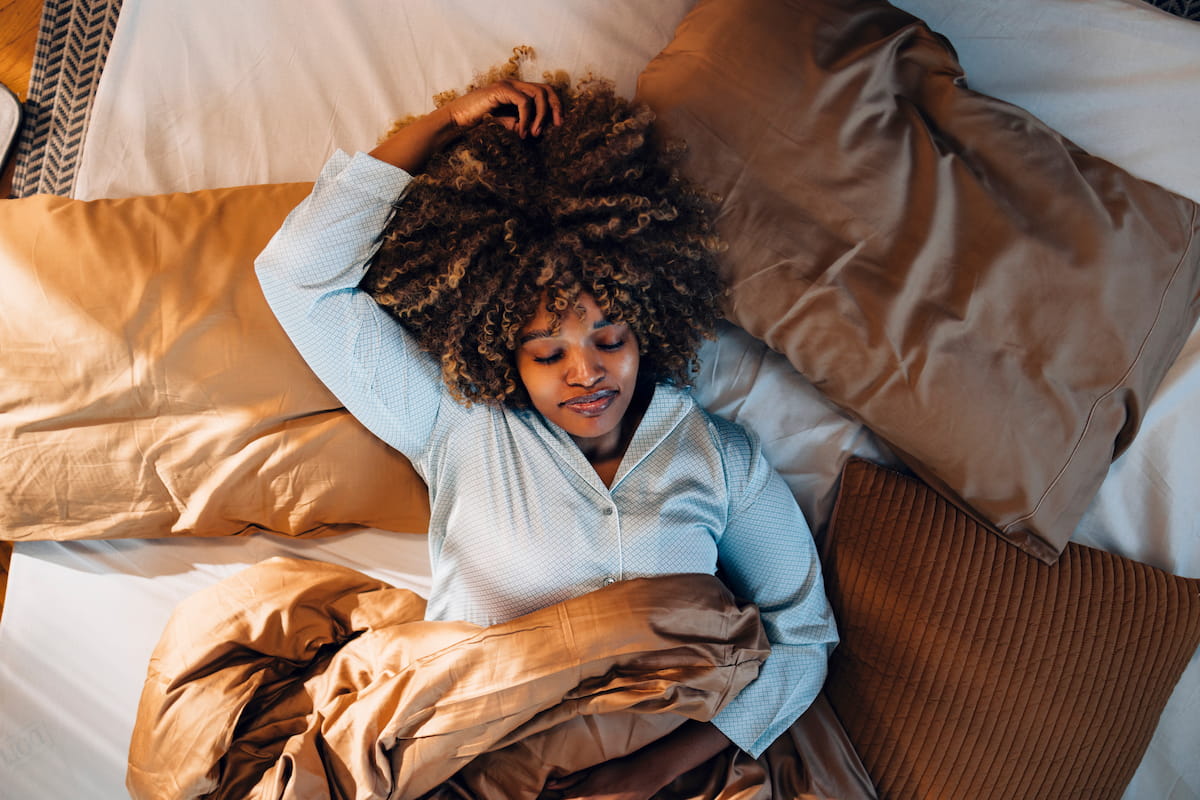
If you were asked your favorite sleep position, you’d probably be able to answer pretty quickly.
But it can be a little trickier to figure out the best sleeping position — one that helps you reduce your aches and pains and maximize the enormous health benefits that research has shown a good night’s sleep can provide.
Here are the positions that the experts recommend, whether you’re pregnant, prone to snoring, dealing with back or neck pain, or have other conditions that can benefit from the right position while you rest.
Plus, experts offer tips on making the most of your current favorite position and “training” yourself to sleep in different ones that might be better for you.
So, what is the best sleeping position for your particular needs? To help you pick your position, the Sleep Foundation offers some suggestions about sleeping on your back, stomach and side.
RELATED: 5 Sleeping Postures to Ease Your Back Pain
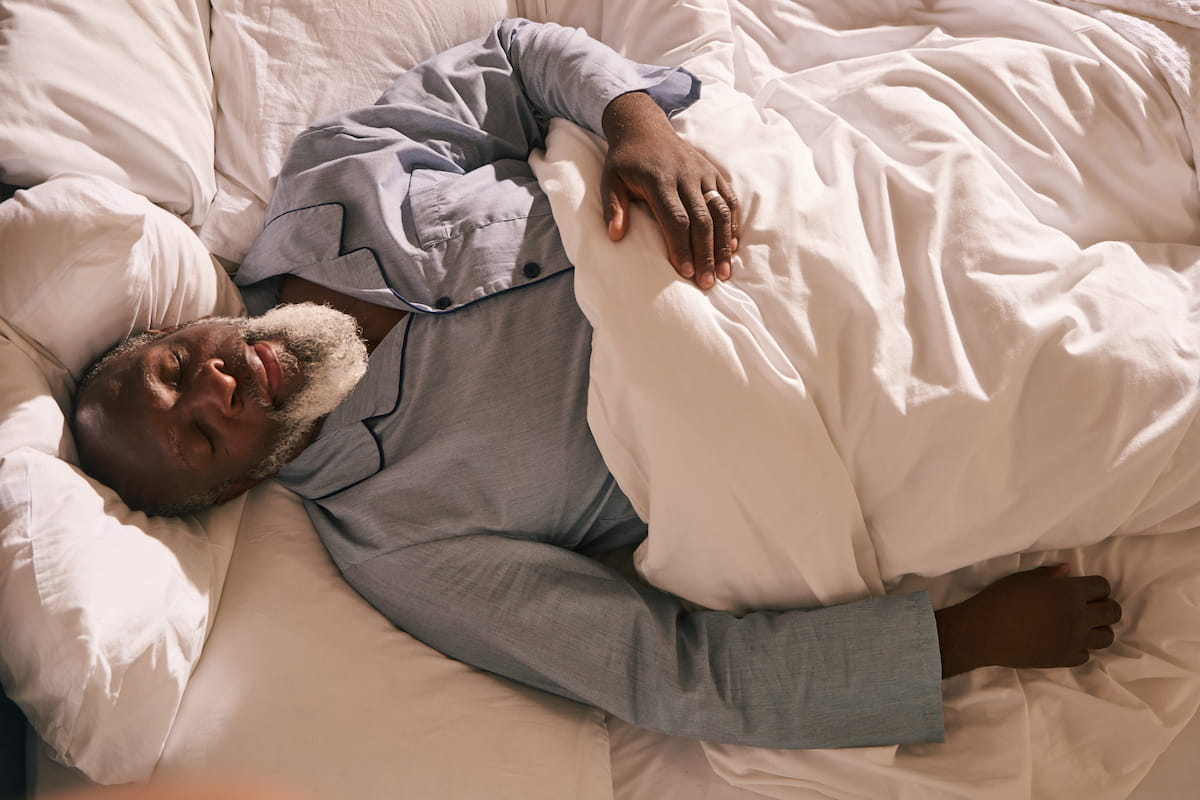
Advantages:
Disadvantages:
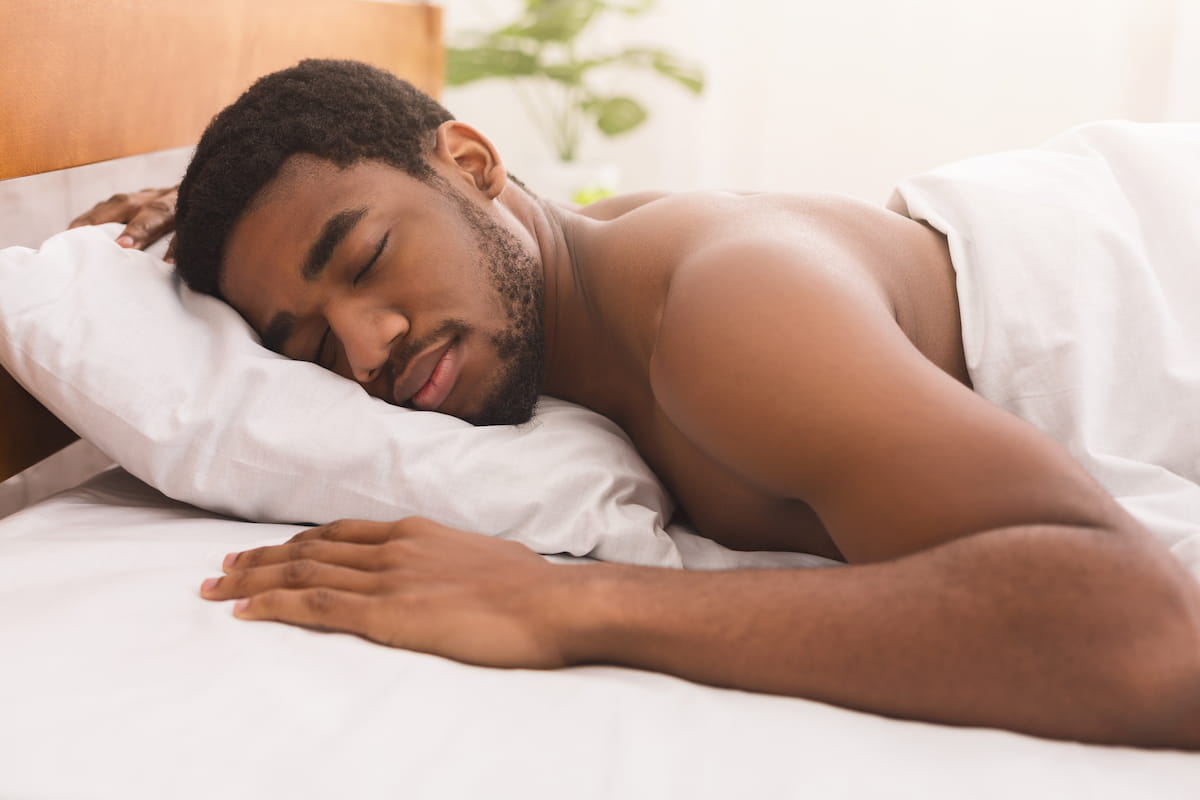
Advantages:
Disadvantages:
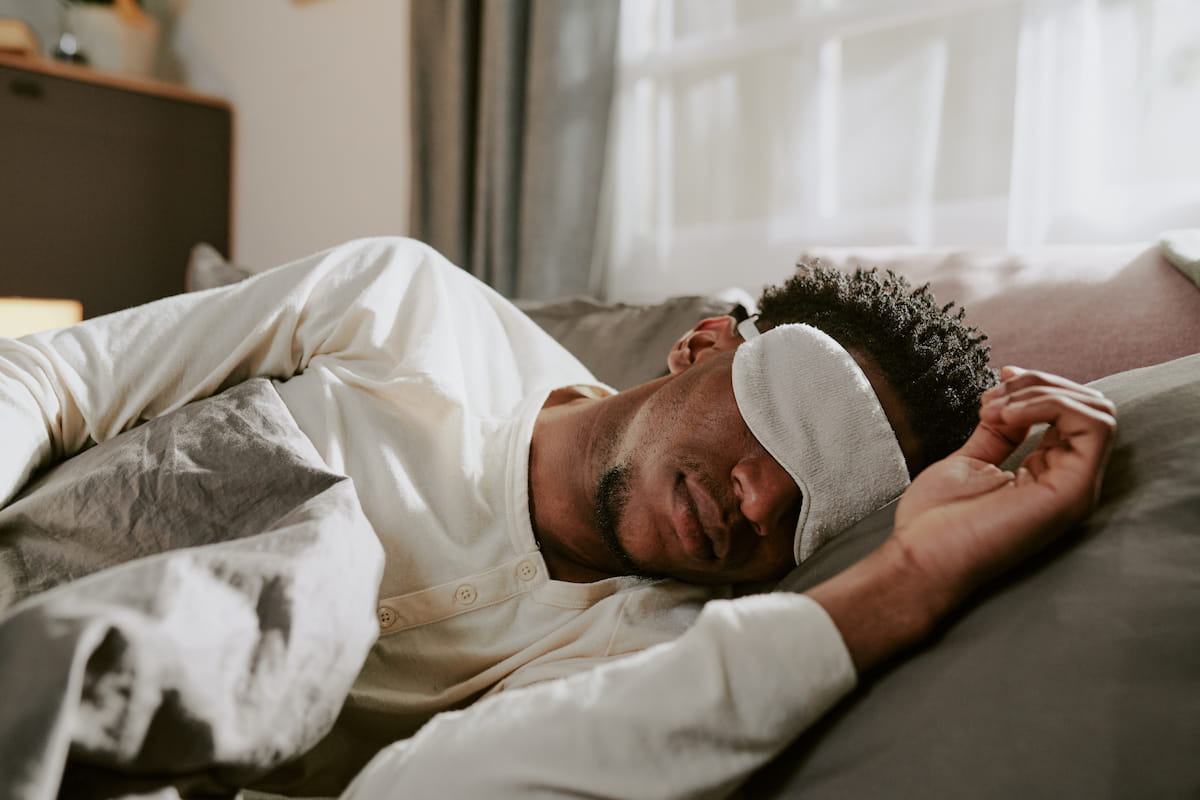
Advantages:
Disadvantages:
A recent study published in the journal Sensors found that sleeping on your right side, combined with lower rates of turning, promoted higher-quality sleep.
However, left-side sleeping is ideal for those with acid reflux and GERD because it decreases pressure on internal organs, according to the Sleep Foundation.
Dr. Harly Greenberg, medical director at Northwell Sleep Disorders Center in New Hyde Park, N.Y. shares the same conclusion. “As far as right or left side, left-side sleeping may be better, as it may reduce gastroesophageal reflux,” he says.
Left-sided sleeping has another distinct advantage: It’s the best position during pregnancy, experts say.
“Pregnancy, especially during the third trimester, may cause discomfort during sleep. Side sleeping relieves gravitational pressure of the uterus on the blood vessels in the abdomen and improves blood flow,” Greenberg explains.
“Sleeping on the left side is better than the right side as it helps to relieve pressure on other abdominal organs and is preferred, although brief periods of right-side sleep are OK as well to relieve pressure on the left hip,” he adds.
One study published recently in the Journal of Clinical Sleep Medicine found that reducing back-sleeping time in favor of a side position may be particularly beneficial for the fetus during late pregnancy.
RELATED: Why Sleeping with a Pillow Between Your Legs Helps Your Health
“The best sleep position is the one you are most comfortable with,” Greenberg says.
“Back sleeping may be most comfortable for those with back or neck pain,” according to Greenberg.
“If back pain is a problem, back or side sleeping may help with spine alignment and reduce back pain. Side sleeping with knees bent and a pillow between the knees may be helpful as well,” he advises.
Greenberg notes that “for those people who should avoid supine sleep for sleep apnea, a sleep positioner that prevents inadvertent rolling on the back may be useful.”
He notes that “there are other options as well, including devices that sense your position and provide a vibratory or other signal to urge you to move.”
Pillows are key:
Choose a pillow that supports your head and neck and aligns with your spine, regardless of the sleeping position.
Listen to your body:
If a position causes pain or discomfort, try another or consult with a healthcare professional.
Consider your individual needs:
If you have specific health conditions, consult with your doctor about the best sleeping position for you.


By subscribing, you consent to receive emails from BlackDoctor.com. You may unsubscribe at any time. Privacy Policy & Terms of Service.