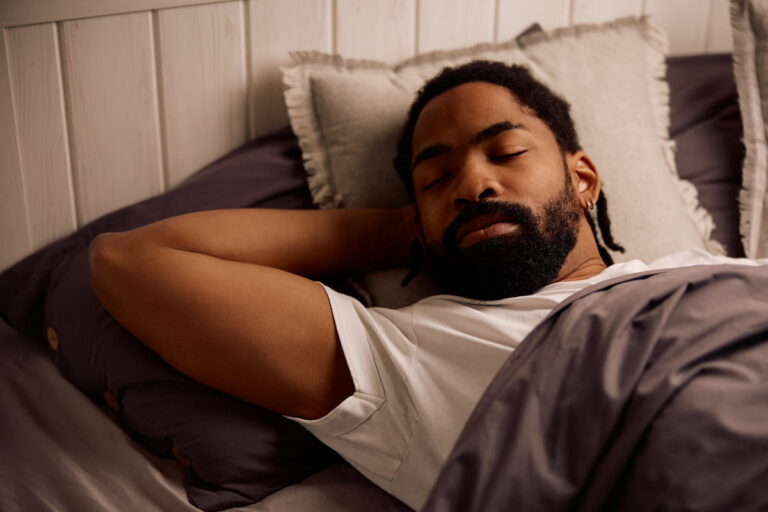
You pretty much know that feeling by now the stabbing sensation on the back, the muscle aches, and that feeling of your back burning. Yes, it is back pain, and it can be unnerving.
Back pain’s notoriety is well documented. Statistics show that 8 in 10 people will experience back pain across their lifetime, with the Global Burden of Disease study designating back pain among the prevailing triggers of disability globally.
But here is something rather amusing. Arthritis and other commonly suspected medical conditions are not the primary causes of back pain. The major culprit behind back pain is rather subtle: poor sleeping habits.
Yes, you read that right. Sleeping in the wrong positions puts strain on your back. And when such stress is sustained – say you sleep awkwardly all through the night – back pain may arise.
READ: Back Pain Prevention: 5 Harmful Habits
To wake up fresh and vibrant (free of that nagging lower back pain), here are tested-and-proven sleeping positions you should try tonight.

While not adequately promoted, sleeping on your side is one of the most effective back-pain relievers.
This posture takes the strain off the back, especially when your shoulders are aligned with your ears with your chin positioned neutrally.
When adopting this sleeping position, a common error is tilting your head downward or tucking the chin into the chest. Your hands – along with your arms – should be positioned under your neck.
For improved results, you can draw your legs close to your
chest as you sleep on your side. You may go a step further by separating your legs with a pillow between them.
This posture realigns your body, relieving pain in the lower back and also on the joints. A common question arises when I advise people to sleep on the side: should I sleep on my right side or left?
There is no definitive side here. It all depends on your body’s response. If sleeping on your left feels more relaxing, there you have your preferred side for sleeping. If it is right, so be it.
READ: 3 Sleeping Tips To Avoid Back Pain
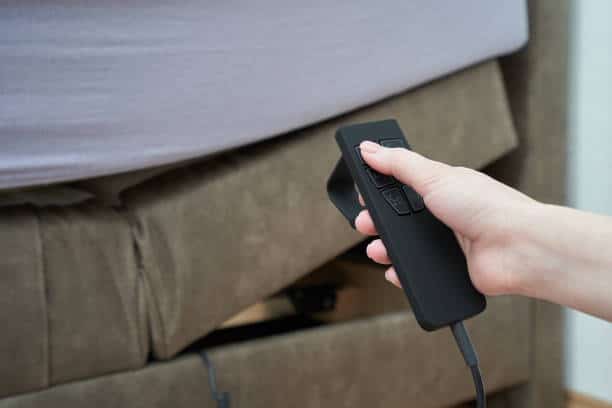
Against popular advice, recliners can be great sleeping destinations to relieve back pain.
Sleeping on reclining or adjustable beds is especially helpful for people with isthmic spondylolisthesis. The latter is a unique condition where one vertebra protrudes over the lower adjoining vertebra.
Such reclining sleeping surfaces align your back, creating a favorable inclination between your trunk and thighs. This inclination goes a long way in alleviating the pressure typically loaded on your spine while you sleep.
READ: Skip the Pills! Alternative Ways to Relieve Back Pain

Time to go back to your roots – precisely the “royal” pose you strutted in mom’s womb. Aside from easing lower back pain, a fetal sleeping pose can benefit people with a herniated disc.
Achieving this curled fetal sleeping posture is easy. When it is sleeping time, get on the bed, lying on your back. Now, smoothly roll over to your side.
Next is calmly curling your trunk towards your knees. Feel free to switch to the other side if you feel unbalanced in this pose on one side (say you are sleeping on your right or left).
This curl pose can create vital space between your vertebrae, alleviating herniation. This condition is commonly associated with
that stinging nerve pain you feel on your back or general loss of mobility or strength in your back region.
READ: Helpful Tips For Exercising With Chronic Back Pain
Sounds stupid? Well, this sleeping pose works wonders in relieving back pain! It is mainstream that sleeping on your stomach exacerbates back pain (given the hiked stress on the neck). But that is only if you don’t do the pose right.
I will show you how to do it.
When on the bed, position your pillow directly below the region bordering your lower abdomen and pelvis. Sleeping in this pose should take a significant chunk of pressure off your back, causing you to wake up fresher.
This pose is really helpful to those struggling with a degenerative disc condition. By adopting this pose, vital space is created between the discs, alleviating pressure.
READ: Yoga Poses To Ease Back Pain
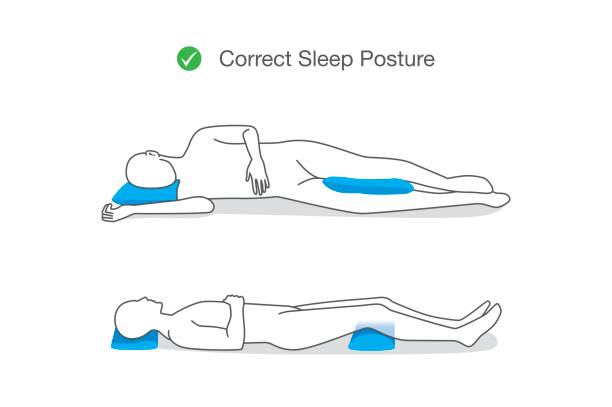
Sleeping on your back is no ingenious sleeping position, just that this time we are doing it with a pillow tucked under our knees.
Such sustained elevation of your knee would better sustain your natural spine curve. This should alleviate the strain normally heaped on your lower back when you sleep.
For optimal spinal alignment, a pillow should also be used for neck and head support. This posture may not deliver the desired results if you are not comfortable in it.
To achieve comfort in this posture, lie with your face pointed at the ceiling, maintaining a neutral head position. Attaining this head pose is easier with the said supporting pillow.
With a pillow under your knee, you may further load up any pocket of space between the mattress and your body with more pillows. Maintaining such a sleeping pose would deliver significant relief in the morning.
So these are five sleeping postures to give you that much-needed vitality (in your back) to start your day on the right foot. Note that these advocated sleeping positions only deliver optimal results when using the right pillow and mattress. Memory foams have repeatedly proven to be the most effective in this regard.


By subscribing, you consent to receive emails from BlackDoctor.com. You may unsubscribe at any time. Privacy Policy & Terms of Service.