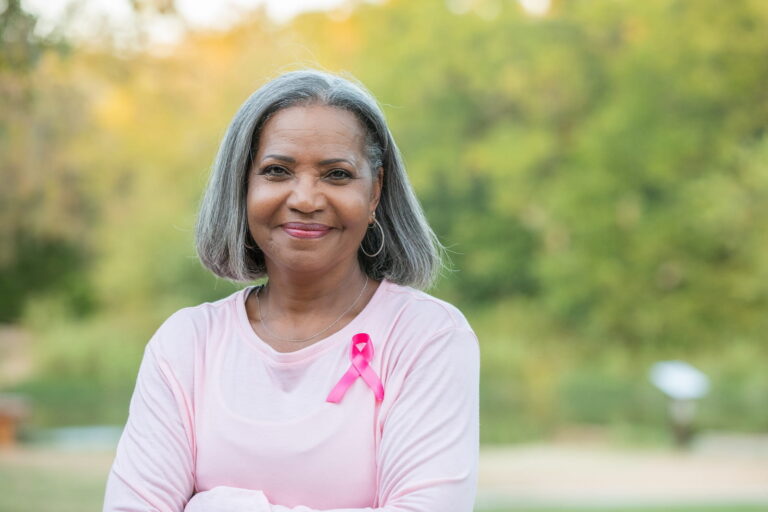
Picture two women who hear the same three words on the same afternoon: you have cancer. Same diagnosis, same stage, same age. One of them is far more likely to survive it than the other. Why?
A major new study points to an answer almost no one gets told in the exam room. Part of it comes down to the neighborhood each woman drives home to. And for Black women, the story runs deeper still, pointing to a survival gap that has far more to do with access and environment than with anything happening inside their bodies.
In August 2026, researchers led by the University of Pittsburgh, working with the O’Neal Comprehensive Cancer Center at the University of Alabama at Birmingham, published findings in JAMA Network Open that are hard to look away from. They followed 2,544 women treated for epithelial ovarian cancer, the most common form of the disease, and matched each woman’s home address to the CDC’s Social Vulnerability Index. That index rates a neighborhood on factors such as poverty, housing, transportation, and education.
The pattern was clear. Women living in the most socially vulnerable neighborhoods had a 20 percent higher risk of dying after their diagnosis than women in more resourced areas. And Black women faced a 45 percent higher risk of death than white women. Black women were also far more likely to be living in those highly vulnerable neighborhoods in the first place.
RELATED: The Ovarian Cancer Appointment Checklist: Questions to Ask Before You Leave
Here is the part that surprised even the researchers, and it is the part that matters most for us. Location by neighborhood explained only about 40 percent of the higher risk Black women faced. The rest did not disappear when the zip codes matched. Black women had worse survival than white women even when they lived in the same kinds of advantaged, well-resourced communities.
So this is not a simple story about less resourced neighborhoods. Being Black and living in a highly vulnerable neighborhood together carried more risk than either one alone. The lead researcher was blunt about the takeaway: the problem is not simply where a woman lives. Something about the lived experience itself, the chronic weight of it, appears to follow Black women even into the safer-looking communities.
There is a biological thread here worth understanding, and it has nothing to do with race being a risk in itself. Long-term stress, the kind that comes from navigating an unequal world day after day, can wear down the immune system’s ability to find and fight cancer cells. Researchers have a name for that cumulative toll: allostatic load. Earlier work tied it to worse ovarian cancer survival. The body keeps a running tab on everything it has had to endure.
None of this started with this one study. Black women have long faced worse ovarian cancer outcomes, and the reasons are systemic rather than biological. Black women are more likely to be diagnosed at a later stage, when the disease is harder to treat. They are more likely to experience delays in starting treatment. And they are less likely to receive the full guideline-recommended standard of care, including specialist surgery and the complete course of chemotherapy.
Read that again, because the framing matters. These are failures of a system, not failures of the women moving through it. A late diagnosis often traces back to a provider who did not connect the vague, easy-to-dismiss symptoms of ovarian cancer to its real possibility. A treatment delay often means an appointment that took too long, a referral that never came, a plan no one explained.
RELATED: Silent Killer: What Black Women Must Know About Ovarian Cancer
If you or someone you love is facing an ovarian cancer diagnosis, there are specific, concrete moves linked to better outcomes.
Start with where you get treated. Care at a comprehensive cancer center, with a gynecologic oncologist rather than a general surgeon, is consistently tied to better ovarian cancer survival. It is reasonable to ask for a referral to one, even if it means traveling for it.
Ask directly whether your treatment plan follows the NCCN guidelines, the national standard for ovarian cancer care. That one question signals that you expect the full standard and invites your team to show you that you are meeting it.
Request a patient navigator, someone whose entire job is to help you move through appointments, referrals, and paperwork to ensure no details slip through the cracks. Pursue genetic counseling and BRCA testing, which is recommended for every woman with epithelial ovarian cancer. It can shape your treatment options, including newer targeted therapies, and provide your family with information that protects them, too.
Build a team around yourself, starting with one trusted person who comes to the big appointments to take notes and ask the questions you are too overwhelmed to ask in the moment.
Medical care is the center of all of this, and nothing here replaces it. But the same research that points to chronic stress as a factor is also a reason to protect your nervous system where you can. Gentle movement, time outdoors, a plant-forward plate that supports your energy through treatment, rest that you treat as non-negotiable: none of these cure cancer, and none of them close this gap. What they can do is help you feel a little more like yourself while your medical team does its work, and steady the body that is carrying you through.
Let’s be honest about the biggest truth in this study. The deepest fixes here are not individual ones. Researchers are calling for neighborhood vulnerability to be built into how cancer care is planned and paid for, and for housing, transportation, and economic barriers to be treated as the medical issues they really are. That is systemic change, and no single woman should have to shoulder it alone.
While that change is fought for, though, you are not powerless in your own story. This survival gap is real, and it is not your fault. You deserve care that follows every guideline, a team that takes your symptoms seriously, and an answer to every question you think to ask. So ask the harder ones. Bring someone with you. And if a concern gets waved away, raise it again, because you are allowed to take up space in the fight for your own life. You have more say in how this goes than the odds alone would ever tell you.


By subscribing, you consent to receive emails from BlackDoctor.com. You may unsubscribe at any time. Privacy Policy & Terms of Service.
Enter your name and email to receive the download link.