Can what ends up in your grocery cart protect your ovaries?
Let’s be honest right away: no single food is a magic shield, and anybody promising you that one berry or one supplement will keep ovarian cancer away is selling something. What the research does show is that your overall eating habits move the needle, and a plate that leans on plants keeps showing up, study after study, as one linked to lower risk and steadier hormones.
That matters for us in a specific way. Ovarian cancer is sneaky and hard to catch early, and survival has not improved for Black women the way it has for white women over the last few decades. We also experience higher rates of vitamin D deficiency and lactose intolerance, which can make it more difficult to get enough calcium and vitamin D from traditional dairy foods.
Think of this less as a list of rules and more as grocery cart goals for long-term health benefits. Everything here is affordable, familiar, and worth tossing in the cart on purpose.
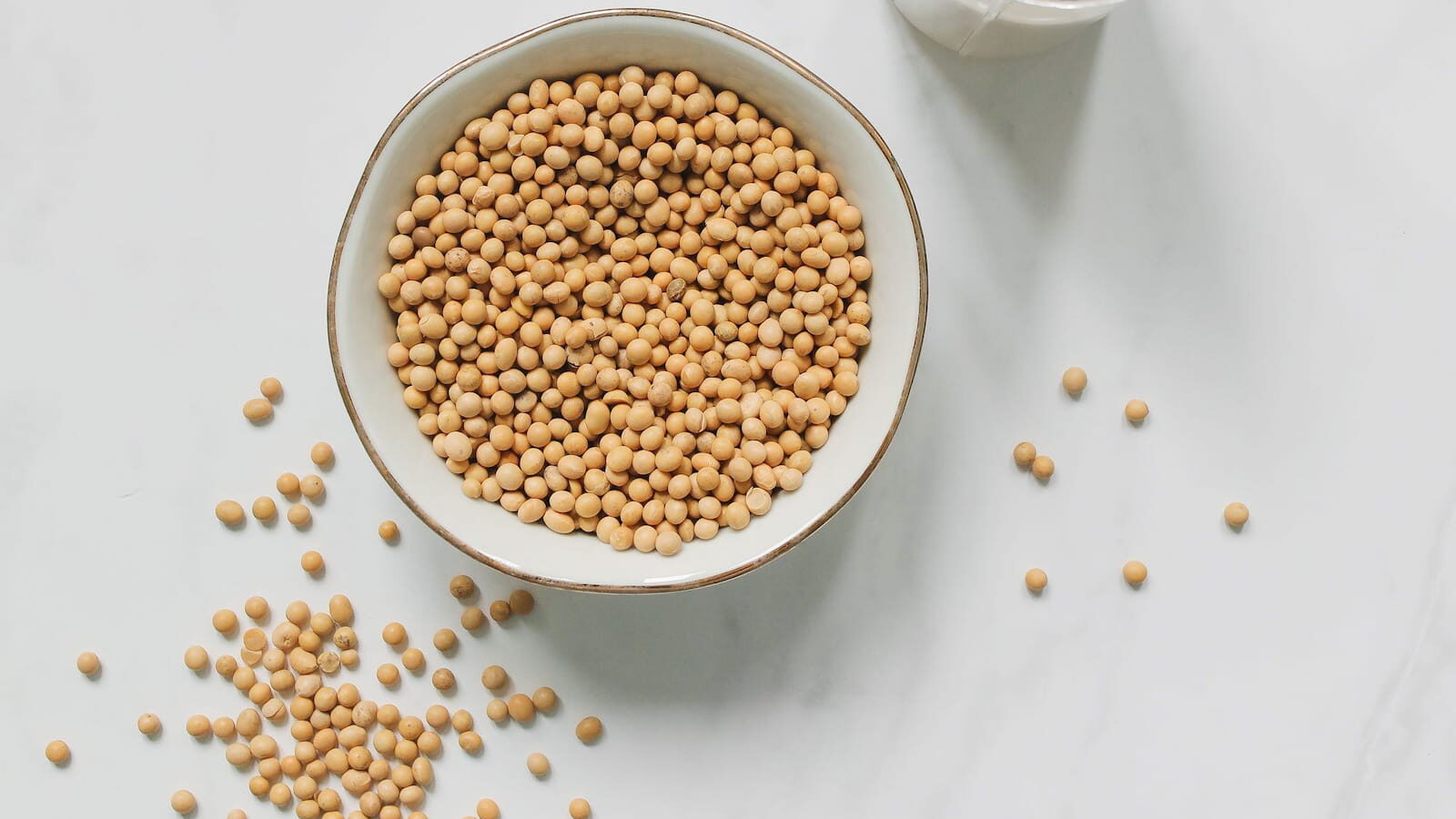
Soy gets the top spot, and it’s well earned. When researchers pooled the studies together, they observed that the women who ate the most soy had close to half the risk of ovarian cancer compared to the women who ate the least. Half. That is a big deal for a food you can pick up for a few dollars.
Now, you have probably heard the whispers that soy is bad for women, that it messes with your hormones and feeds cancer. That worry does not hold up when you look at real soy foods. The plant compounds in soybeans are not the same as the estrogen your body makes, and in many of your tissues they actually push back against your stronger estrogen rather than piling on. In other words, the thing people are scared of is the thing that seems to help.
So reach for the real, unprocessed soy: edamame straight out of the pod, tofu crumbled into a stir-fry, tempeh, a splash of unsweetened soy milk in your smoothie. Simple, cheap, and easy to work into food you already make.
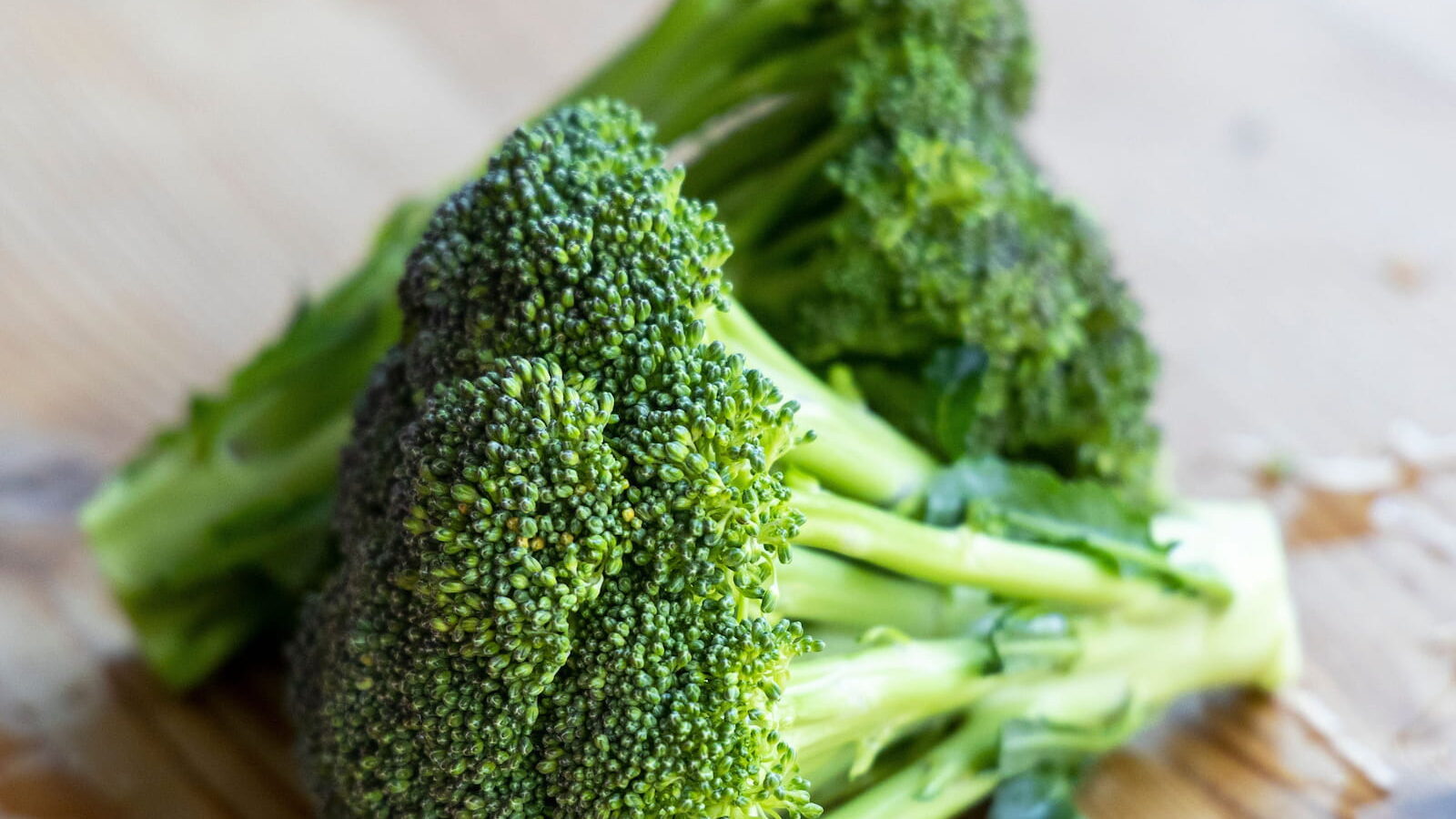
In one of the largest studies of its kind, following tens of thousands of women, the ones who ate the most of a plant compound called kaempferol had about 40 percent lower odds of ovarian cancer. And broccoli was one of the two biggest places that compound came from.
Here’s the best part: broccoli does not have to be fancy or expensive to count. Roast it with a little olive oil and garlic, throw it in your pasta, steam it and hit it with lemon. Your body does not know the difference. And frozen broccoli is just as good for you as fresh, usually cheaper too, so keep a bag in the freezer for the weeks when money is tight. No shame in the frozen aisle.
RELATED: Five Things You Must Know About Ovarian Cancer Screenings
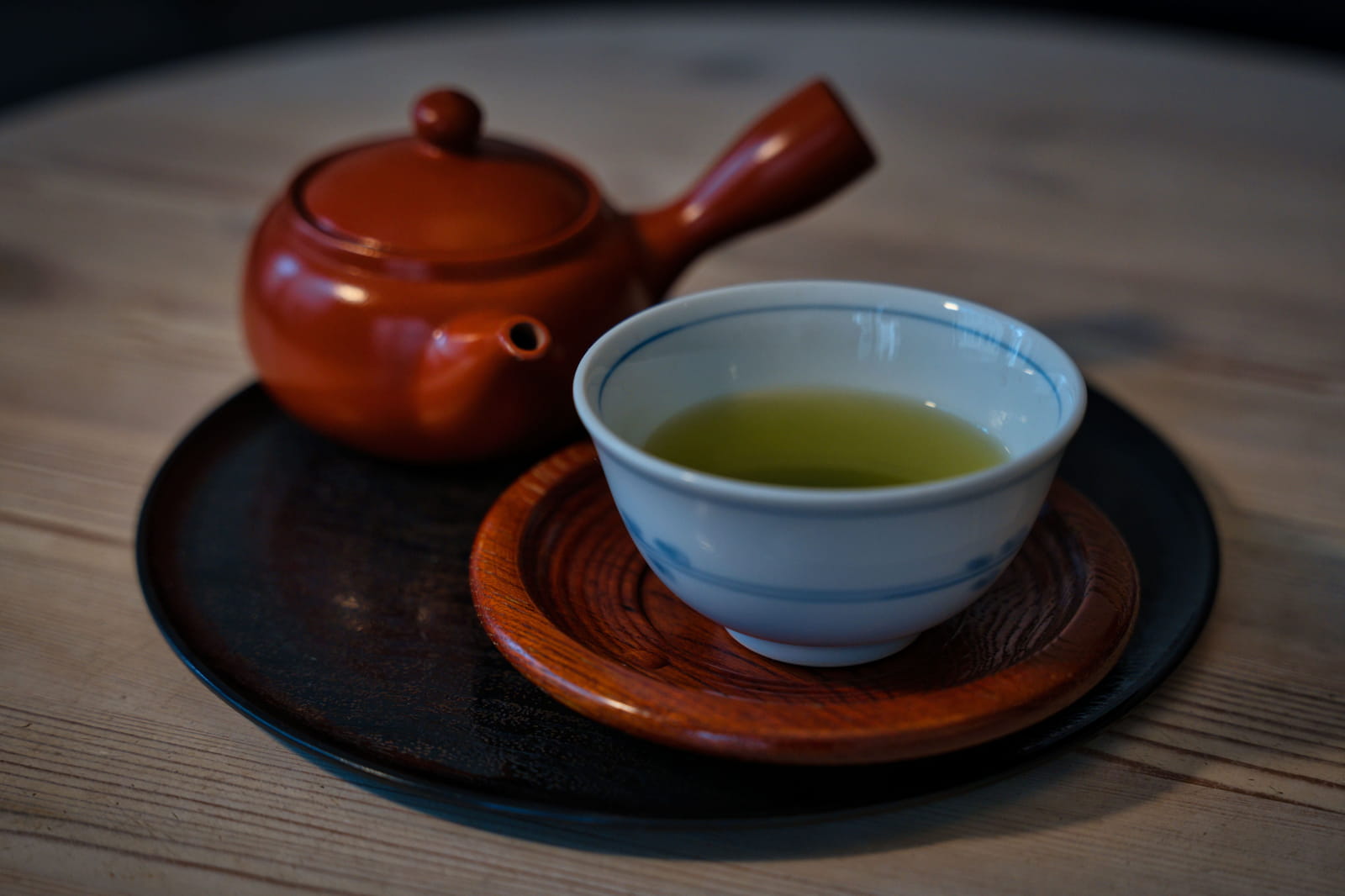
The other big source of that same protective compound? Regular tea. Not the herbal blends, but plain black or green tea, the kind you probably already have in the cabinet. The women who sipped it regularly showed the same lower odds.
A daily cup might be the cheapest healthy habit on this whole list, and it doubles as a minute of peace in a day that rarely gives you one. Drink it plain, or with a little unsweetened soy milk if you want to stack two good things at once. Just go easy on the sugar (or sweeten with honey!) so you don’t turn your protective cup into dessert.
That same large study observed a second plant compound, luteolin, associated with about 34 percent lower odds of ovarian cancer. Where do you find it? In some of the most ordinary, affordable vegetables in the store: carrots, bell peppers, and cabbage.
These are forgiving to cook, and they stretch. Carrots roast and peppers sauté in minutes, and one head of cabbage can turn a single pot of anything into three days’ worth of meals. One gentle reality check, because I promised you the honest version: findings like these mostly come from observing what large groups of women eat over time. So the move is not to treat carrots like medicine. The move is to keep these on steady rotation and let them do their long-term work.
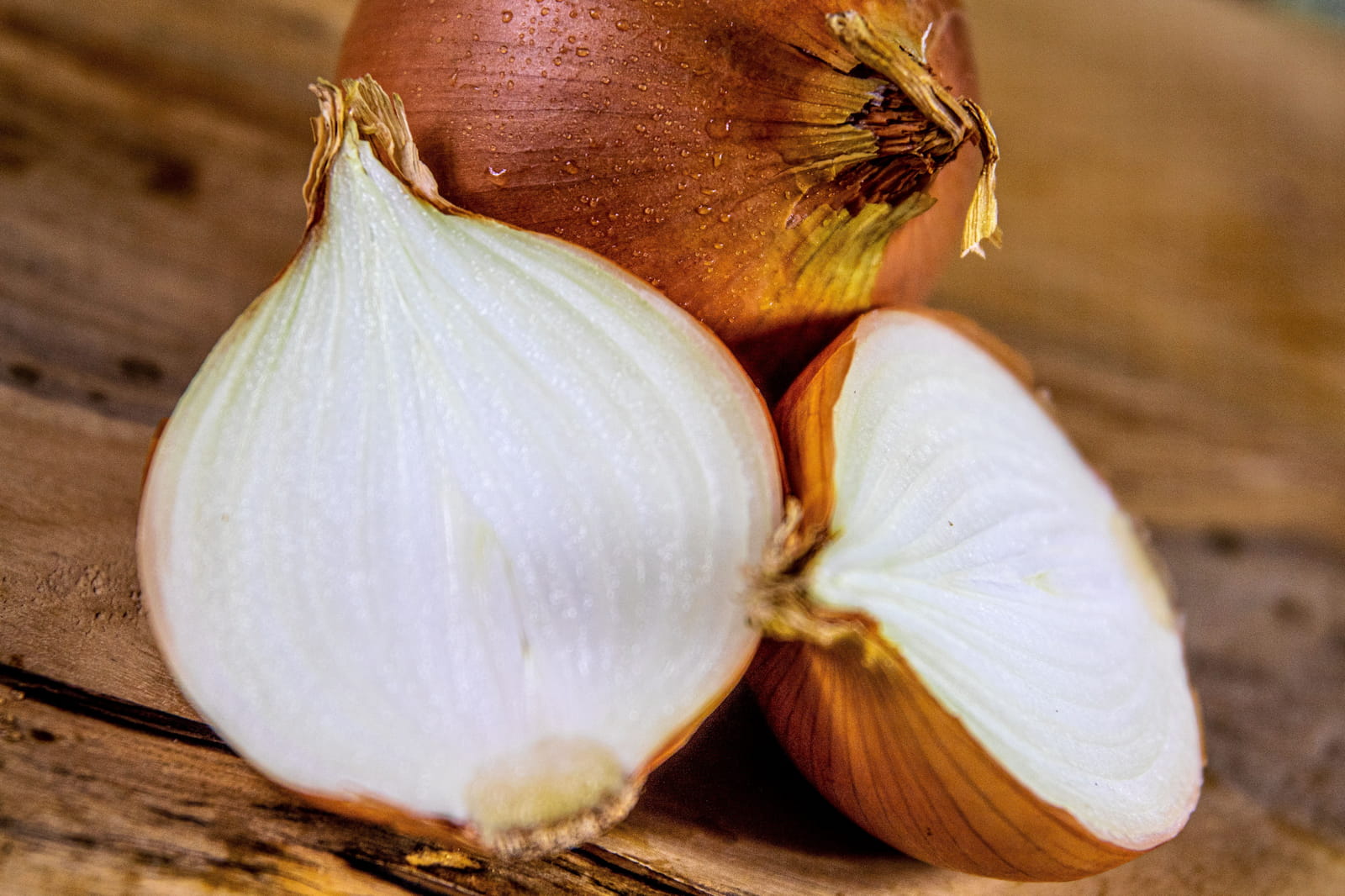
Onions and garlic belong to the same protective family, and in flavonoid research they showed up right alongside beans and kale as foods that likely help. Lucky for us, they are already the starting point of almost everything worth eating.
You are probably cooking with them anyway. The little shift is to lean in rather than skimp. Let onions and garlic carry the flavor so you reach for less salt and fewer of the processed seasoning packets.
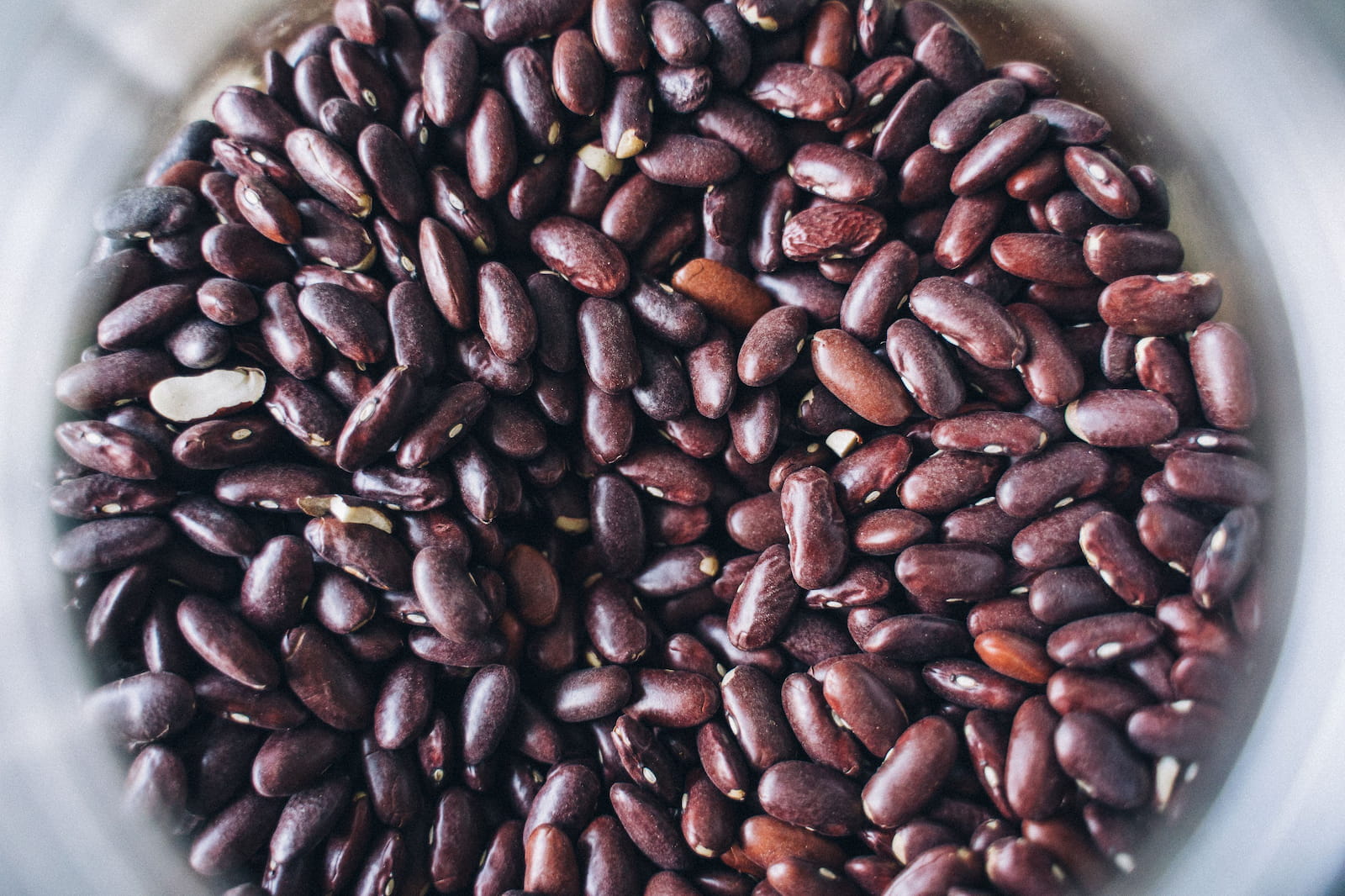
Beans and lentils are the quiet heroes of this list. They give you plant protein, they are loaded with fiber, and that fiber is part of how a plant-forward plate helps keep your hormones and inflammation in a better place. They even carry a little of that same protective compound broccoli does.
And can we talk about the price? Dried beans are about the cheapest protein you can buy, and canned beans cost a touch more while saving you the soaking. Black beans, chickpeas, lentils, black-eyed peas- they all count. A pot of beans that carries you through the week is a budget win and an ovarian-health win in the same move.
This part speaks straight to Black women, so lean in. In 2016, researchers conducted a study specifically focused on Black American women. Nearly 500 women with ovarian cancer and more than 650 without.
They found that women who got more calcium, from food or supplements, had a lower risk. Whole milk and the natural sugar in milk were associated with higher risk, while skim and low-fat milk, cheese, and yogurt were not. And here is the one that hits home: vitamin D from food and pills did not seem to move the needle, but getting sunshine in the summer did.
There is a reason that lands differently for us. Melanin-rich skin needs more time in the sun to produce the same amount of vitamin D as lighter skin, which is a big part of why deficiency rates are higher in our community. This is one study, and scientists are still working out exactly how calcium behaves in our bodies, so hold it as a strong lead rather than the final word.
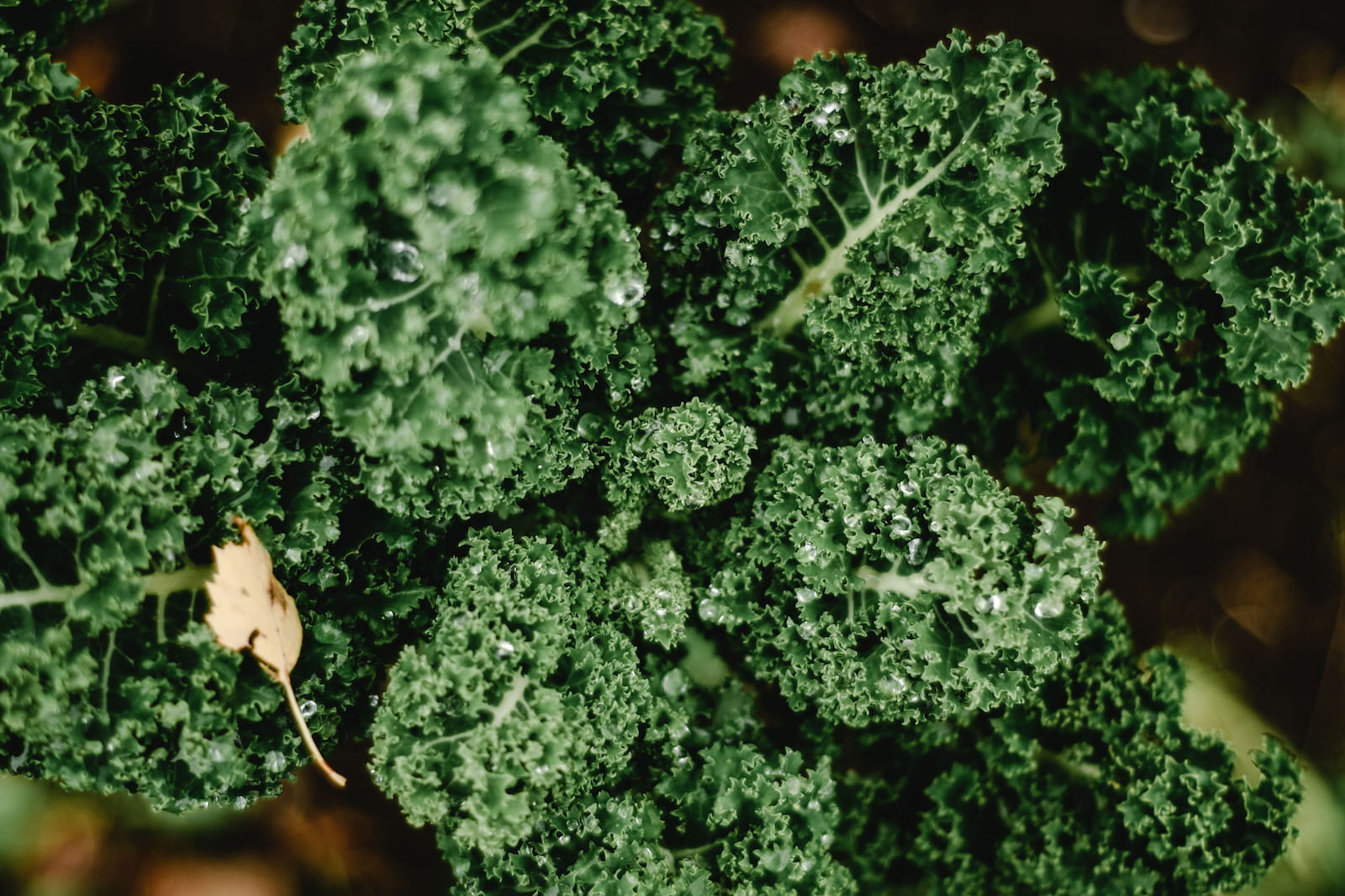
Still, the takeaway is awareness. Leafy greens like collards and kale hand you calcium with none of the milk drama, and talk to a healthcare professional about testing your vitamin D levels. Let them determine if you’d benefit from a vitamin D supplement, and in the meantime, enjoy a little sunshine.
The same research above points to a few things worth consuming less.
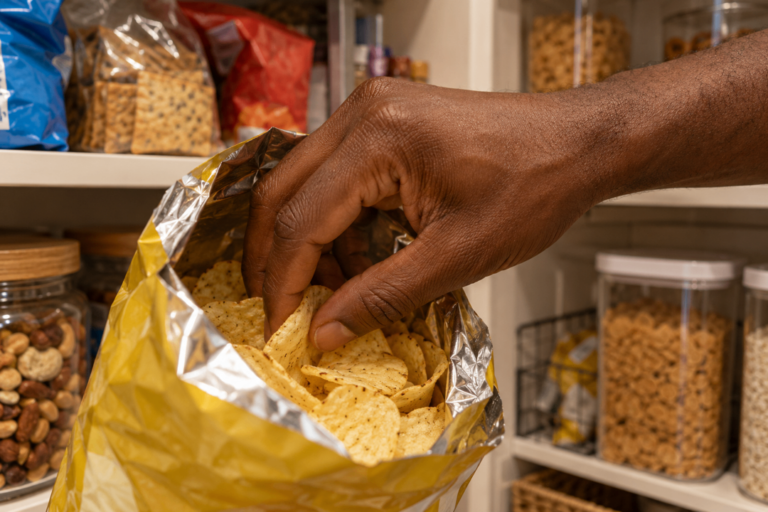
The clearest ones are fried foods and the industrial trans fats hiding in many packaged snacks and fast food. Studies have tied those trans fats to meaningfully higher ovarian cancer risk, somewhere around 30 percent higher at the highest intake, because they stir up the kind of inflammation cancer loves. This is the one to take seriously. Go easy on the deep-fried and the boxed baked goods.
Whole milk is next, based on a study in Black women specifically, which found it was associated with a higher risk, while lower-fat versions were not. Switching to skim or low-fat, or just leaning on your greens for calcium, is a small, painless change.
Processed meats like bacon, sausage, and deli slices have been linked to higher risk in some studies, so keeping them occasional rather than everyday is a smart call.
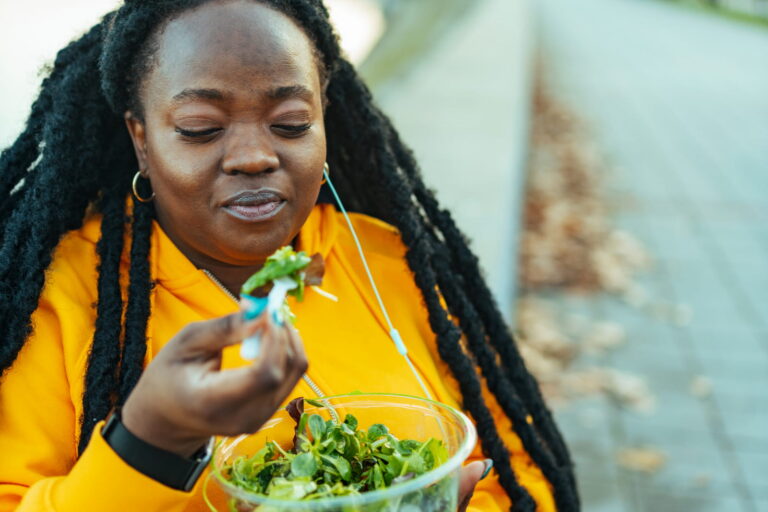
The real headline is simple. A plate built mostly on plants, with the fried and heavily processed stuff kept to the edges, is the pattern that keeps you balanced and healthy.
Your shopping list is very doable. None of this asks you to gut your kitchen or blow your budget in one trip. Swap frozen broccoli into the pasta you already make. Let a pot of beans cover a few dinners. Trade the afternoon soda for a cup of tea.
The small change you stick with will always beat the perfect diet you quit by Thursday. You do not need a fancy or expensive plan. You already know these foods, and you have everything you need to begin.
Food is the piece of this you get to hold in your own two hands, and that is worth something. Still, your risk is shaped by more than what is on your plate. Age plays a part, as do your family history and genetics, your reproductive history, and certain inherited mutations, such as the BRCA genes. A grocery run cannot change any of those.
That is exactly why knowing them is its own kind of power. For us especially, understanding the full picture- the parts you can adjust and the parts you simply need to watch- is how you advocate for yourself in the doctor’s office, ask sharper questions, and catch what can be caught as early as possible. So fill your cart with intention, then keep going. The more you understand about your own body and your own risk, the more say you have in protecting it.


By subscribing, you consent to receive emails from BlackDoctor.com. You may unsubscribe at any time. Privacy Policy & Terms of Service.
Enter your name and email to receive the download link.