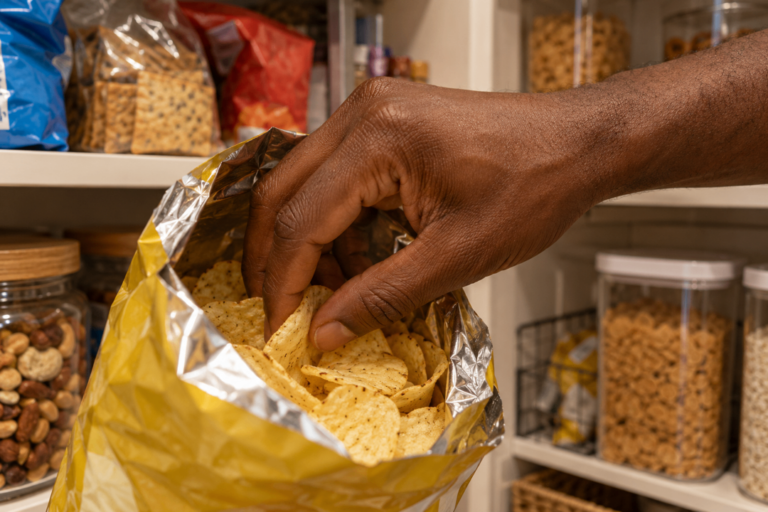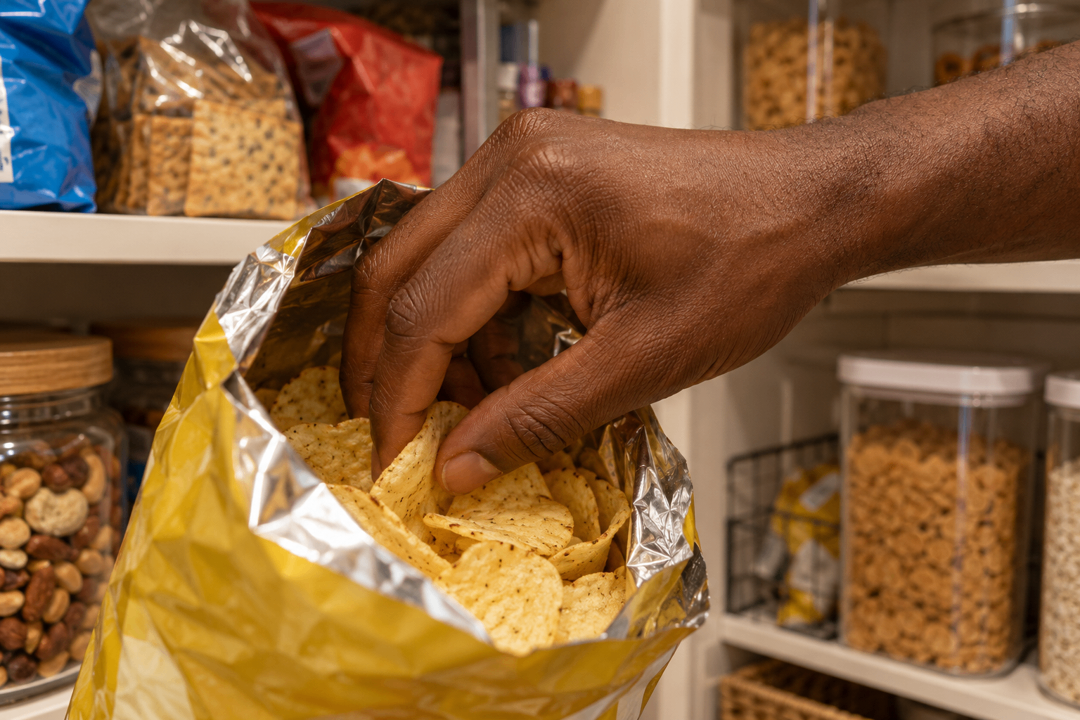
Yes, we know you “look good for your age.” But that’s not the point. After you hit a certain age, things start to change. Especially when the afternoon slump hits, and dinner is still hours away. You may reach for chips, cookies, or another cup of coffee—and hope it will carry you through.
But after 35, that snack break can be an opportunity to give your body something more useful. A thoughtful choice can help satisfy hunger, fill nutritional gaps, and fit around concerns such as acid reflux or bone health.
There is no special snack diet that starts on your 35th birthday. Your activity level, appetite, medications, and health conditions matter more than the number alone. But midlife is a good time to reconsider what you keep in your desk drawer, refrigerator, or car.
A snack can help when hunger develops between meals. Foods containing protein, fiber, or whole grains tend to be more satisfying than a snack that offers mostly sugar. A practical approach is to combine fruit or a whole grain with a protein food.
Pair a small apple with a tablespoon of peanut butter for a quick, portable option. The fruit supplies carbohydrate and fiber, while the peanut butter adds protein and fat.
Choose a peanut butter with little or no added sugar, and portion it before eating. A few generous spoonfuls can turn a small snack into something much more substantial.
Spoon berries or sliced banana into plain Greek yogurt. This gives you carbohydrate alongside protein without relying on a heavily sweetened flavored yogurt.
Check labels: protein, calcium, and added sugar vary by product. For convenience, portion your yogurt and fruit into a container the night before.
This savory combination is easy to prepare ahead. The crackers supply carbohydrate, and the egg adds protein. Add cucumber slices for crunch.
It is also an option for people who do not want something sweet every time they snack.
Keep frozen shelled edamame on hand, heat it according to the package directions, and season lightly. It provides plant protein and fiber. Pair it with a piece of fruit if you want something sweet as well.
These snacks supply food energy; they are not treatments for ongoing fatigue. If you are regularly exhausted despite adequate sleep and meals, bring it up with your healthcare professional rather than continually reaching for caffeine.
If a snack leaves you with burning behind the breastbone or a sour taste in your mouth, its ingredients—and its timing—may matter.
Common reflux triggers include high-fat foods, chocolate, mint, coffee, spicy foods, and acidic foods such as citrus and tomatoes. However, triggers differ from person to person. The following options can be prepared without several common triggers, making them reasonable choices to try. None is guaranteed to prevent heartburn.
Prepare oats with water or low-fat milk, if tolerated. Add a few banana slices instead of chocolate, cream, or a large serving of syrup.
Keep the portion comfortable. Even a nutritious snack may be unpleasant if you eat enough to feel overly full.
These offer alternatives to citrus fruit. Try a small serving and observe your response.
Avoid assuming that a banana “neutralizes” stomach acid or treats reflux. The useful question is whether you can eat it comfortably.
Try a small piece of toast with sliced home-cooked chicken or turkey. Skip hot sauce and rich spreads if they trigger symptoms.
This gives you a savory snack without requiring fried food or spicy seasoning.
Some people tolerate yogurt well; others find that dairy or yogurt aggravates symptoms. Try a small amount rather than assuming it will soothe reflux.
A nutritious food can still be a personal trigger. Nuts and nut butter, for example, may work well for hunger but bother some people with reflux when eaten in larger portions.
Timing matters, too. If reflux occurs at night or when you lie down, the National Institute of Diabetes and Digestive and Kidney Diseases advises eating at least three hours before lying down or going to bed. A brief food-and-symptom diary can help you identify patterns without unnecessarily eliminating entire food groups.
Bone health deserves attention before a fracture happens. Calcium helps maintain bones, and vitamin D helps your body absorb calcium. Bone loss can accelerate around menopause, making consistent nutrition especially relevant.
Adults ages 19–50 generally need 1,000 milligrams of calcium daily. Women ages 51–70 need 1,200 milligrams; men in that age range need 1,000. All adults over 70 need 1,200. These amounts include calcium from the entire day’s food and any supplements.
Yogurt can contribute calcium while making a convenient snack. Compare labels rather than assuming all yogurts contain the same amount.
Greek yogurt often offers more protein, but it is not always the highest-calcium choice. Pick the product that fits your needs and preferences.
A small bowl can work outside breakfast hours. Unsweetened fortified soy milk is a useful dairy-free option.
Check the label for both calcium and vitamin D; fortification varies. Other plant-based beverages may supply calcium when fortified, but their protein content can differ considerably.
Bake cubes of tofu and enjoy a small portion as a savory snack. Look for calcium sulfate in the ingredients and confirm the calcium amount on the Nutrition Facts panel.
Not all tofu is calcium-rich, so the label matters more than simply choosing a product called tofu.
For people who enjoy fish, canned sardines with their edible bones offer calcium. Compare sodium levels, especially if you are managing blood pressure.
Rich or spicy preparations may be less comfortable if you also have reflux.
Lactose intolerance does not mean you must give up calcium-rich snacks. Lactose-free dairy and fortified alternatives can help. Almonds contain calcium, too, but a small handful should not be your only strategy for meeting your daily needs.
Start with hunger and your next meal. A snack should bridge the gap, not routinely leave you too full for dinner. Put a portion in a bowl instead of eating directly from a large bag, and compare packaged foods for added sugar, sodium, and serving size. Planning portions can help keep snacks from adding more food than you intended.
You do not need a different snack for every health goal. Plain low-fat yogurt with banana, if tolerated, can supply protein and calcium while avoiding several common reflux triggers. Fortified soy milk with oats can serve a similar purpose for someone avoiding dairy.
If you have frequent reflux, difficulty swallowing, persistent vomiting, or unexplained weight loss, seek medical evaluation. Food changes alone may not be enough.
Keep two or three appealing options ready to go. A useful snack after 40 is one you enjoy, can afford, and can eat comfortably—while helping you meet your nutritional needs.


By subscribing, you consent to receive emails from BlackDoctor.com. You may unsubscribe at any time. Privacy Policy & Terms of Service.