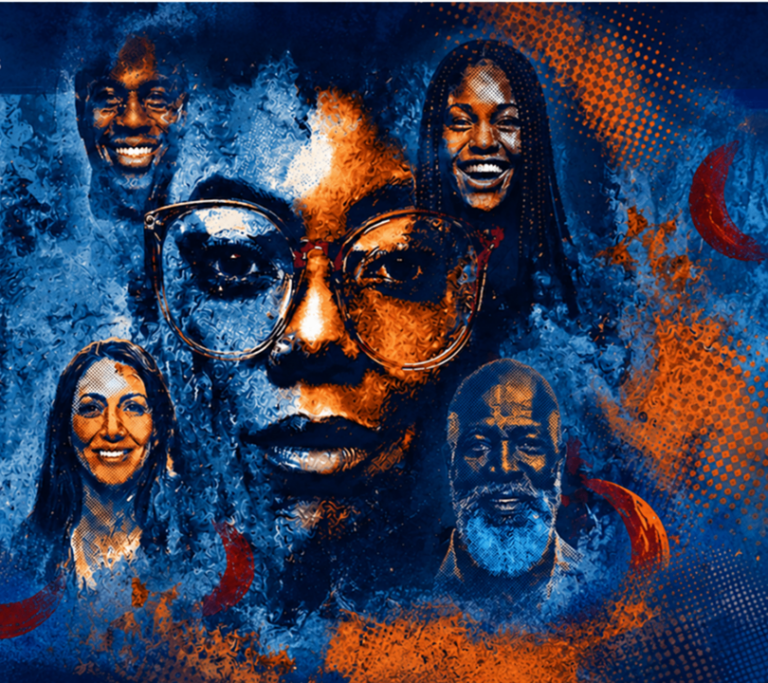
Black Americans often worry about being mistreated in clinical trials, and this fear is understandable. It comes from a long history of medical abuse in the United States.
To better understand this concern, a recent study published in JAMA Network Open looked into whether people from minority groups benefited just as much from a special kind of cancer treatment test. These tests, called phase 1 trials, involve new drugs that aren’t widely available yet.
Historically, minority groups have been significantly underrepresented in cancer trials. This disparity is, in part, a direct consequence of the documented history of unfair and unethical treatment in medical research. This lack of participation persists despite the fact that these trials often offer early access to the latest and potentially most effective treatments.
Researchers at the Montefiore Einstein Cancer Center in the Bronx, New York, embarked on this study to ascertain if minority patients experienced different outcomes in phase 1 trials compared to their White counterparts. They meticulously reviewed the records of over 700 patients who participated in phase 1 trials conducted between 1999 and 2016. The patient cohort in this study represented a diverse range of racial and ethnic backgrounds, including Hispanic, Black, and White individuals.
The researchers looked at how well patients responded to the treatments, how long they lived, and any side effects they experienced. They found that a person’s race or ethnicity didn’t matter – the benefits and risks of being in a phase 1 trial were similar for everyone.
This is the biggest study of its kind, and it suggests that minorities can benefit just as much from phase 1 trials as White patients. Talking to your doctor about these trials could be an option for you, no matter your race or ethnicity.
This analysis holds immense importance as it directly addresses a long-standing disparity within healthcare. The legacy of unethical medical research practices in the past, most notably the infamous Tuskegee Syphilis Study, has justifiably fueled profound distrust in the medical system among minority communities. This deeply ingrained distrust has, in turn, led to significantly lower participation rates in clinical trials among these populations. This low participation then creates a detrimental feedback loop, hindering the development of treatments that are adequately tested and tailored to the diverse genetic and physiological characteristics of the broader population.
For example, according to a 2021 report by the American Association for Cancer Research (AACR), Black individuals comprised only 4% of participants in cancer clinical trials that led to FDA drug approvals between 2000 and 2020, despite accounting for approximately 13% of the U.S. population.
This study offers hope. It shows that minorities experience similar benefits and risks in phase 1 trials. This can help build trust and encourage more people to participate, which is especially important for phase 1 trials. These trials often test new and potentially groundbreaking treatments. More minority participation means these treatments are tested on a wider variety of patients, leading to more accurate data and therapies that work for more people.
It is important to acknowledge the limitations of this study. It was conducted at a single center, and its time frame (1999-2016) does not encompass the most recent advancements in cancer treatment. Despite these limitations, its significance cannot be overstated. Its powerful message is that participation in clinical trials can be equally beneficial for patients from all racial and ethnic backgrounds. By fostering trust and actively encouraging wider participation, this study paves the way for a more equitable, inclusive, and ultimately more effective approach to cancer treatment for everyone.
For more information on clinical trials for Black Americans, you can check out resources like a Clinical Trial Resource Center.

By subscribing, you consent to receive emails from BlackDoctor.com. You may unsubscribe at any time. Privacy Policy & Terms of Service.