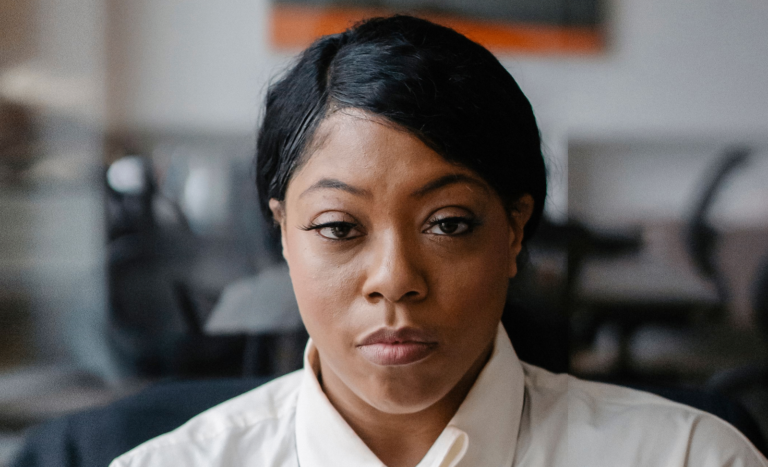
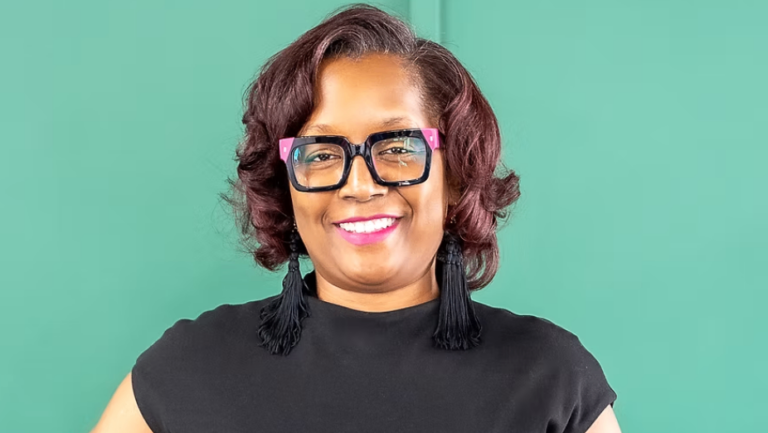
JaVonne Williams’ life took an unexpected turn in 2022 when she received a devastating diagnosis: stage three breast cancer. The news was a shock, but Williams faced her diagnosis with determination. She underwent an aggressive treatment plan, including a double mastectomy, chemotherapy, and radiation. Her strength and resilience paid off, and today, Williams proudly declares herself cancer-free.
However, Williams’ health journey didn’t end with her recovery. In a bold step forward, she decided to participate in a ten-year clinical trial designed to prevent cancer recurrence. This decision wasn’t made lightly, as Williams, like many Black Americans, carried the weight of historical mistrust in medical research.
“Me being an African American woman, I’ve heard the stories about trials from my ancestors, from the Tuskegee [study] and all of that,” Williams told WKMG News 6 ClickOrlando, her voice tinged with the echoes of a painful past. “So it already had a bad connotation on me to be a part because I never wanna be a specimen or a lab rat.”
The shadow of the infamous Tuskegee Syphilis Study, which unethically experimented on African American men for decades, continues to cast doubt and fear in many communities of color. This historical trauma has contributed to a significant exclusion of minorities in clinical trials, an issue that the medical community is now actively working to address.
For Williams, the turning point came through the trust she had built with her oncologist, Wassim Mchayleh, MD. When asked about what helped her overcome her initial reservations, Williams explained, “So with Dr. Mchayleh, I’ve already been with him three years. So immediately, as I’m going through the clinical trial, my trust became more and more and more because of us going and building our relationship.”
This relationship exemplifies the crucial role that healthcare providers play in bridging the gap between minority communities and clinical research. Dr. Mchayleh, serving as the medical director of breast oncology at the AdventHealth Cancer Institute, understands the fears and hesitations of his patients.
“They’re scared of failures,” Dr. Mchayleh acknowledged. “So this is where my role is to protect them. My role is to explain, not to pressure them, to let them take time, go talk to their families.” This patient-centered approach, focused on education and support rather than coercion, was instrumental in helping Williams feel comfortable with her decision to participate in the trial.
As Williams progressed through the clinical trial, her initial fears gave way to a growing sense of empowerment and purpose. She began to understand the vital importance of her participation, not just for her own health, but for the broader community of women like her.
“There’s such a need for [Black women] in these clinical trials,” Williams now passionately advocates. “They need to know what the medicine, how it responds to senior women, younger women, African American women, other type of women. We need that data. And if we don’t have people to participate, we can never collect it.”
Her transformation from a hesitant patient to a vocal advocate underscores the potential for change when barriers of mistrust are overcome through education, relationship-building, and transparent communication.
The importance of representative participation in clinical trials extends beyond just lip service. As Dr. Mchayleh explains, “Sometimes cancer biology is different in different ethnic groups. So you want to make sure, you know, every group is represented in the trial and to make sure there is no differences in efficacy or in toxicities, when you’re testing new treatments in cancer and particularly in breast cancer.”
In 2020, a staggering 75 percent of research participants were white, while only eight percent were African American, according to the FDA. This disparity can lead to gaps in understanding how treatments affect different populations, potentially leaving minority groups shut out of new medical advancements.
Williams’ story serves as a beacon of hope and a call to action. By sharing her experience, she hopes to inspire others in her community to consider participating in clinical trials. She understands that her involvement is not just about her own health, but about paving the way for better, more inclusive healthcare for future generations.
For Williams, the decision to participate in the clinical trial has become a source of pride and purpose. She sees herself as part of a larger movement, one that is working to ensure that all communities benefit equally from medical advancements. Her journey from cancer patient to clinical trial participant to advocate exemplifies the potential for personal growth and community impact that can come from engaging with medical research.


By subscribing, you consent to receive emails from BlackDoctor.com. You may unsubscribe at any time. Privacy Policy & Terms of Service.