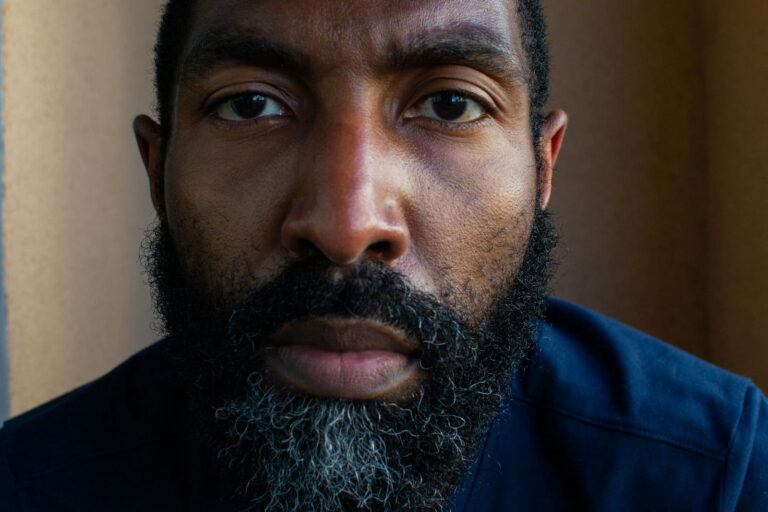
In a 24-hour news cycle fueled by push notifications and endless scrolling, many people are taking in alarming headlines from the moment they wake up until they fall asleep. It can feel productive to stay informed, even responsible. But how does this constant stream of distressing information quietly impact the body and mind?
If you have ever felt anxious, heavy, or emotionally drained after scrolling through the news, you are not imagining it. Your nervous system is responding to what it perceives as a constant stream of threats. Understanding what is happening beneath the surface can help you shift your habits without disconnecting from the world around you.
Learn about why you feel depressed, heavy, stressed, or fatigued when a constant stream of news headlines consumes you.
Modern life is not nervous system-friendly. What is supposed to be a tool for survival must now try to process a constant stream of alarming information, and that stream takes its toll.
The autonomic nervous system, which regulates involuntary physiological processes, has two key branches: the sympathetic nervous system, which activates your stress response, and the parasympathetic nervous system, which helps you rest, digest, and recover.
When you encounter something your brain perceives as a threat, like a headline about violence or crisis, your amygdala, the part of the brain responsible for detecting danger, sends a signal to your hypothalamus. This triggers the sympathetic nervous system, setting off a cascade of physiological changes. Your breathing becomes quicker and shallower. Your heart rate increases. Blood gets redirected away from digestion and toward your muscles so you can react quickly.
This process happens in seconds and is incredibly effective when you are facing a real, immediate threat, like a bear in the woods. But in the context of modern media, the “threats” are often distant, ongoing, and unresolved. Your brain does not always differentiate between reading about danger and experiencing it. As a result, repeated exposure to alarming headlines can keep your nervous system cycling through stress responses without ever completing the recovery phase.
Over time, this can create a baseline state that’s more anxious and reactive. You may find it harder to relax, more difficult to focus, or feel more overwhelmed. What you are experiencing is not weakness. It is a nervous system that has not been given enough opportunities to return to safety.
RELATED: Why Doomscrolling Feels Heavier for Black Users
The habit of continuously consuming negative, more affectionately known as doomscrolling, has a cumulative effect on mental health. Each headline adds another layer of stress, especially when there is no resolution or sense of control. Over time, this can lead to feelings of helplessness, anxiety, and emotional fatigue.
This impact can be even more pronounced when headlines frequently center on harm, injustice, or trauma involving people of color. Research and media analyses have shown that news coverage often disproportionately highlights violence and negative outcomes in communities of color. For readers who identify with these communities, this is not just information. It can feel personal, triggering, and deeply unsettling.
This repeated exposure can activate not only fear and anxiety, but also grief, anger, and a sense of vigilance that is hard to turn off. It can feel like bearing witness over and over again without relief or resolution. Over time, this can contribute to racialized stress and emotional fatigue, where the nervous system is not only responding to general threat, but to experiences tied to identity, history, and lived reality.
Naming this impact matters because it validates that the exhaustion many Black readers feel is not just about media consumption. It is about carrying the weight of stories that reflect real risks, real losses, and real experiences within our own communities.

When your brain perceives a threat, it activates the hypothalamic-pituitary-adrenal (HPA) axis, a communication system between your brain and body that regulates stress. This leads to the release of hormones like adrenaline and cortisol.
Adrenaline acts quickly. It sharpens your focus, increases your heart rate, and prepares your body for immediate action. Cortisol works more slowly but has longer-lasting effects. It helps regulate energy by increasing blood glucose levels and suppressing nonessential functions, such as digestion and the immune response.
In short bursts, this system is protective. Repeated activation without adequate recovery can dysregulate the body. Constant news exposure can lead to chronically elevated cortisol levels, which are associated with sleep disturbances, increased anxiety, brain fog, weight gain, and even long-term impacts on cardiovascular and immune health.
Another important piece is that your body does not get a clear signal that the “threat” has ended. Unlike a real-life stressful event, which has a beginning, middle, and end, the news cycle is continuous. Your nervous system stays in a loop, where stress hormones are repeatedly released without a full return to baseline. That lingering state of activation is what often leaves people feeling both wired and exhausted simultaneously.
Staying informed matters, but there’s a difference between intentional awareness and constant overstimulation.
Here are a few simple ways to start creating balance between prioritizing your physical and emotional wellness without disconnecting completely:
These small shifts can help signal to your nervous system that it is safe to come out of a stress response and return to a more regulated state.
The way you engage with the news is not just a habit. It is a relationship with your body, your mind, and your sense of safety in the world. It is easy to believe that staying constantly plugged in is the only way to remain aware or responsible, but your well-being matters too.
You deserve to feel informed without feeling overwhelmed. You deserve moments in your day where your body can soften, your breath can deepen, and your mind can rest. Paying attention to how the news makes you feel is not avoidance. It is a different kind of awareness.
When you begin to care for your nervous system with the same intention that you care about staying informed, something shifts. You become more grounded, more present, and ultimately more able to engage with the world in a way that is sustainable, compassionate, and clear.


By subscribing, you consent to receive emails from BlackDoctor.com. You may unsubscribe at any time. Privacy Policy & Terms of Service.