The screen is silent, washed in stark black and white—a visual metaphor for the binary world of “white coats” and Black lives. Then, the shift happens. As life enters the world, the frame bleeds into vibrant, “ebony” color.
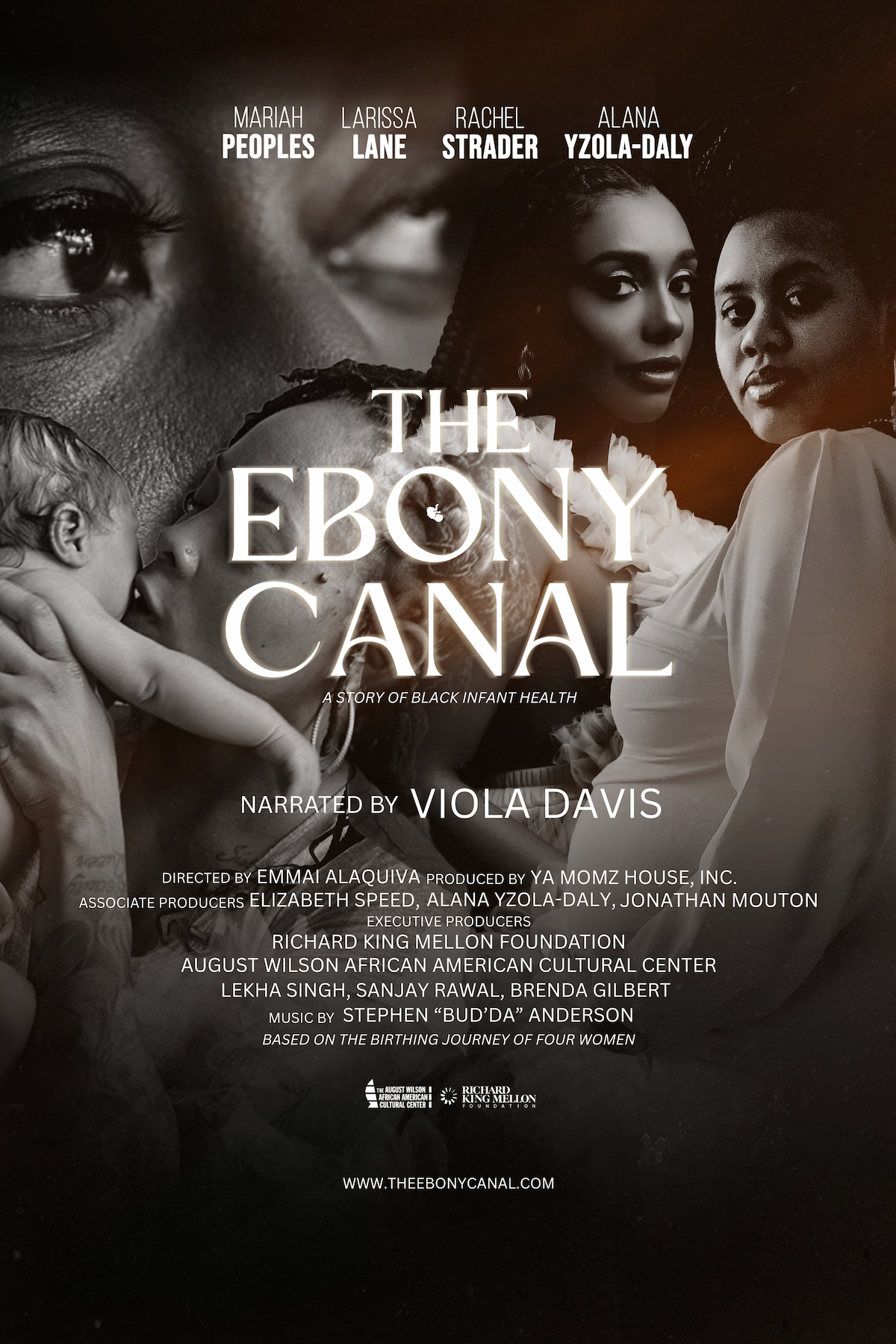
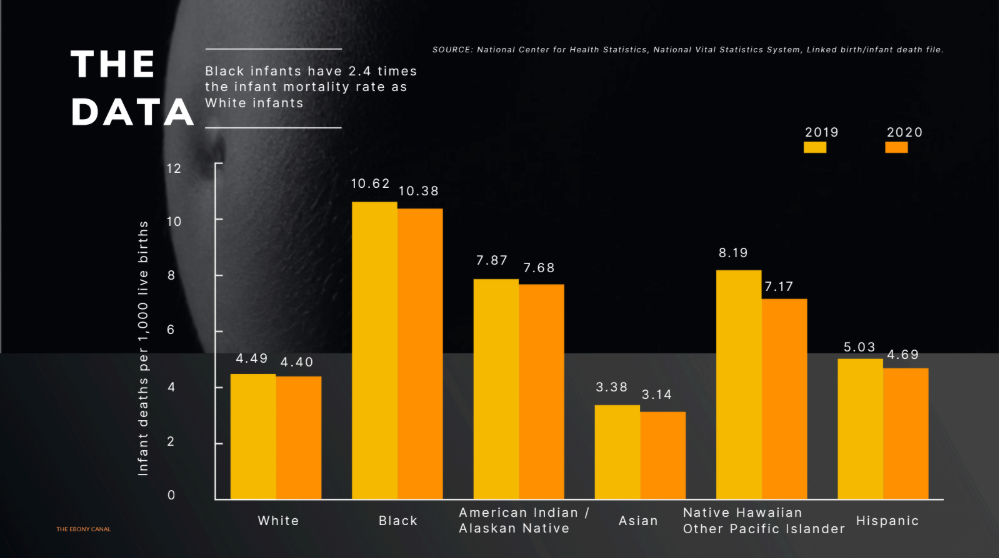
This is more than a stylistic choice. For Emmy-winning director and cinematic poet Emmai Alaquiva, it is a way to reclaim a story that has been confined to clinical margins for too long. His latest documentary, “The Ebony Canal“, arrives not as mere media but as a high-stakes intervention. Narrated by Viola Davis and backed by a coalition of advocates ranging from Elaine Welteroth to Vice President Kamala Harris, the film tackles a crisis that Alaquiva describes as an “undercurrent for centuries”: the reality that Black mothers in America are dying at three times the rate of their white counterparts.
For Alaquiva, the project began as a commission but quickly became a personal reckoning.
Through a blend of data-driven research and soul-stirring imagery, Alaquiva is moving beyond “seeing and saying” to a radical “doing,” aiming to dismantle systemic bias and save lives through the power of the lens.
“I wanted to specifically shine a light on infant mortality and infant health, which, of course, is founded in maternal health as well. It was a project that started out transactional but turned into a transformative story that I believe, just as a Black man, allows me to help protect Black women and Black communities through the cinematic arts,” Alaquiva tells BlackDoctor.
A lot of people put clinical information inside brochures and websites. However, Alaquiva and his team believed it would be more impactful to package this information in a cinematic form to really tell the story and amplify the issue.
“Black women have been a part of this undercurrent for centuries. Through film, we think we can garner a new wave of solution-driven practices that is going to help us eradicate this issue by the year 2030 or 2035,” he adds.
Through partnerships with Hear Her, Care for Moms, Charles Johnson’s 4Kira4Moms, and Elaine Welteroth’s birthFUND, along with work with Kimberly Seals Allers’ IRTH app and Mama Glow with Latham Thomas, Alaquiva is hopeful that we can flip the script on what it means to save Black and brown moms and their babies. He views this as a collaborative effort that requires voices from every corner of society.
“Sometimes we need those pom-poms of all sizes and shapes. We need small sparks, big sparks, and medium sparks. All of this to say that it’ll take all of us—not just celebrities or influencers, but doctors, nurses, doulas, midwives, and fathers—to really save babies so they can survive well beyond year one. It takes simple changes,” Alaquiva notes.
The director believes that with high preventability rates, the focus must remain on action rather than just recognition.
“We know this because 84 percent of this is preventable, according to the CDC. We’ve done the necessary research to know that we don’t do this for the accolades; we do this to amplify change. I always say that in New York on the subway, it says, ‘If you see something, say something.’ We don’t want to just say something; we want to do something. And that’s what we’re doing as we head into these years to eradicate this situation.”
For Alaquiva, the key is listening. He points to Serena Williams’ pregnancy journey as an example.
Despite her status and athletic prowess, Williams faced life-threatening complications after her concerns were dismissed—a stark reminder that wealth and fame do not provide immunity from systemic bias.
“She is a big-time, successful Black woman, but it didn’t even make a difference who she was or what she did,” he says. “There are so many things like implicit biases and systemic racism that have a total effect on the length of the telomeres of a Black woman and their babies.”
He stresses that the most vital tool in a medical professional’s kit isn’t always a piece of technology, but a willingness to hear the patient.
“Something as simple as listening is what we need,” he says. “There are so many Black women that just aren’t listened to. They know their bodies. If they notice there’s something wrong, it’s not always the doctor’s or medical professional’s job to say, ‘Oh, well, that’s just [this or that].’ There’s a difference between feelings and what’s in books. That’s the one call to action: to listen more to what women have to say. When you listen, a level of empathy happens, and those implicit biases go away. If we take the time to listen, we have the wherewithal to change this legacy-driven work.”
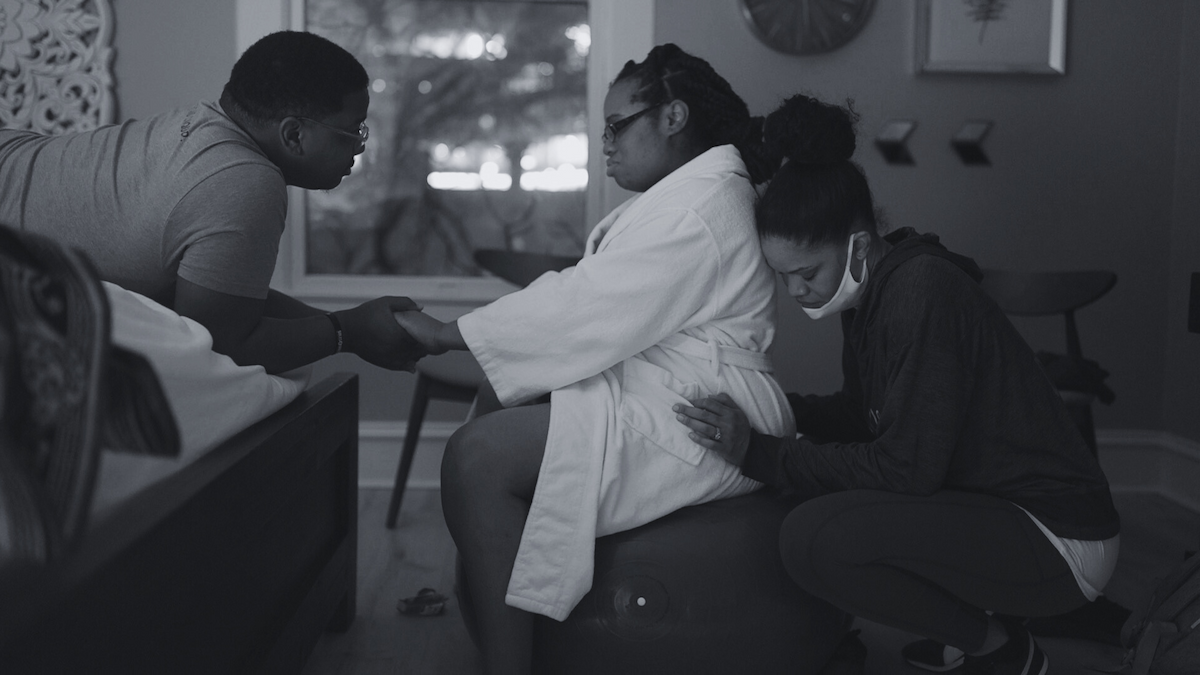
The film also doesn’t shy away from the emotional connection to the journeys of birth or the medical history that preceded them. Alaquiva points to the short window of time patients currently receive and the need for more comprehensive support systems.
“We understand there are high rates of diabetes and preeclampsia, but these are very simple things to manage and address in early situations. The average doctor’s time with a patient is only 15 minutes. That’s why midwives and doulas are so important; they can be champions when that professional is not in there,” he explains.
He advocates for a return to traditional birthing methods as a way to reclaim safety and health.
“We encourage individuals to understand how important midwifery is—it’s one of the oldest occupations in life. Before Western medicine, there were midwives who did most of the deliveries. We have to get back to those foundational practices from when we were okay. This film covers the hurt, but also examines the healing and encourages the hope that we can get to a better place in Western medicine,” Alaquiva notes.
As a father and husband, Alaquiva brings a unique male perspective and emphasizes the important role men can play in supporting the women in their lives.
“As a dad doing this film, it allowed me to look at the medical field differently. It was alarming how little research we could find initially,” he shares. “As a father to a 14-year-old daughter, I have to start thinking about this allyship for when she decides to have a child. I wanted to make sure I told this story so that generations from now, the subject matter is still relevant.”
This mission became even more personal as he uncovered his own family’s history of birth trauma and silent complications.
He shares that his mother faced complications when he was born, but she decided not to tell anyone. Later, he found out from his wife that she was a twin, but her sibling did not survive.
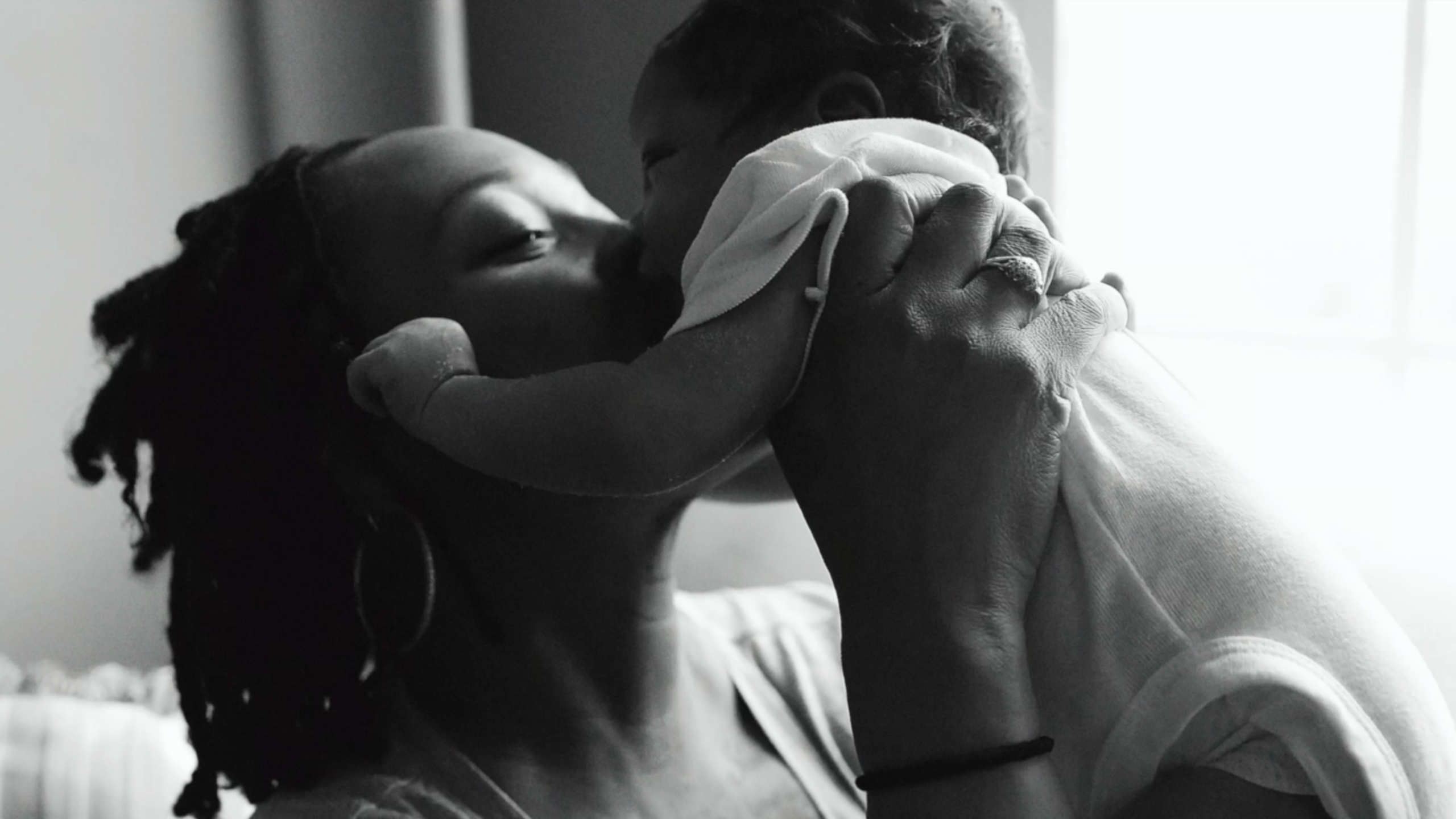
“This blew me away. Why isn’t this subject at the forefront? I had to marry the clinical data with cultural relevance. When you watch the film, I have women floating in the water because we are all born in water. The film is in black and white because we are Black people in white spaces—surrounded by white coats. I don’t turn the film into color until the vibrancy of the birth of the children. It’s crucial that we control our narrative,” he explains.
Because of this vision, EGOT winner Viola Davis got involved. After seeing only a three-minute trailer, she said, “Move everything off my plate, I want to do this project.” Her reaction shows that this is more than just a movie—it is a movement.
That dedication helped the film earn several awards, including five Telly Awards, three Webby Awards, and two Emmys. Most recently, it received the NAACP Image Award for Outstanding Documentary. This was the first time in the award’s 57-year history that a maternal health documentary won.
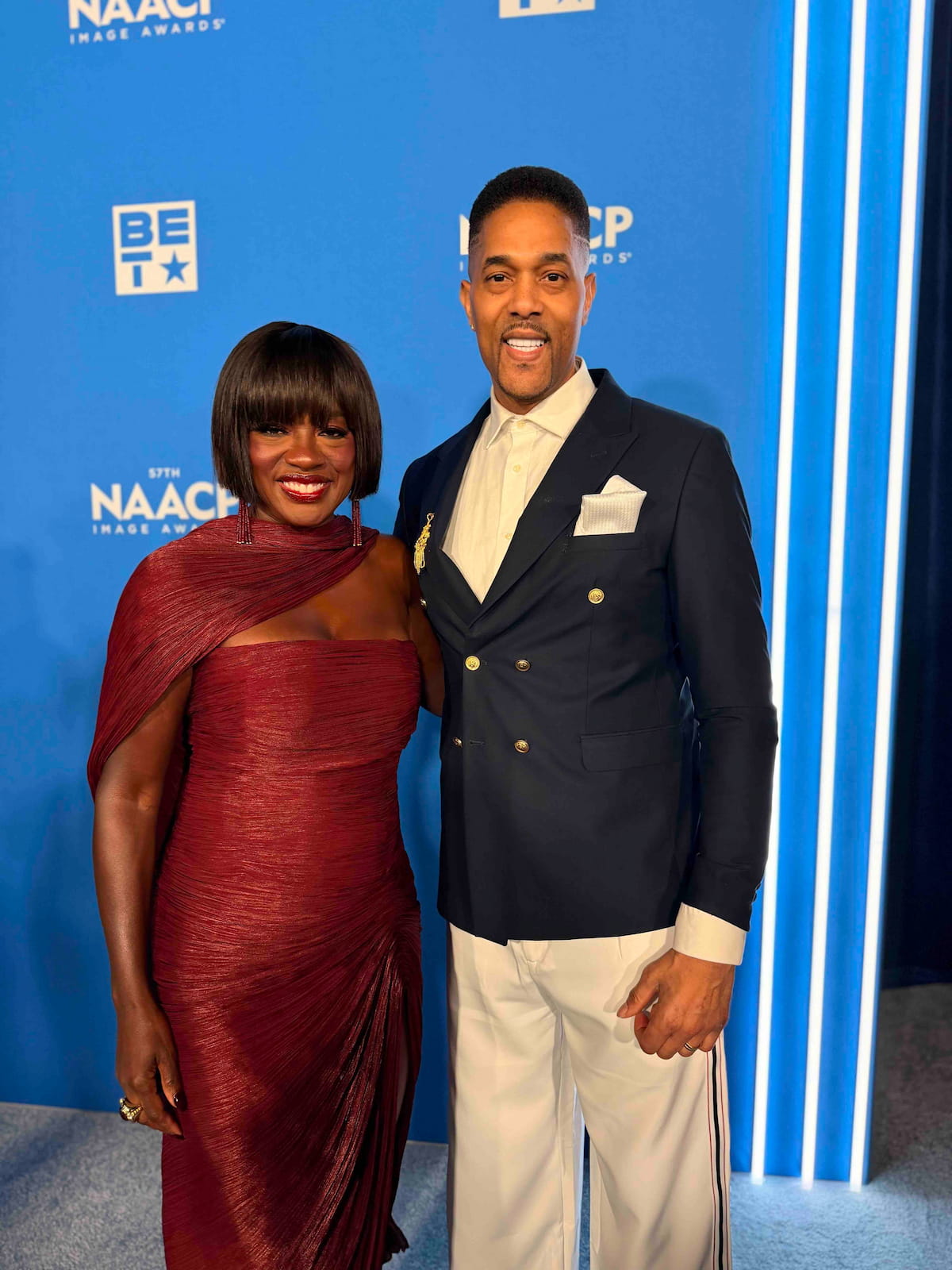
Alaquiva reflects on his journey, from being homeless on the streets of Pittsburgh to achieving this historic milestone.
“…It speaks volumes. It’s about focusing—not just focusing the camera, but focusing on how we change the landscape of stories. Social impact has always been my thing,” Alaquiva shares.
He notes that this commitment to change has been a throughline in all of his creative endeavors.
“Whether it was the Black Lives Matter PSA about the deaf and hard of hearing that went viral, or my eight-year-old who was featured on Good Morning America for ‘Optic Voices‘—the first augmented reality interactive photography exhibit. When you scanned a mother’s face with your phone, it turned into her son’s baby picture. All of that led to The Ebony Canal. To have collaboration with people like Viola Davis, Keke Palmer, and Vice President Harris—it’s an important subject that a lot of directors would never touch. People were looking at me sideways, asking why I was doing this, but that was my intersection. I’m going to tell this story in a very different way to make people pay attention,” he adds.
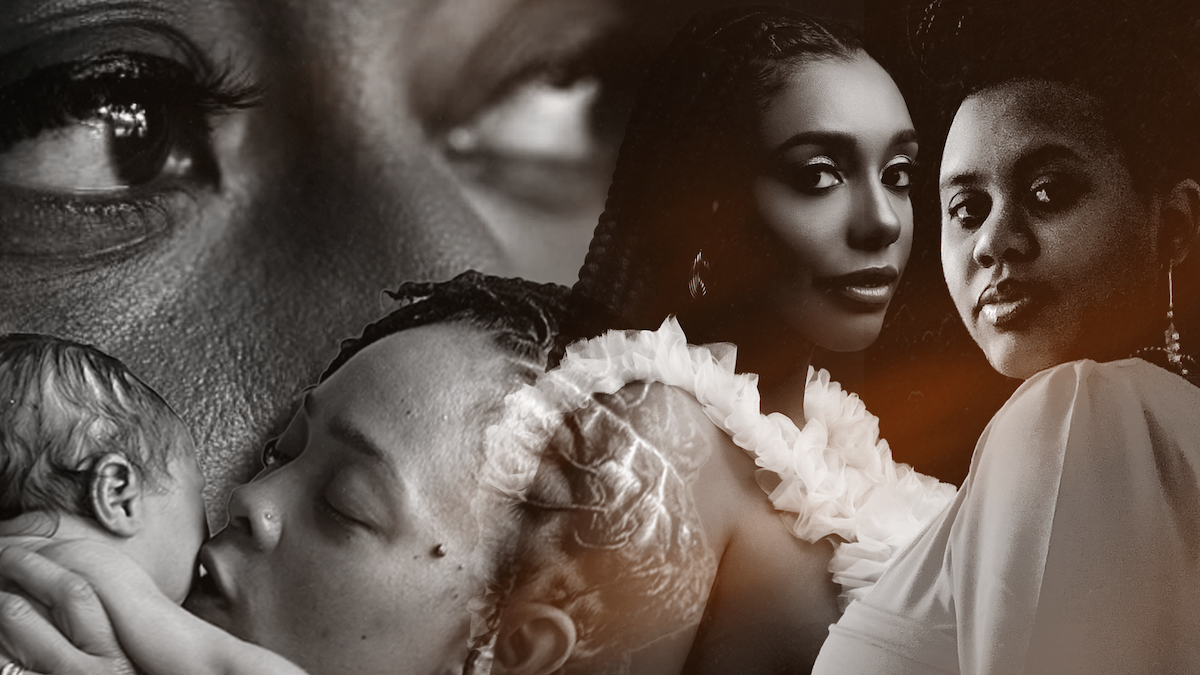
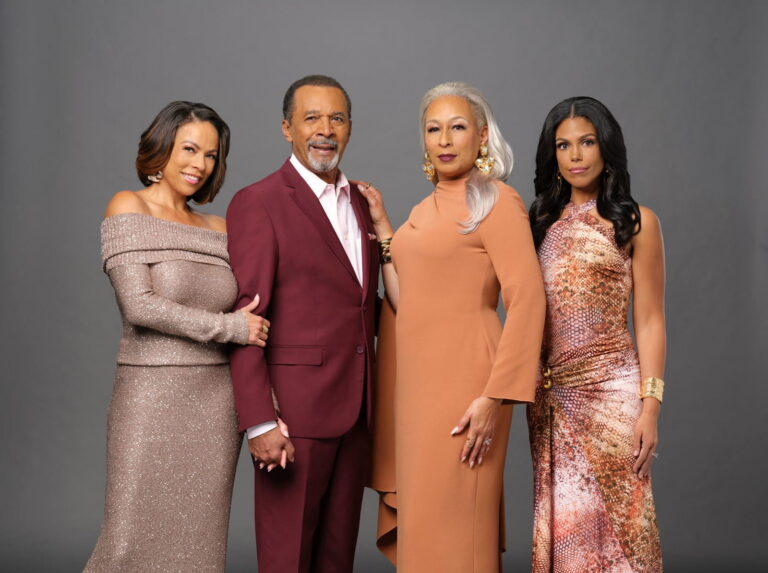
The film is based on the birthing journeys of four women, inspired by Nina Simone’s “Four Women“. These women—Larissa Lane, Mariah Peoples, Alana Yzola-Daly, and Rachel Strader—came from across the country and showed extreme courage in their transparency. The film also interviews experts and institutions, including Dr. Margaret Larkins-Pettigrew and Dr. Joia C. Perry, while confronting dark historical roots.
“It digs into how we got here. It talks about Dr. James Marion Sims, who worked on three Black women to do the foundational work of gynecology without anesthesia. We talk about the hurt, the implicit biases, and the racism, but also how we heal,” he observes.
Alaquiva wants the film to serve as a catalyst for a global conversation that transcends the theater.
“The film ends with a very hopeful situation: the birth of babies. You leave with a call to action to step up, whether you are an individual or an outlet…This movie has been screening around the world—Africa, France, [and] London. This is a story everybody needs to watch and bring to their city, school, or organization,” he notes.
As we acknowledge Black Maternal Health Week, Alaquiva’s hope is that this film will bring awareness to the global crisis of Black and brown women and babies dying at unacceptable rates. He ends with a plea to remember those who have been lost.
“We have to start saving lives. Dr. Chaniece Wallace should still be here. She was a doctor who lost her life giving birth. Zuri should still be here—that’s Larissa Lane’s son, who was only here for 48 hours. The whole call to action is to save as many lives as we possibly can,” he concludes.

By subscribing, you consent to receive emails from BlackDoctor.com. You may unsubscribe at any time. Privacy Policy & Terms of Service.