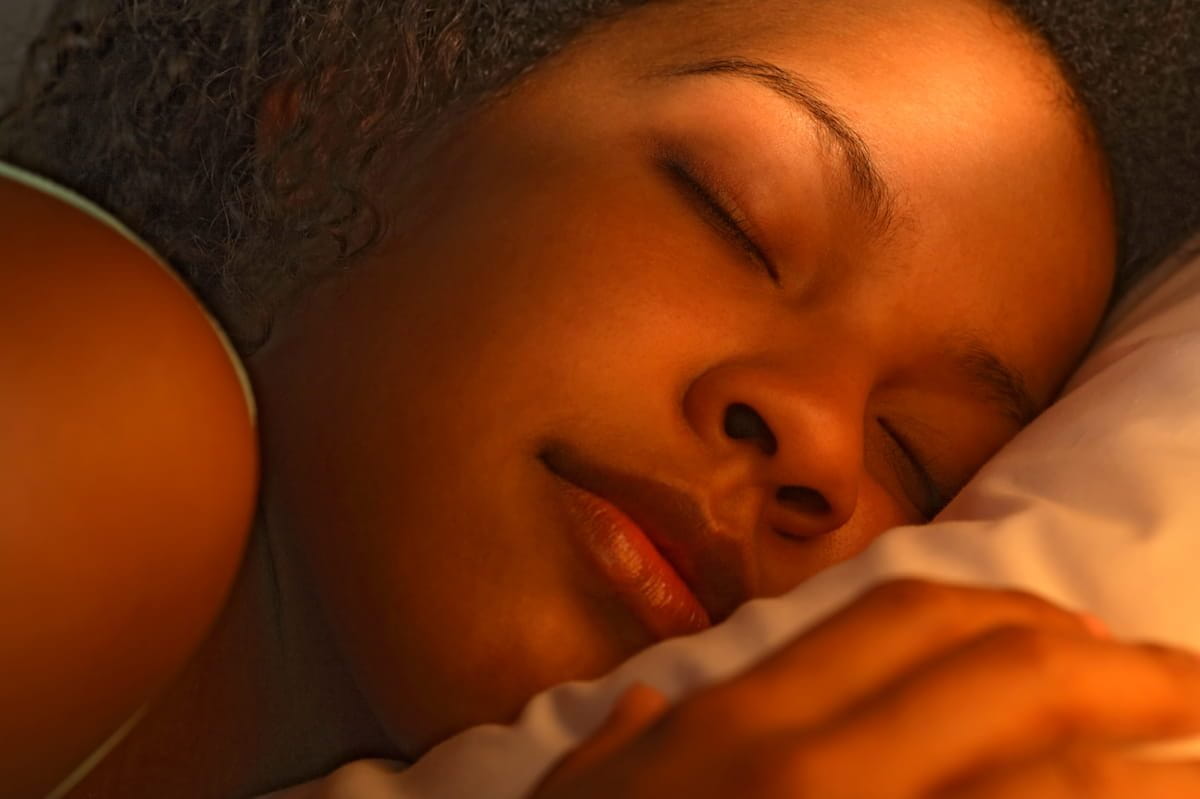
We have all been there. You have an amazing night’s sleep, hit your goal of seven to nine hours, and still wake up feeling groggy. Even when you take days off and prioritize rest, there are days when it feels like you just can’t shake the exhaustion.
You might struggle with trying to fall asleep early, or maybe you’re an aspiring morning person who, for months, tried and just couldn’t do the 6 am sunrise life.
The problem may not be your busy schedule or laziness: it could be a lack of alignment with your chronotype.
Our bodies operate on internal biological clocks known as chronotypes that influence when we feel most alert, productive, and ready for sleep. Take a deep dive into how understanding your chronotype can transform sleep quality, daily energy, and overall health.
RELATED: Want Better Sleep? Try the 7:1 Sleep Rule
All humans just aren’t made the same, and thank goodness for that. Some people pop out of bed at sunrise ready to conquer the day, while others don’t hit their creative stride until long after the sun goes down. This difference isn’t just personality or habit. It’s biology.
Chronotypes refer to the natural rhythms that influence when our bodies prefer to sleep, wake, and be most alert. Scientists who study Circadian Rhythm describe it as the internal clock that regulates everything from sleep cycles and hormone release to digestion and body temperature. Your chronotype is essentially the personal schedule your body would follow if you didn’t have alarms, work schedules, or late-night scrolling interfering.
Humans likely developed different chronotypes for practical reasons. Those who study human history suggest that variation in sleep timing may have helped ancient communities stay safer. If some people naturally stayed up later while others woke earlier, someone was almost always alert to watch for threats.
Genetics also plays a major role. Research shows that certain clock genes influence whether someone leans toward being an early bird, a night owl, or somewhere in between. Age matters too. Teenagers and young adults often need late mornings and bedtimes, while many people naturally become earlier risers as they get older.
Understanding your chronotype can be a powerful tool for improving sleep, energy, and productivity. Instead of forcing yourself into a one-size-fits-all routine, working with your body’s natural rhythm can make daily life feel easier.
When you align demanding tasks, workouts, meals, and wind-down routines with your body’s natural timing, sleep tends to improve, and energy becomes more stable. In a culture that often glorifies waking up at 5 a.m., learning your chronotype is a reminder that productivity is less about early mornings and more about working smarter with the biology you have.
Sleep researchers often group chronotypes into four easy-to-understand categories inspired by animals: bears, lions, wolves, and dolphins. These labels help translate complex circadian biology into patterns people can recognize in their daily lives.
Bears: This group is the majority, making up about 55 percent of people. Their sleep-wake rhythm tends to follow the natural cycle of the sun, meaning they usually wake up with daylight and start to feel tired in the evening. Bears often experience their best energy and focus in the late morning through early afternoon, with a natural dip in energy mid-afternoon. Because most traditional work and school schedules mirror this rhythm, bears often find it easier to fit into conventional routines.
Lions: Meet your classic early risers. They wake up naturally very early, often feeling alert and motivated before the rest of the world gets moving. Lions tend to do their best thinking and most productive work in the morning, but their energy can drop by late afternoon or evening. They’re usually ready for bed earlier than most people and may struggle with late-night social plans or work schedules that stretch too far into the evening.
Wolves: If you thrive at night, this chronotype is for you. Wolves often feel groggy early in the morning and may struggle with traditional early start times. However, their alertness and creativity typically ramp up later in the day, experiencing peak productivity in the late afternoon or evening. Wolves may also find that their most creative ideas come late at night, which can make early morning obligations feel especially challenging.
Dolphins: Much like dolphins in the wild that rest lightly to stay aware of their surroundings, people with this chronotype tend to have more fragmented sleep and may struggle with insomnia or restless nights. Dolphins often feel alert at odd times of day and may experience fluctuating energy levels. Because their sleep can be more sensitive to stress, light, and noise, establishing consistent sleep routines and calming nighttime habits can make a big difference in how rested they feel.
Which one sounds like you? I challenge you to spend the next week or so building extra awareness of how you feel throughout the day. As the sun sets, turn down the lights and put away your phone. When do you naturally get tired?
How do mornings feel? Try waking up an hour earlier or an hour later than usual. What leaves you feeling more rested?
Write down times when you have an energetic or creative burst. Do these happen more frequently at night? In the morning? Let this inspire you to get to know yourself before deciding which chronotype resonates best with you.
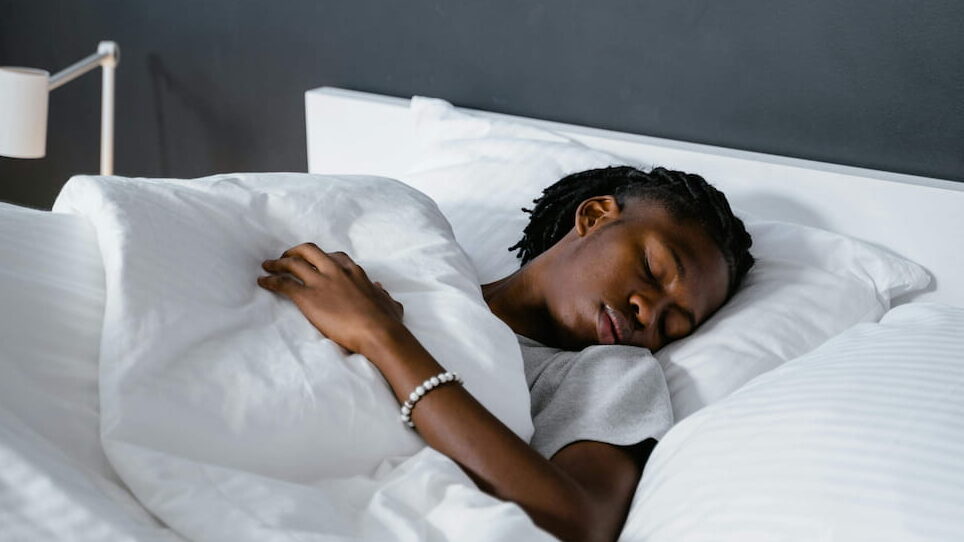
It’s highly likely that, as some of you notice your body’s natural rhythms over the next few days, one of these will align with who you are, but not with the life you live. The reality is that in America, a large part of our lives is dedicated to work, and in this economy, you’re going to take the best job you can get, no matter what time you have to get up in the morning.
Other factors like raising young children, financial stressors, and attempts to maintain a healthy social life can also alter our ability to align with our chronotype. You might be tired after work, but if it’s time for Friday happy hour, you can (and should!) still go.
All of these factors can affect the Black community disproportionately. Our community is full of essential workers who work highly irregular and long hours. Many of us take care of family members, both young and old. When your schedule is filled to the brim, trying to sync your life with your chronotype might seem impossible.
The goal is for you to spend some time focusing on yourself and what your body craves. Let’s see how you might inspire your self-care and wellness journey based on your chronotype.
There is so much we can learn about ourselves by understanding our chronotype. If your life schedule can’t align with your chronotype, that’s perfectly fine! Let’s see what you can do to boost your energy, get better sleep, and have more productive days inspired by your chronotype.
Protect your energy: Stress and overstimulation can easily disrupt dolphin sleep. Limit late-night screens, reduce caffeine later in the day, and build small relaxation rituals into your routine. Protecting your nervous system during the day often leads to better sleep at night.


By subscribing, you consent to receive emails from BlackDoctor.com. You may unsubscribe at any time. Privacy Policy & Terms of Service.