When most people think about blood clots, they usually imagine the legs, heart, or lungs. And while those are the most common places clots develop, blood clots can actually form in some surprisingly strange parts of the body—sometimes causing symptoms so unusual that people don’t realize something serious is happening.
Blood clots occur when blood thickens and clumps together. In some situations, that clot can block blood flow to vital organs or tissues, turning into a life-threatening emergency. According to the Centers for Disease Control and Prevention (CDC), as many as 900,000 Americans experience dangerous blood clots each year.
Here are some of the weirdest—and often overlooked—places blood clots can form.
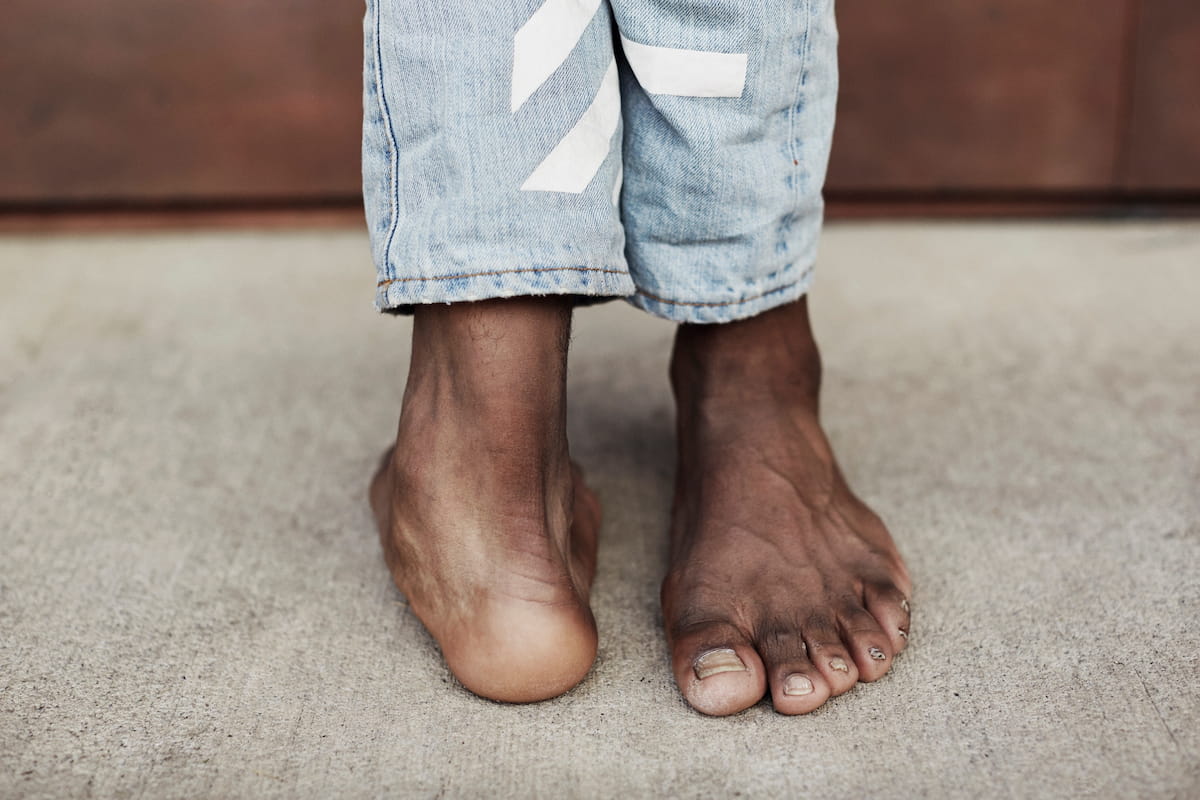
Yes, blood clots can develop in the tiny arteries supplying blood to your fingers or toes. These are sometimes called digital artery clots.
Because the blood vessels are so small, even a tiny clot can dramatically reduce circulation. In severe cases, tissue damage can occur if blood flow isn’t restored quickly.
Sometimes people mistake the symptoms for poor circulation or simply “sleeping wrong” on a limb.
One of the strangest places for a blood clot is in the retina—the light-sensitive tissue at the back of the eye.
This condition is called a retinal vein occlusion and can suddenly affect vision.
Many people wake up noticing vision changes without pain, making it easy to dismiss at first.
Eye clots are considered medical emergencies because delayed treatment can lead to permanent vision damage.
Blood clots can form in the arteries or veins supplying the intestines. This is known as mesenteric ischemia, and it can become deadly quickly.
One of the oddest clues is intense abdominal pain with very little tenderness when touched.
If the intestines lose blood supply for too long, tissue can begin to die. This condition often requires emergency surgery.
People with heart disease, irregular heartbeat (especially atrial fibrillation), clotting disorders, or recent surgeries are at higher risk.
Most people know about strokes caused by blocked arteries, but blood clots can also form in the veins that drain blood from the brain.
This rare condition is called cerebral venous sinus thrombosis (CVST).
Because the symptoms can mimic migraines or stress, diagnosis is sometimes delayed.
Though rare, this type of clot has gained more public awareness in recent years.
Blood clots aren’t just a “leg problem.” They can also develop in the veins of the upper body, particularly near the shoulder or under the collarbone.
This condition is called upper extremity deep vein thrombosis.
Athletes, weightlifters, and people who perform repetitive overhead motions can sometimes develop this type of clot due to compressed blood vessels.
Clots in the arm can still travel to the lungs and become dangerous.
Blood clots can form in the veins draining the kidneys, leading to something called renal vein thrombosis.
Some people have no symptoms at all until kidney damage begins to occur.
Because the kidneys filter blood constantly, impaired circulation can create serious complications.
Though uncommon, blood clots can form in veins within the penis, causing a condition known as penile Mondor’s disease.
The condition can be alarming, but many cases improve with rest and anti-inflammatory treatment.
Possible triggers include:
Because of embarrassment, many men delay seeking medical attention.
Blood clots can also block veins leaving the liver, causing a rare disorder called Budd-Chiari syndrome.
The condition can develop suddenly or slowly over time.
Without treatment, liver damage can progress rapidly.
Blood clots can develop for many reasons, including:
In some cases, people never realize they’re at risk until symptoms appear.
Regardless of where a blood clot forms, certain symptoms deserve immediate medical attention:
Quick treatment can save organs—and lives.
You can lower your risk of dangerous blood clots by:
The body can develop clots in places most people would never expect. That’s why listening to unusual symptoms—and not ignoring sudden changes—can make all the difference.


By subscribing, you consent to receive emails from BlackDoctor.com. You may unsubscribe at any time. Privacy Policy & Terms of Service.