Hydration should be simple. But today, it’s anything but. From electrolyte packets to sports drinks to influencer-backed hydration routines, the message has become unclear: is water enough, or do you need more? The truth is, your body needs both water and electrolytes—but not always in equal amounts, and not always in the way products claim.
According to the Cleveland Clinic, proper hydration depends on maintaining a balance between fluids and electrolytes—minerals such as sodium, potassium, and magnesium that regulate nerve function, muscle contractions, and fluid levels.
Understanding when you need water, when you need electrolytes, and when you need both is key to avoiding confusion—and unnecessary spending.
RELATED: Electrolytes 101: The Hidden Risks of Over-Hydrating
Electrolytes are essential minerals found in your body fluids. The most important include:
These minerals help:
According to research on hydration and fluid balance, electrolytes work with water, not instead of it. Think of it this way:
Without electrolytes, drinking large amounts of water alone can sometimes dilute essential minerals—especially in extreme cases.
RELATED: Do You Really Need Alkaline, Electrolyte, or Flavored Water?
Here’s the part that often gets lost in the marketing: for most people, most of the time, water is enough. If you’re:
Your body typically maintains electrolyte balance through normal eating and drinking. The Centers for Disease Control and Prevention emphasizes that plain water is the best way to stay hydrated for everyday activities. That’s because:
In these situations, electrolyte drinks are often unnecessary.
There are times when electrolytes matter more—and this is where they can be beneficial. You may need electrolytes if you are:
During these conditions, your body loses both water and electrolytes—particularly sodium. In these cases, replenishing both is important.
For example:
This is when electrolyte drinks or solutions can help restore balance more effectively than water alone.
The hydration industry has turned a basic biological need into a multi-billion-dollar market, often blurring the line between necessity and marketing.
Many electrolyte products are marketed as:
But the science tells a more nuanced story.
Most people consuming electrolyte drinks daily—without heavy activity or illness—are:
According to the American Heart Association, excess sodium intake is linked to high blood pressure, a condition that disproportionately affects Black communities. So while electrolytes are essential, more is not always better.

Let’s clear up some of the biggest misconceptions.
Reality: Most people get enough electrolytes from food.
Unless you’re losing large amounts of water through sweating or illness, water is sufficient.
Reality: Urine color is a general guide—not a perfect measure.
Overhydration can dilute electrolytes, which can be harmful in extreme cases.
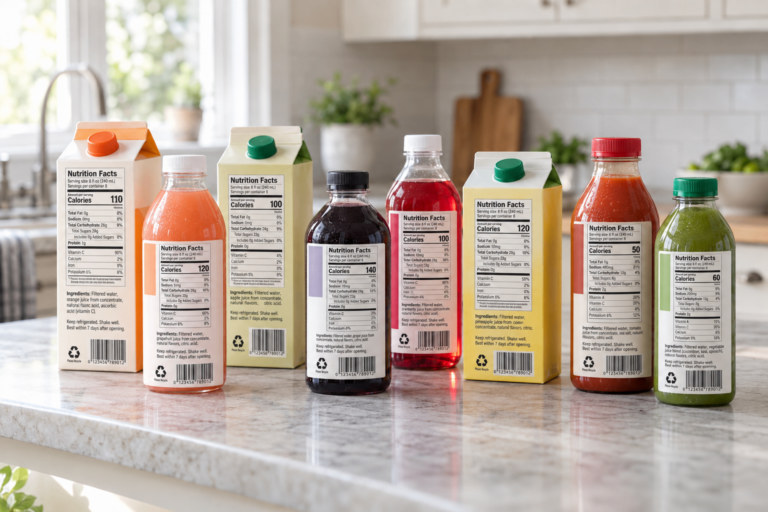
Reality: Many sports drinks contain:
They are designed for athletes—not everyday hydration.
Reality: Drinking excessive water without electrolytes can lead to an imbalance.
Balance—not excess—is the goal.
Hydration isn’t about choosing sides—it’s about balance. Your body is constantly working to maintain equilibrium between:
When everything is balanced, you feel:
When it’s off, you may feel:
The key is learning to recognize what your body actually needs—not what marketing tells you.
Instead of overcomplicating hydration, focus on simple, effective habits:
Electrolyte-rich foods include:
Food is often the most natural—and balanced—source.
This conversation around hydration hits differently in Black communities—not because our bodies are fundamentally different, but because our environments, stress exposures, and health risks are different. Black Americans are disproportionately affected by chronic conditions that are directly influenced by hydration, electrolyte balance, and diet.
According to the Centers for Disease Control and Prevention, Black adults are significantly more likely to have high blood pressure than other racial groups. In fact, hypertension tends to develop earlier and be more severe, making everyday choices like sodium intake and hydration especially important.
Black communities are also at higher risk for:
These conditions are all closely tied to fluid balance, sodium levels, and overall cardiovascular strain. At the same time, structural factors shape how hydration shows up in daily life. In many communities, people face:
According to the Environmental Protection Agency, urban areas—where many Black communities are concentrated—can experience higher temperatures due to infrastructure and limited green space. This increases the risk of dehydration and heat-related illness. So when we talk about hydration, we’re not just talking about water bottles and electrolyte packets—we’re talking about how environment, access, and health intersect.


By subscribing, you consent to receive emails from BlackDoctor.com. You may unsubscribe at any time. Privacy Policy & Terms of Service.